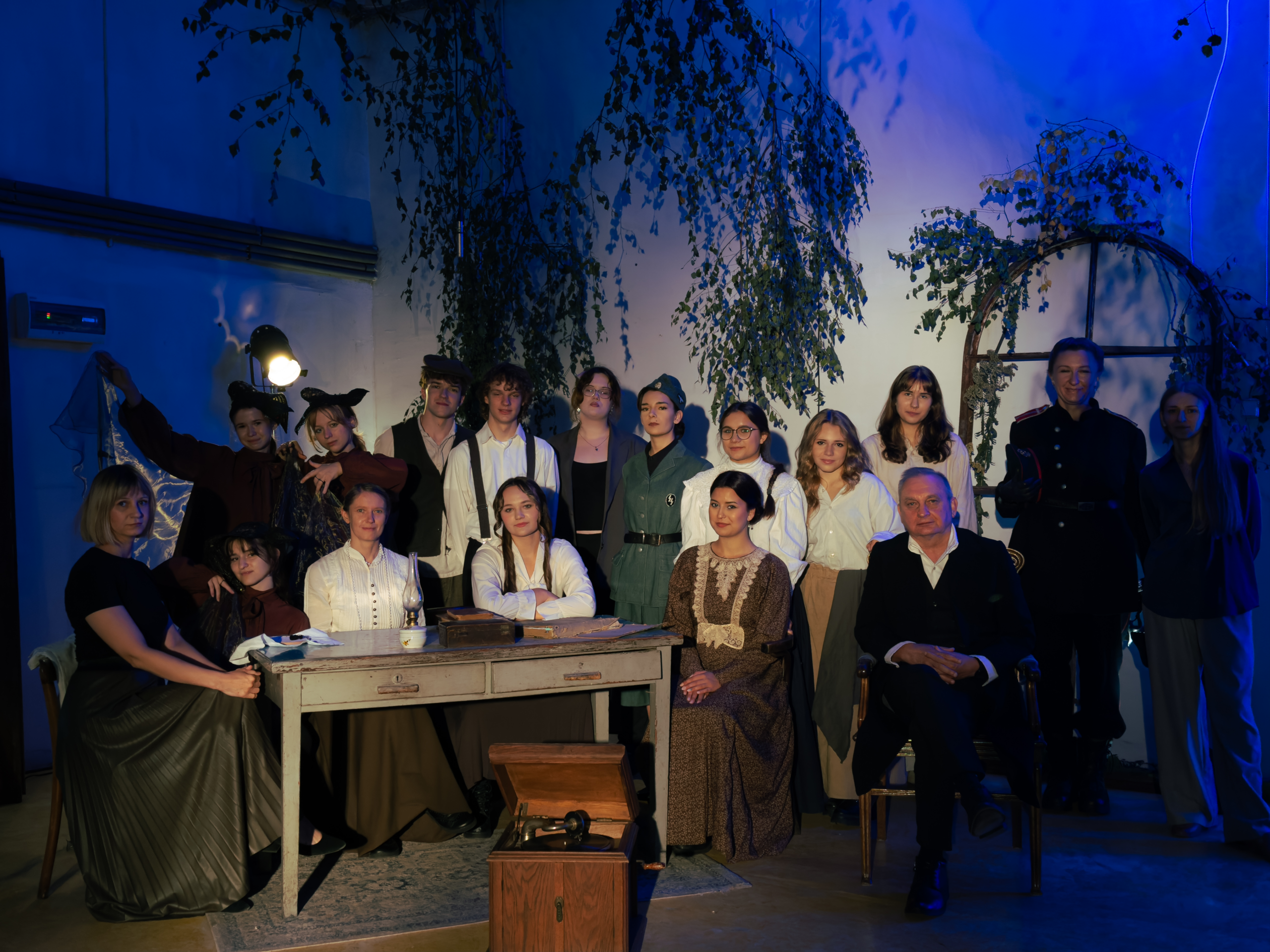
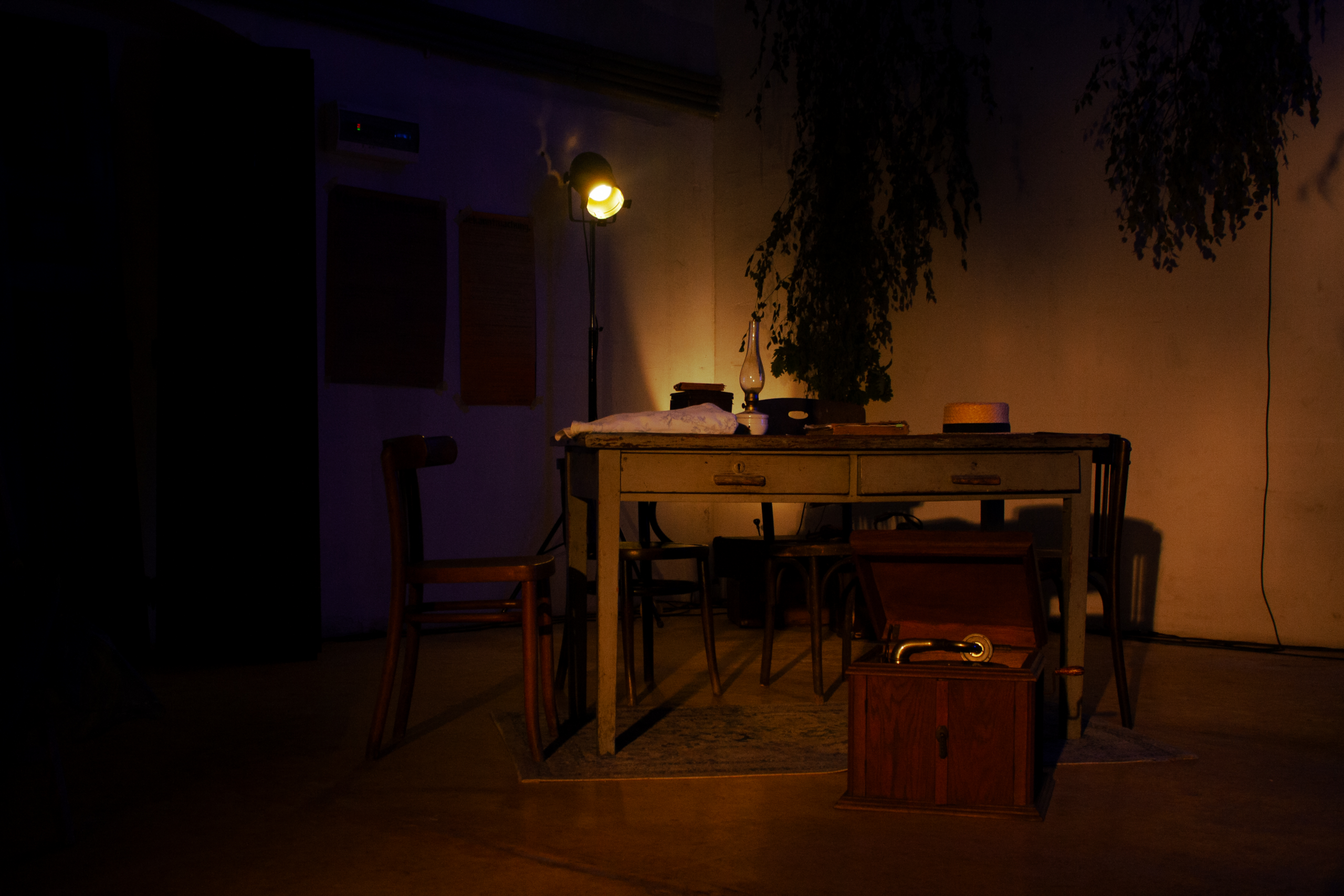
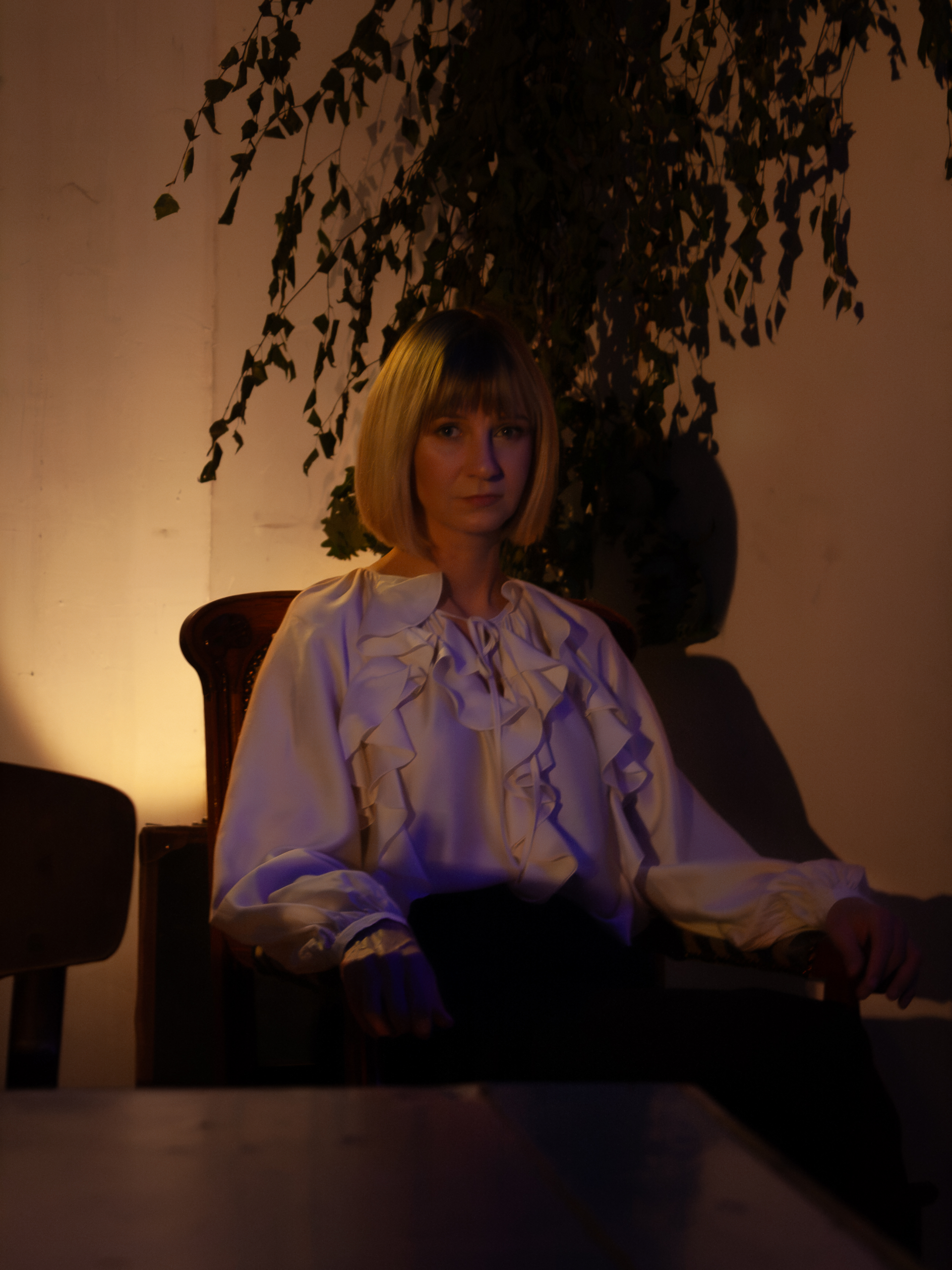
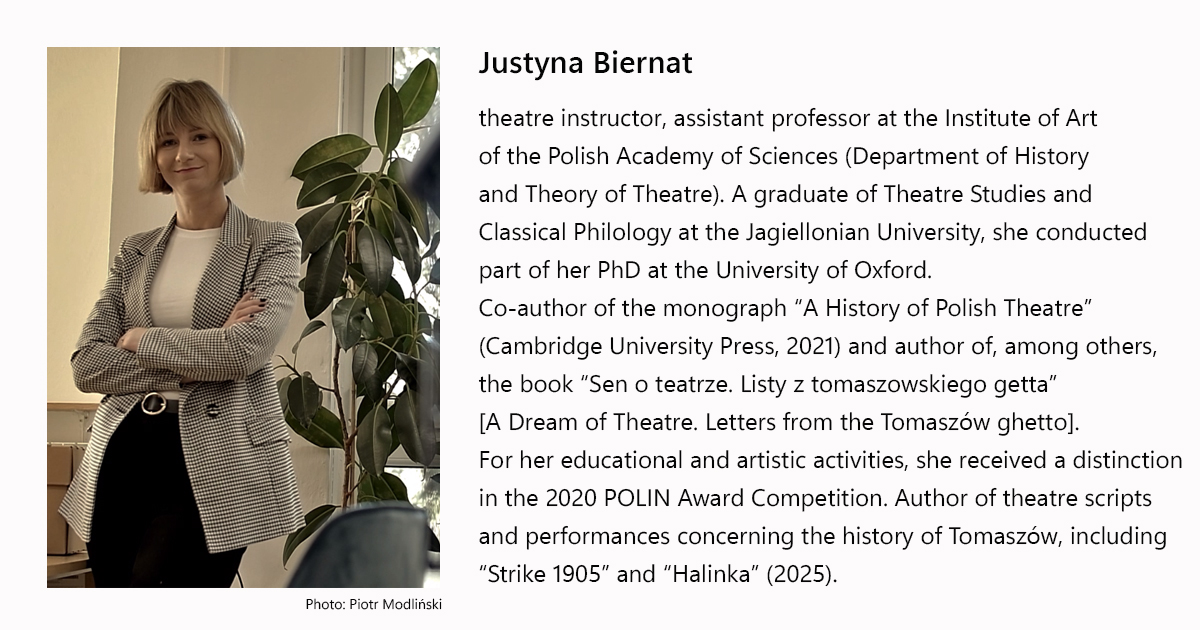
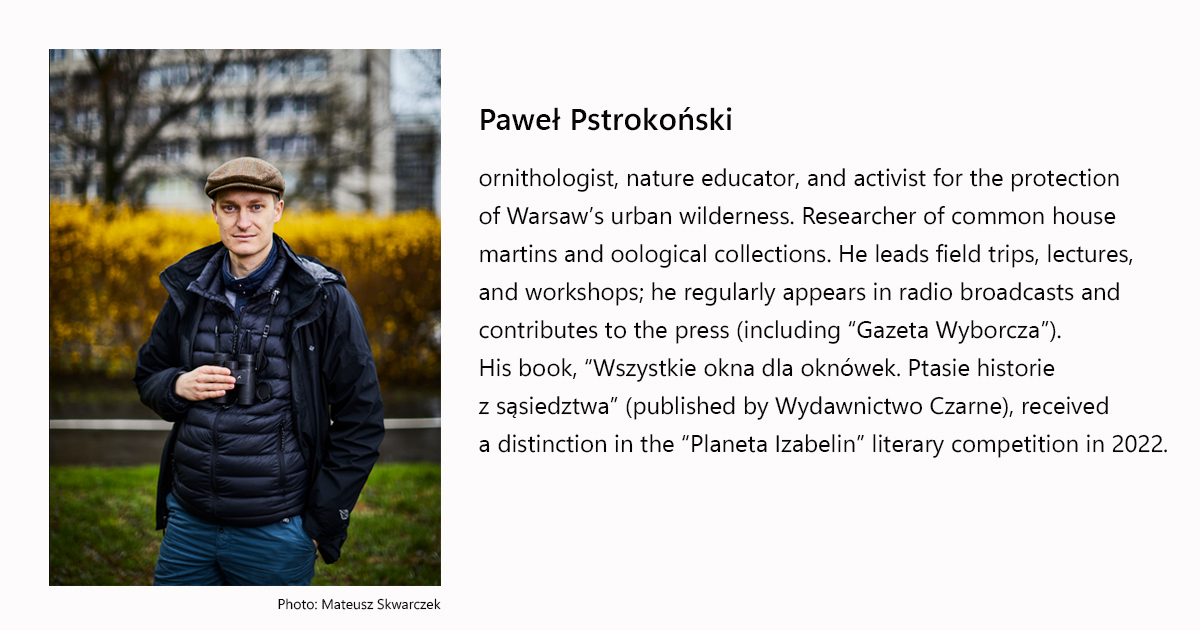
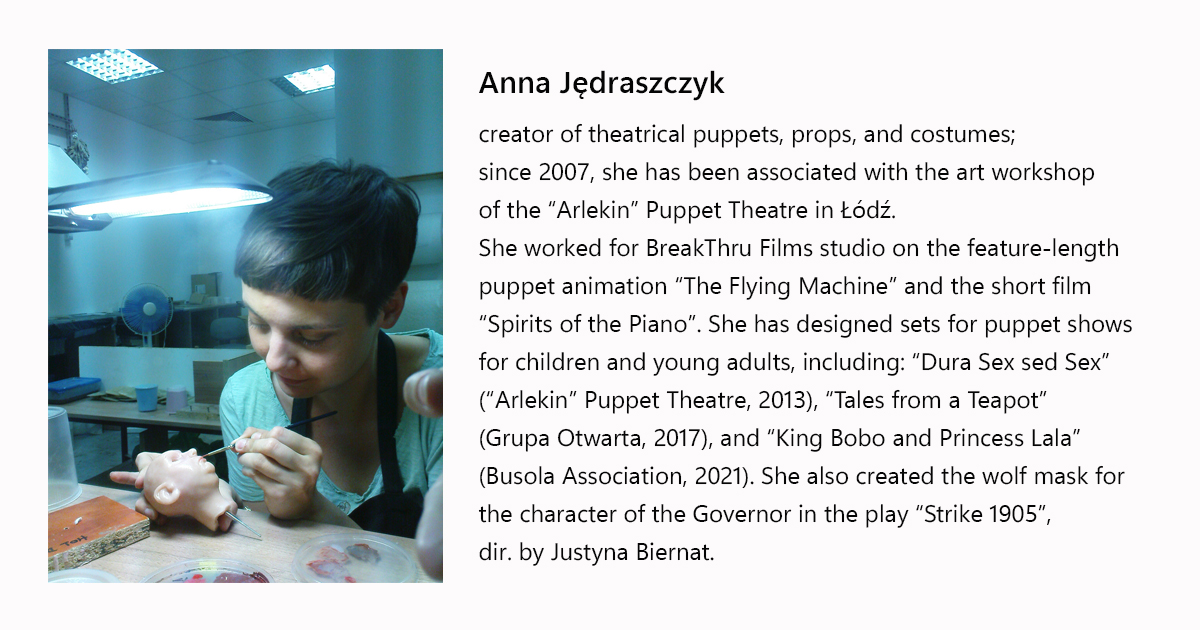
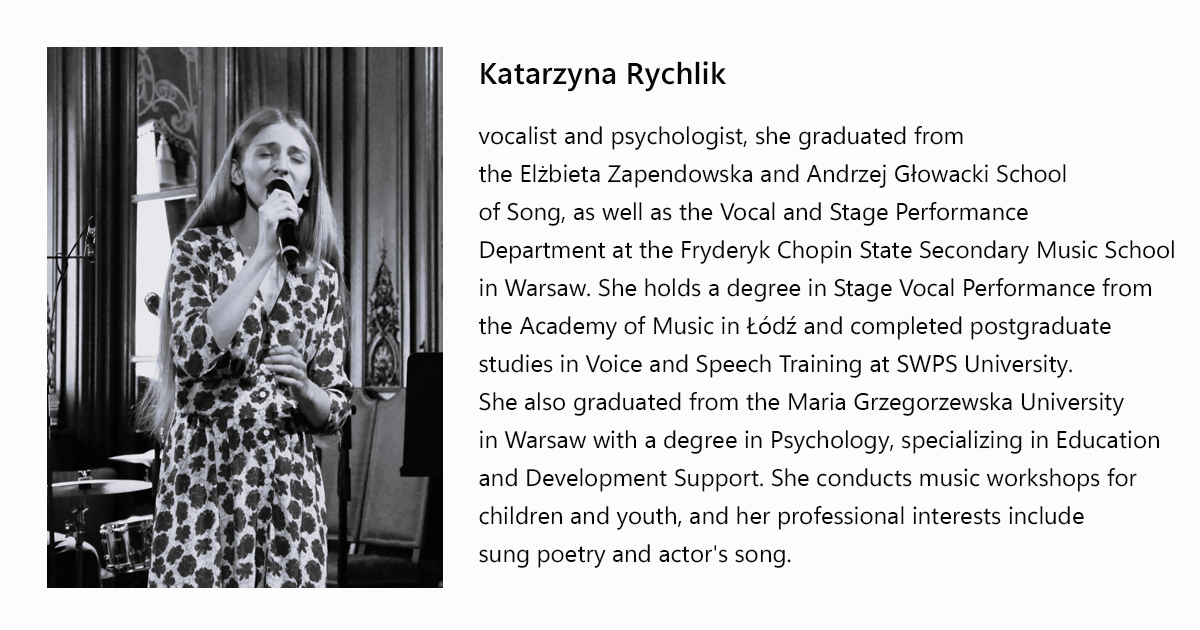
The performance “Frieda, Mother of Swifts” by the Spaces of Memory Foundation premiered on September 12, 2026 in the industrial spaces of Tomaszów Mazowiecki at 44 Konstytucji 3 Maja Street. An expert team worked on the production: Justyna Biernat (script and direction), Katarzyna Rychlik (vocal coaching), Anna Jędraszczyk (costume design), Joanna Królikowska (coordination and theatrological consultation), Paweł Pstrokoński (ornithological consultation).
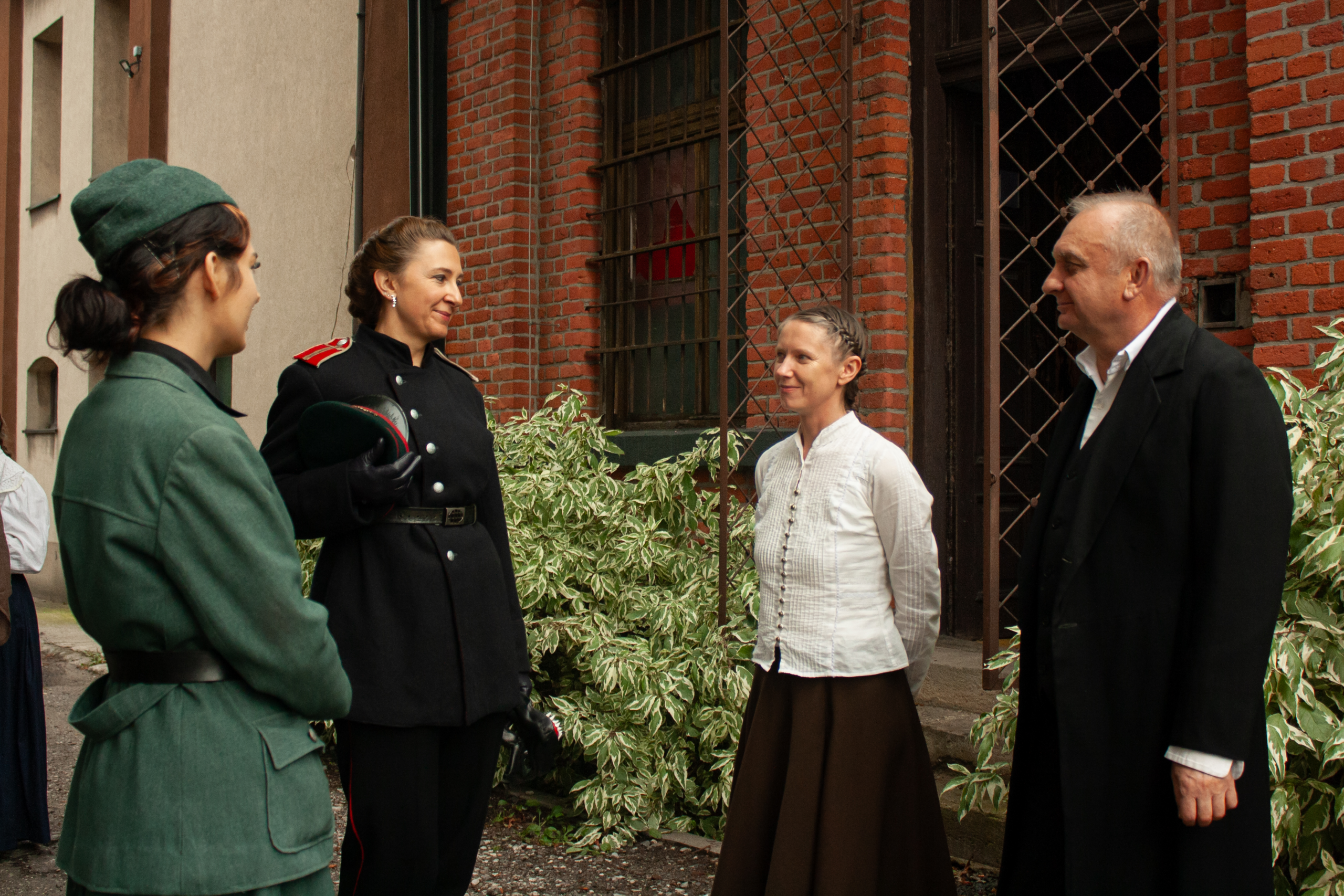
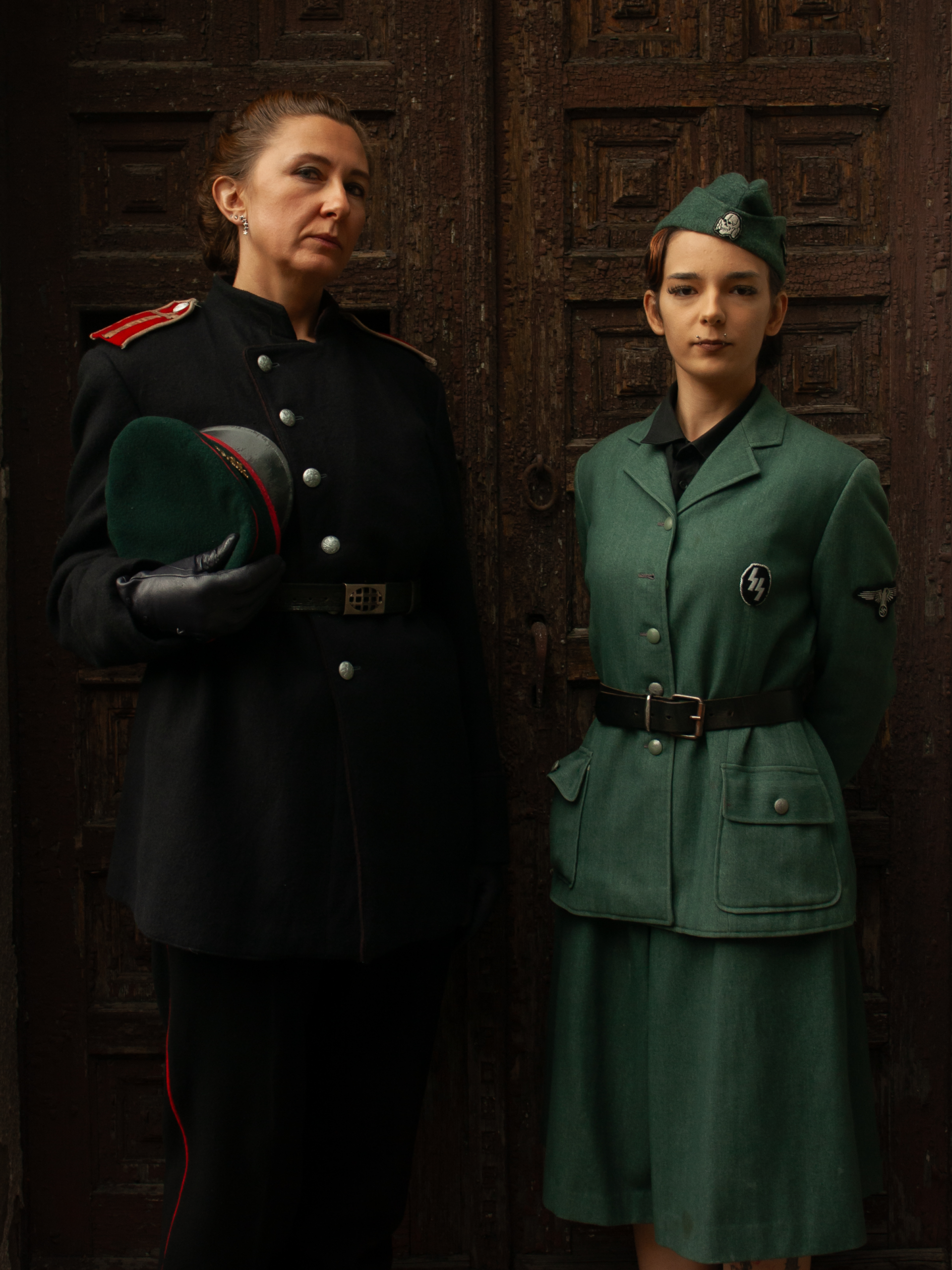
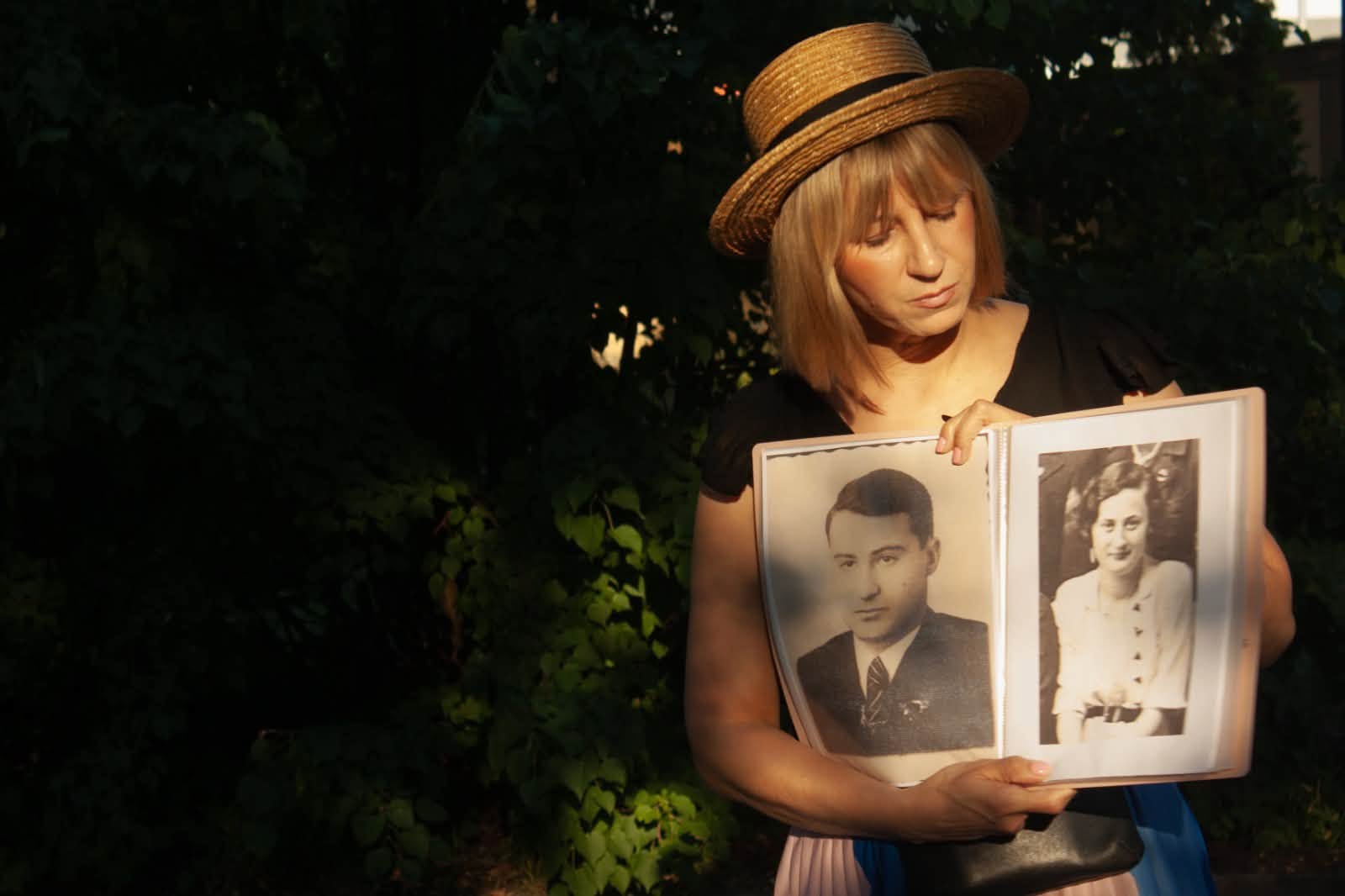
The performance, which brings to light the figure of the Tomaszów-based ornithologist Frieda Bornstein, featured: Hanna Biegun, Antonina Celner, Janusz Dziubałtowski, Jowita Henig, Ignacy Koniuszaniec, Olga Janus, Kornelia Kawecka, Mateusz Majka, Urszula Mruszczyk, Julia Pabianek, Paweł Pstrokoński, Monika Stasiak, Marianna Wieczorek, Sandra Wiśniewska, and Wiktoria Zygmunt.
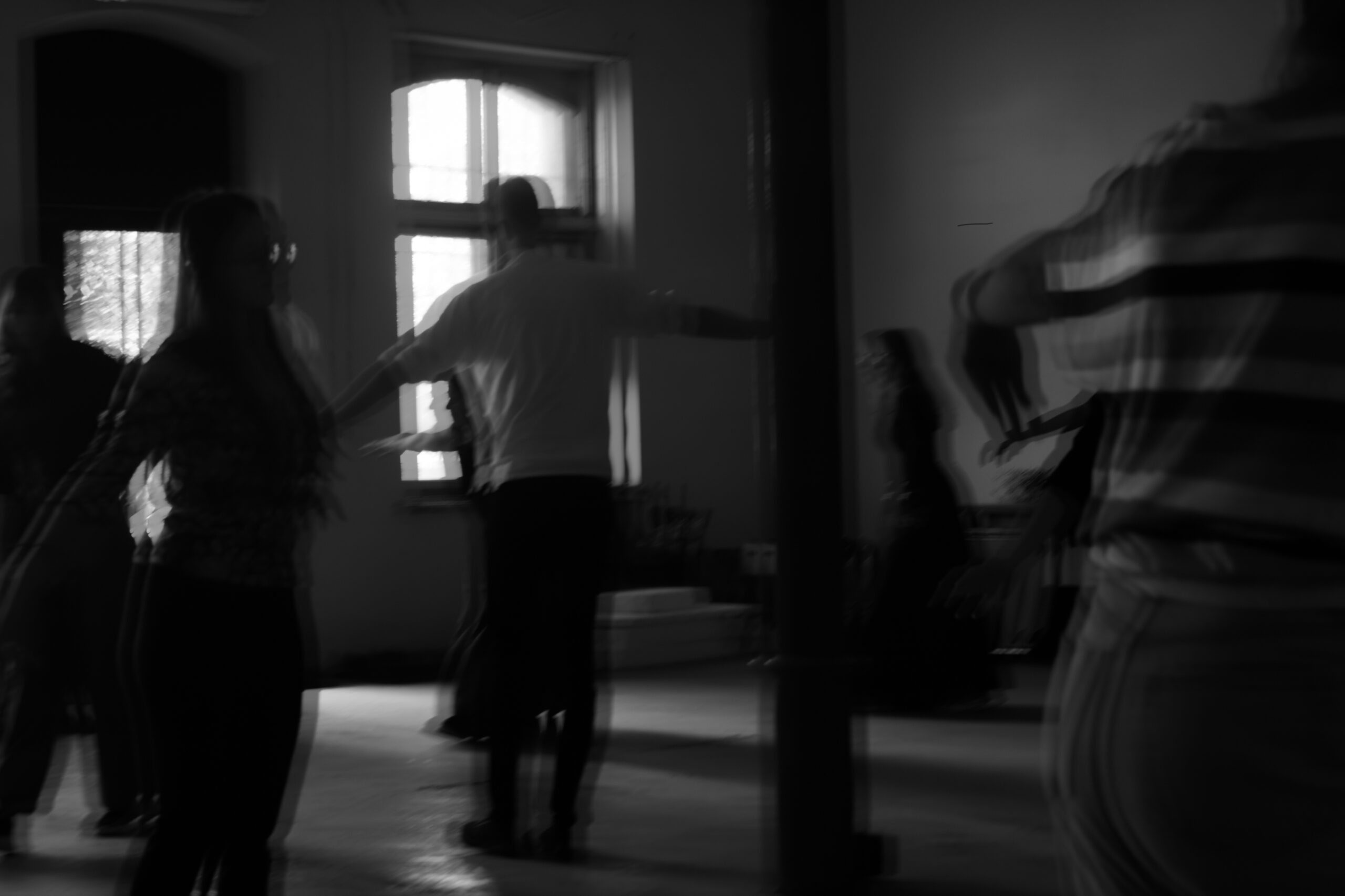
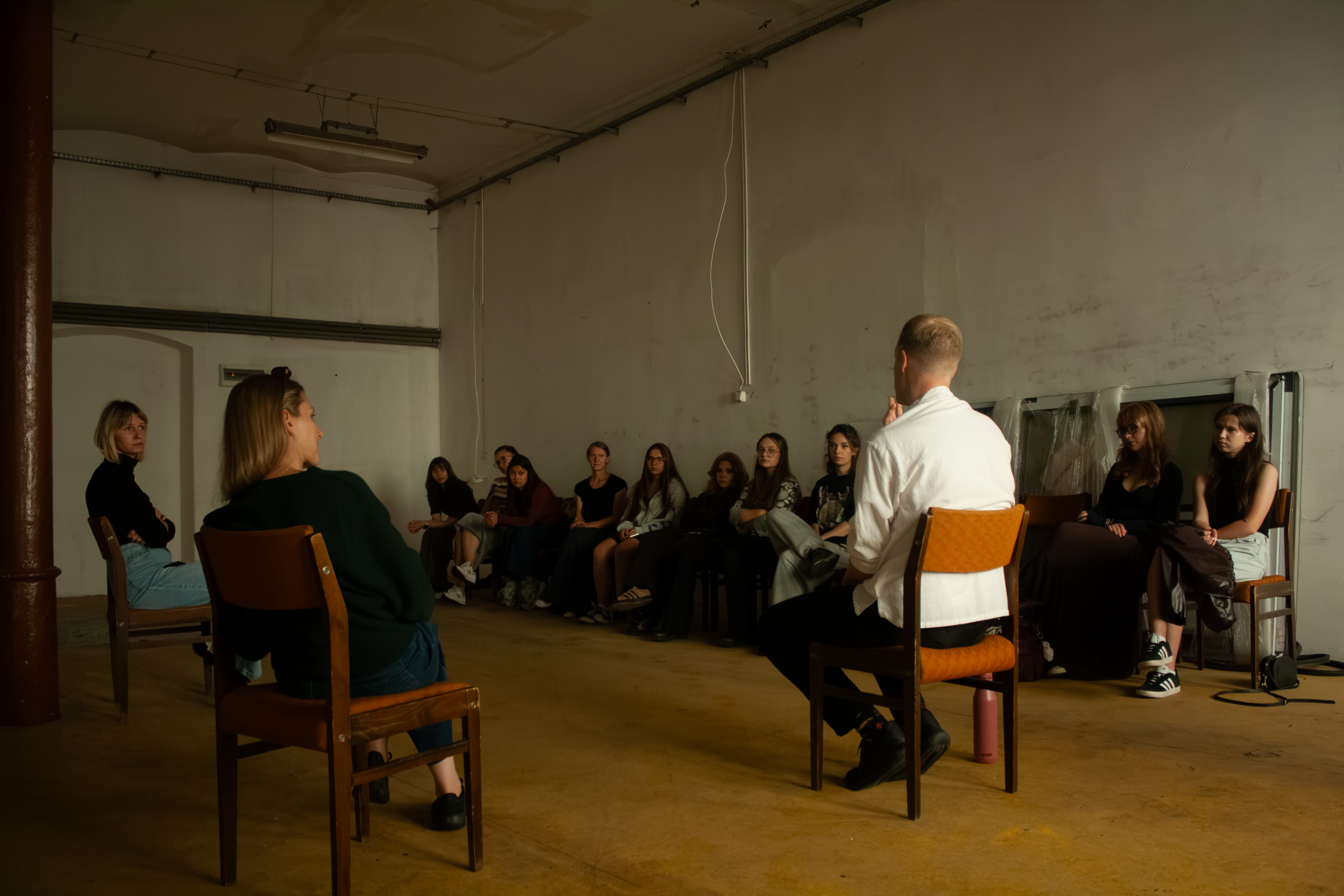
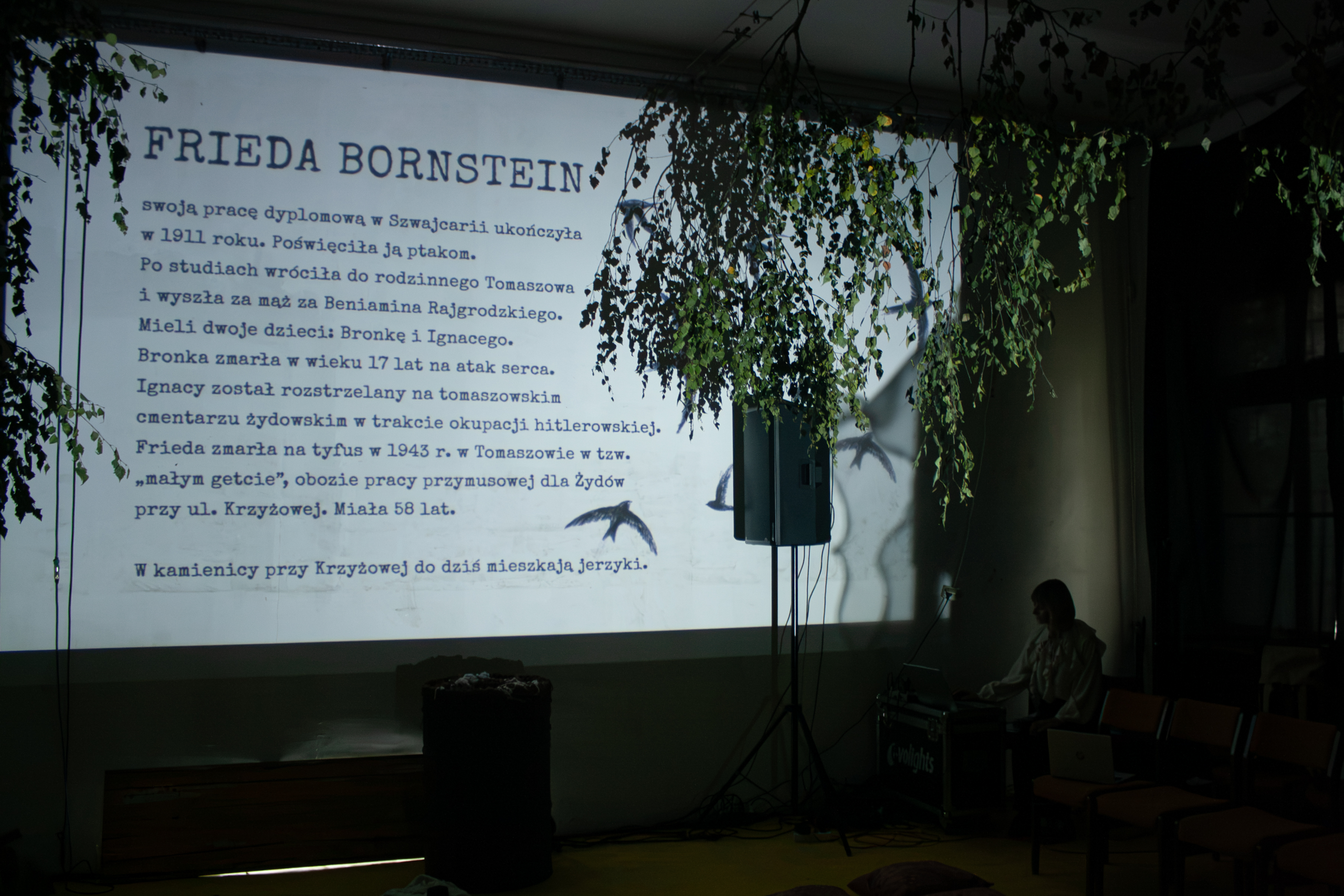
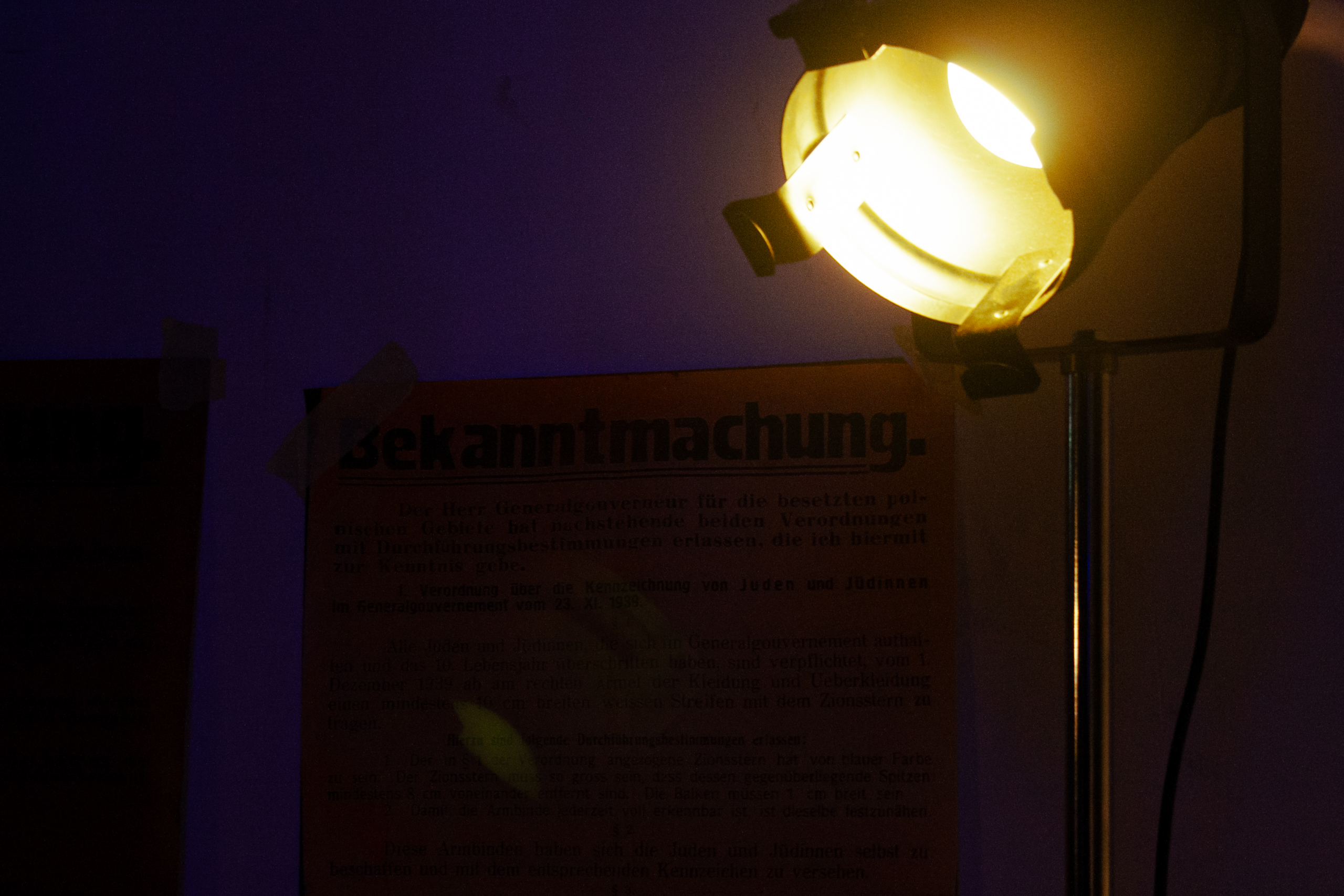
“Frieda, Mother of Swifts” serves as a character study of Frieda Bornstein (1885-1943). During the production of the play, together with the cast, we explored how a girl growing up amid the roar of factory machinery and smoking chimneys could have discovered a passion for ornithology. We explored the unique natural and cultural landscape of Tomaszów at the turn of the 19th and 20th centuries, as well as the transformations of the urban fabric over the years. We learnt more about Frieda’s family, friends, and neighbors, as well as the daily lives of Tomaszów’s former residents.
Research on Frieda Bornstein is being conducted by Justyna Biernat and Paweł Pstrokoński. They are currently preparing an English-language article dedicated to the Tomaszów ornithologist.
Photos: Jessica Szczepańska
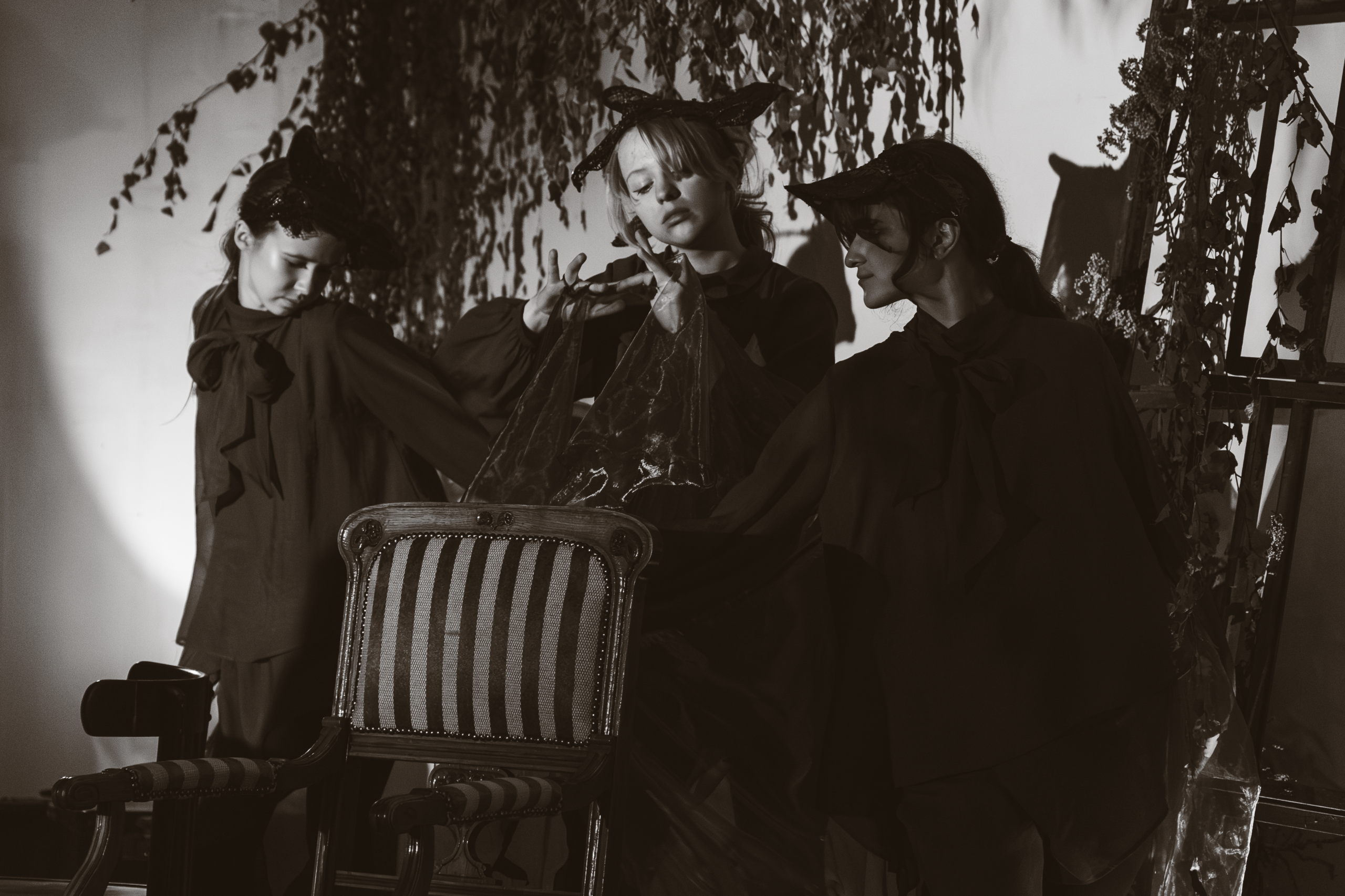
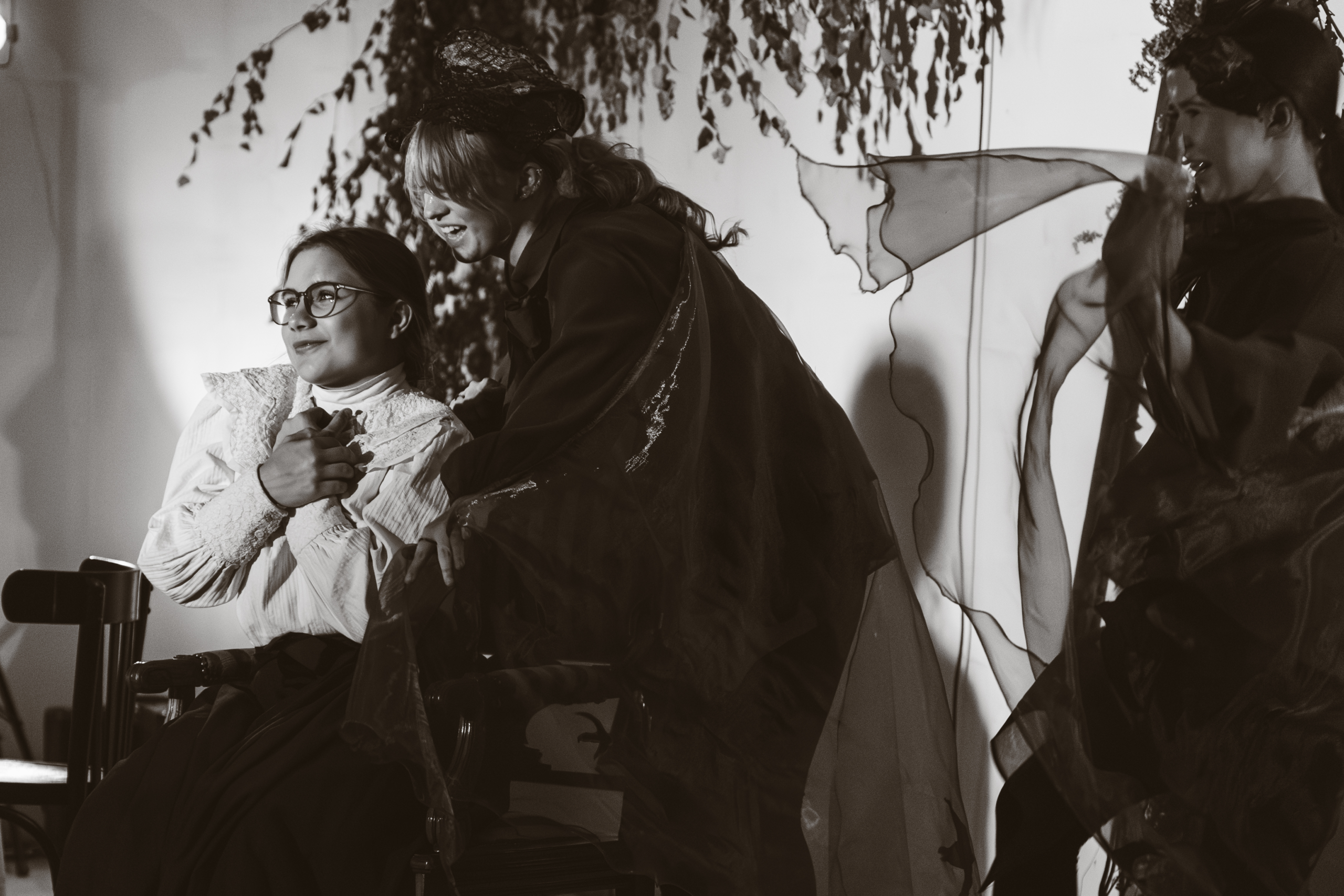
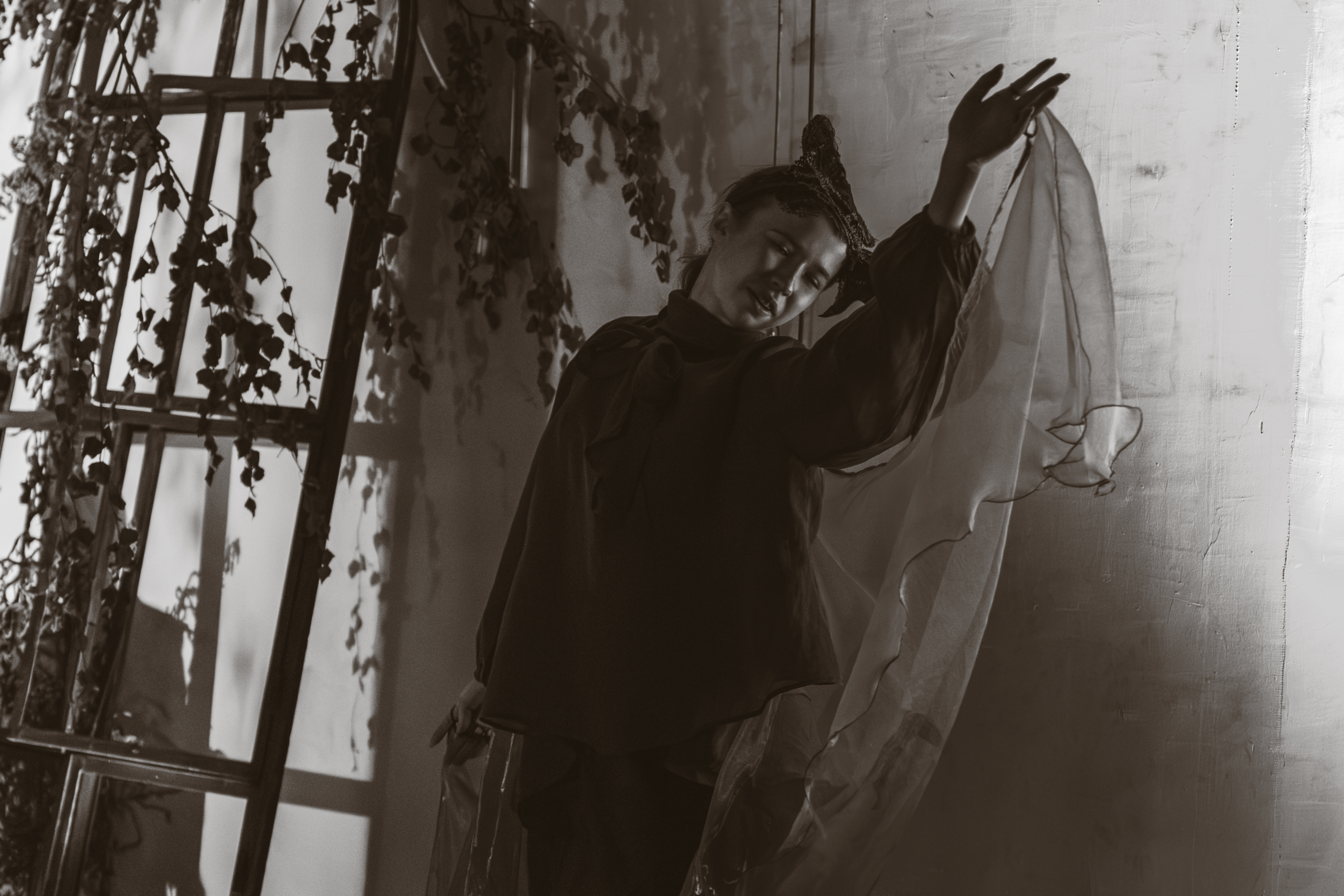
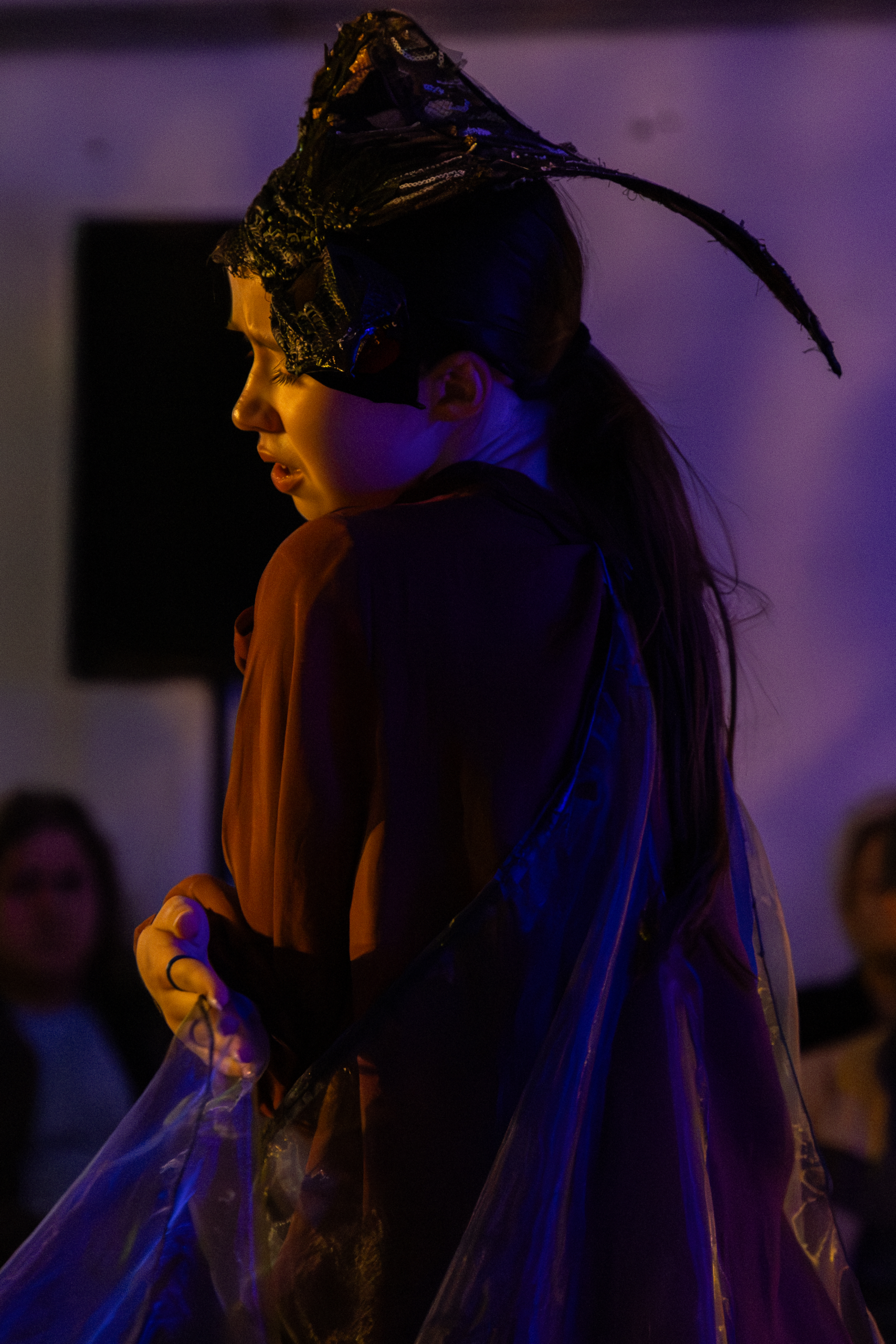
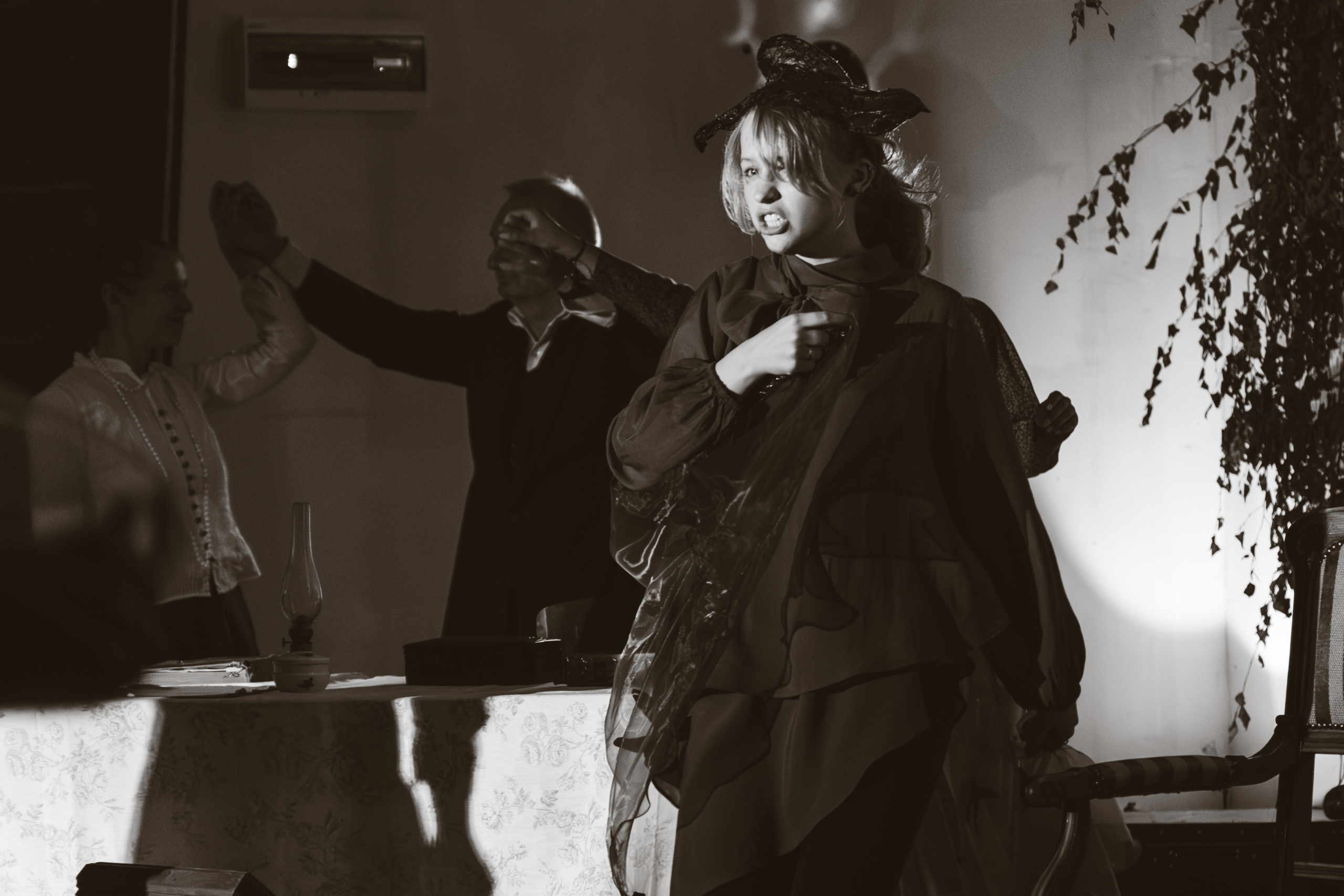
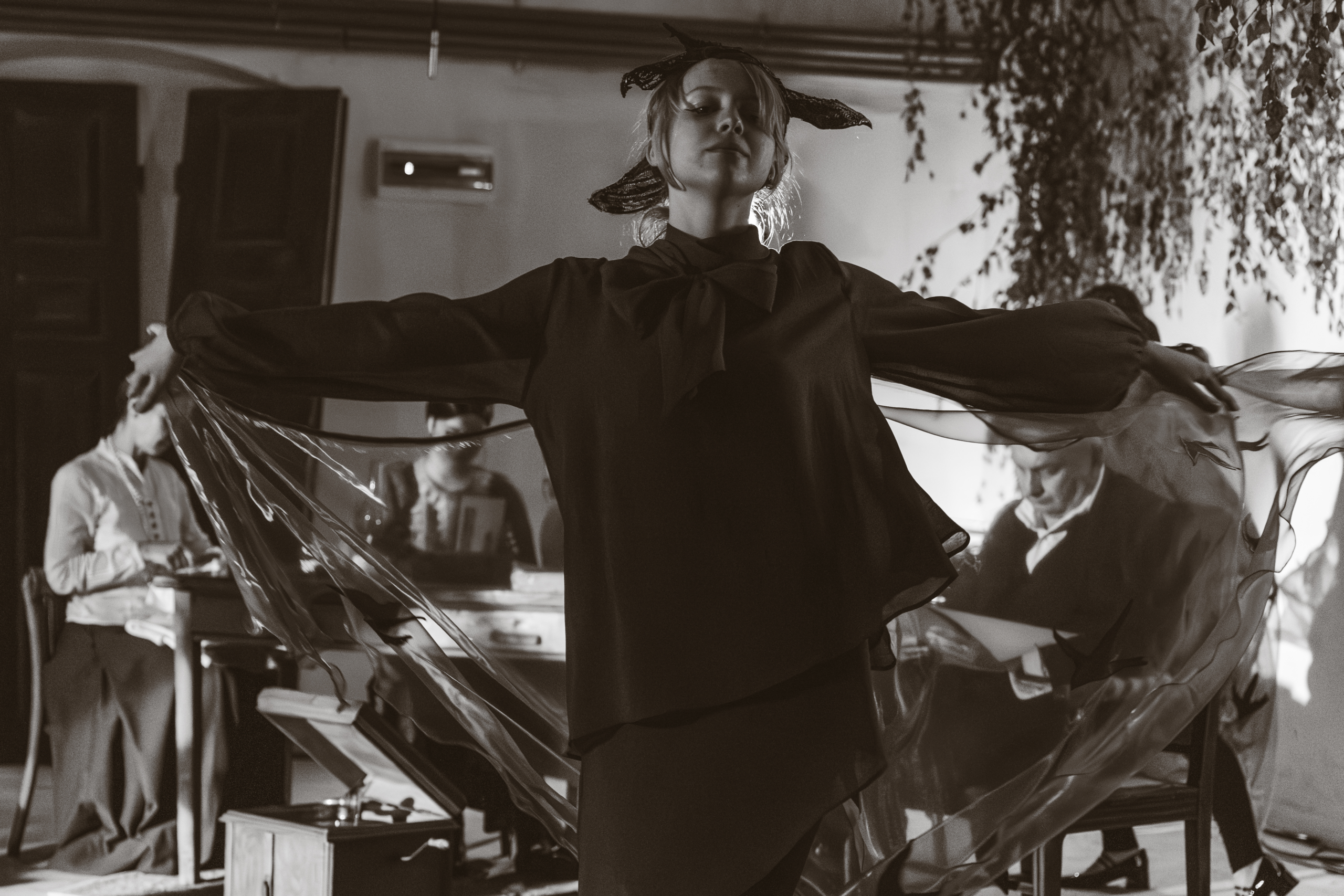
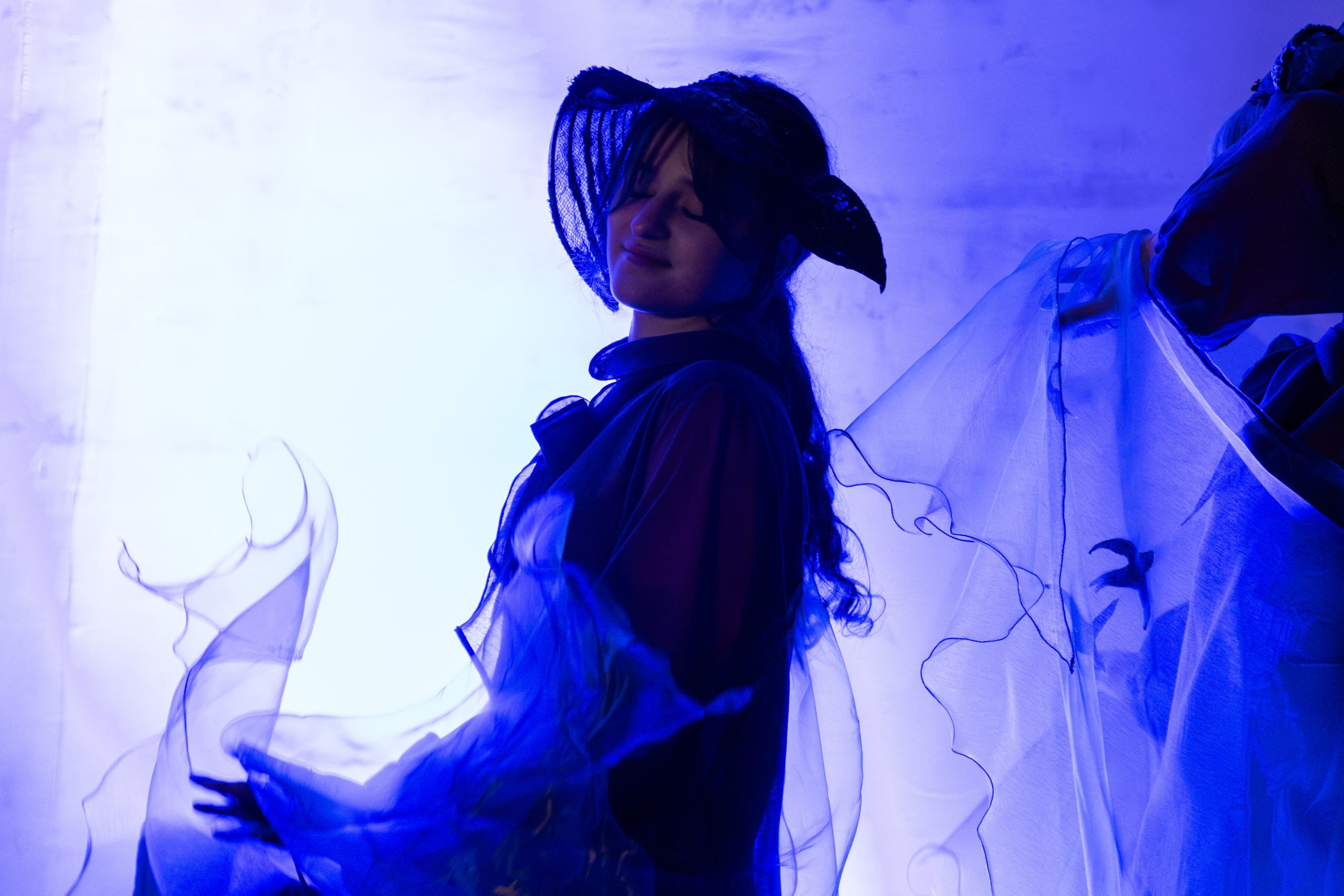
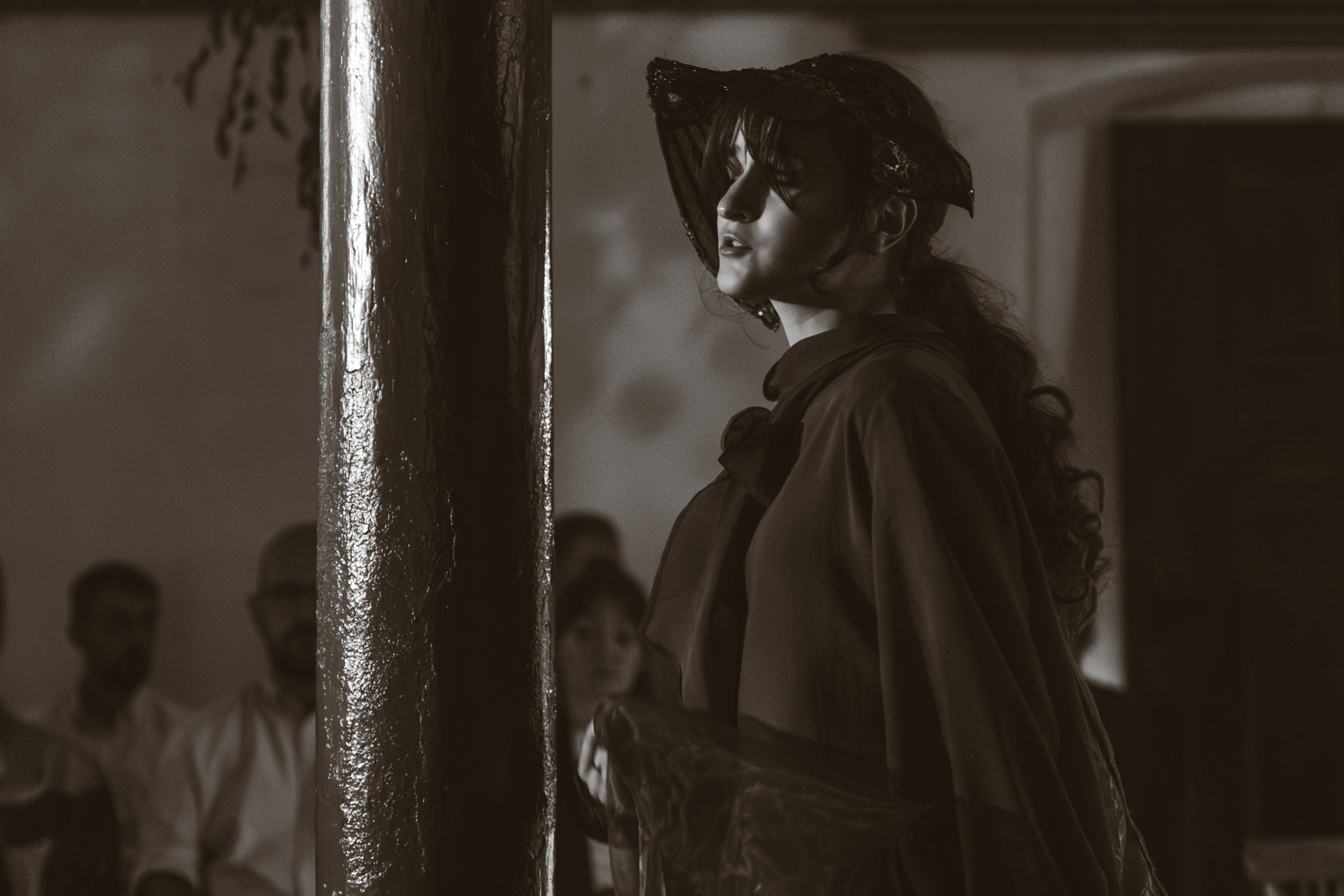
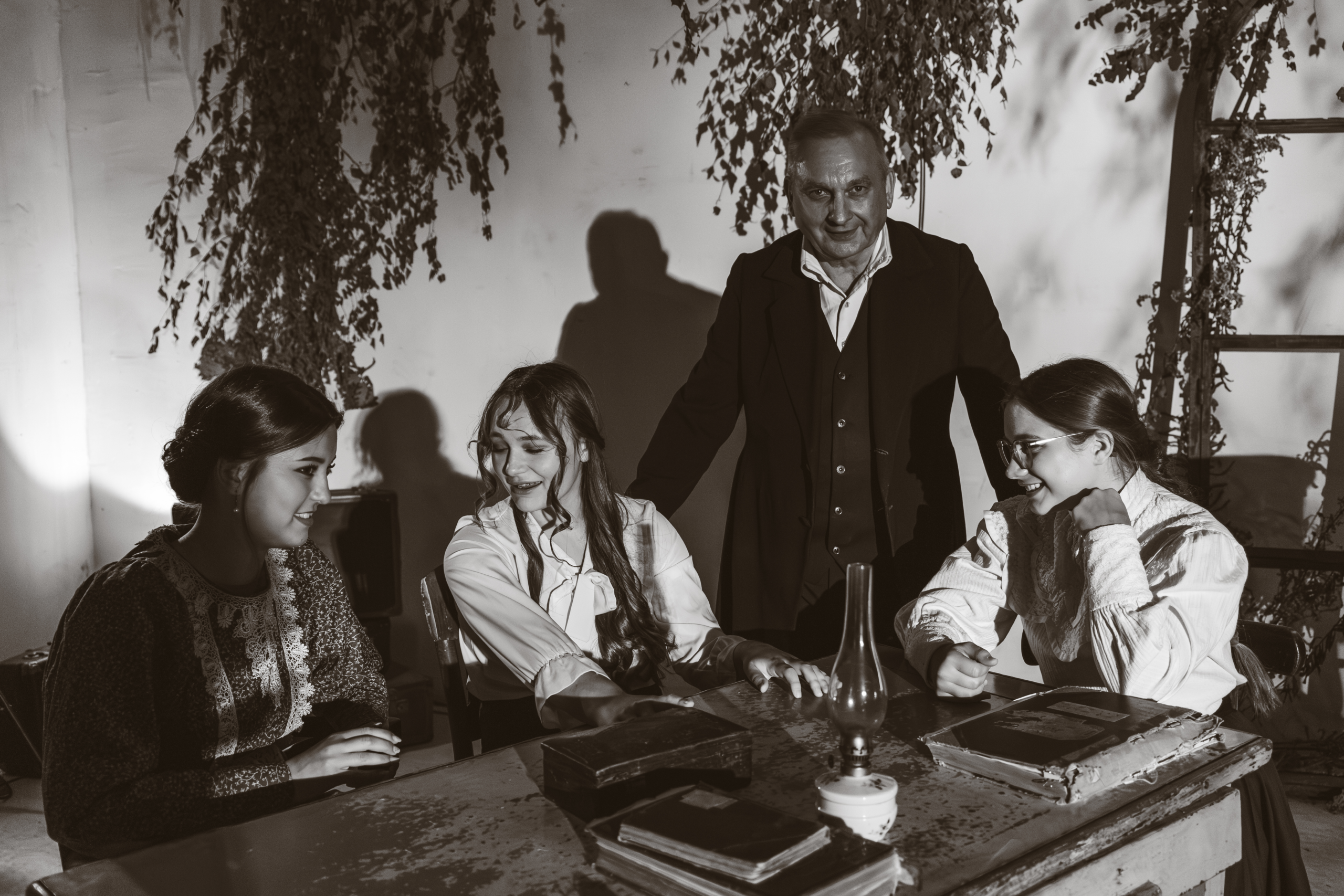
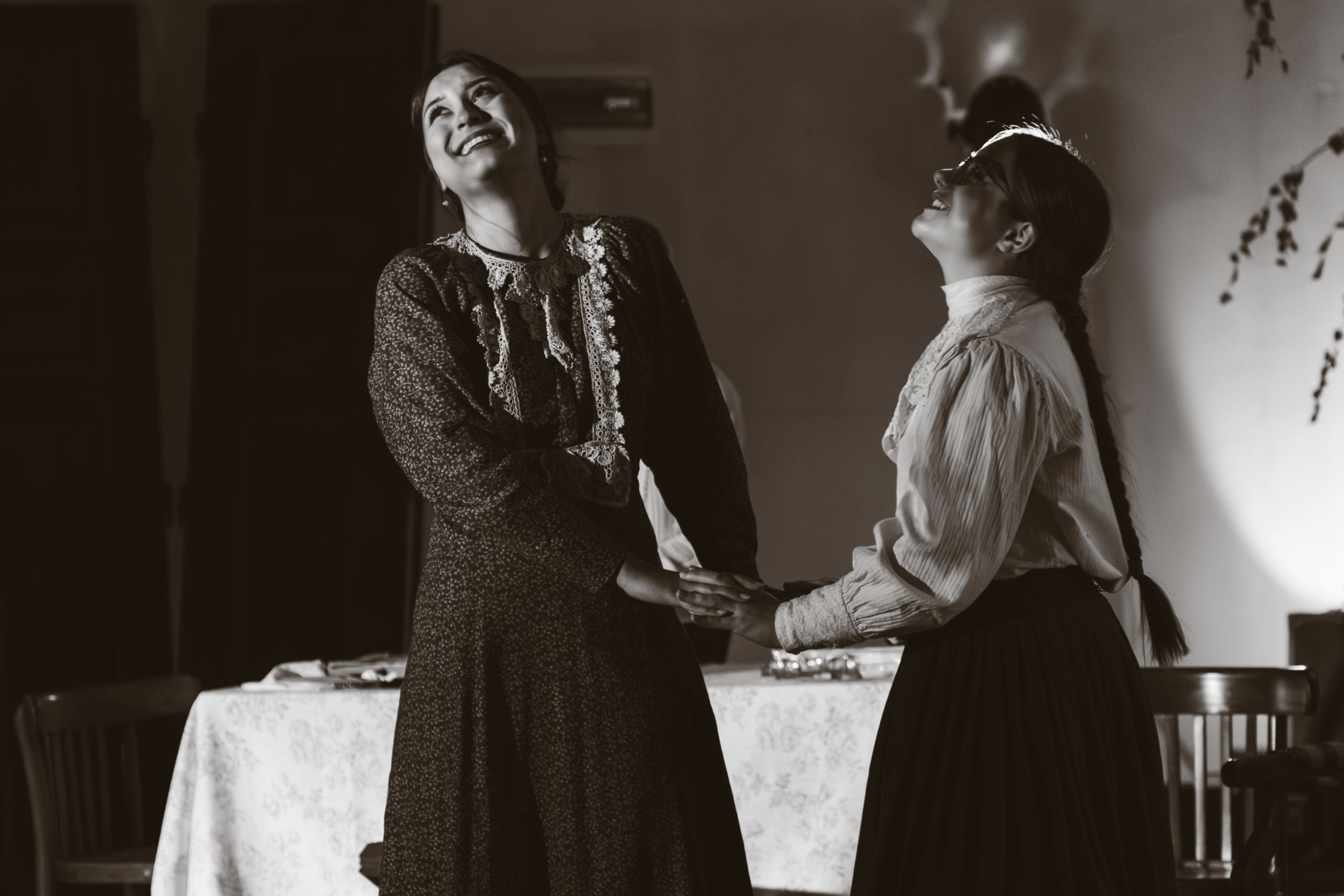
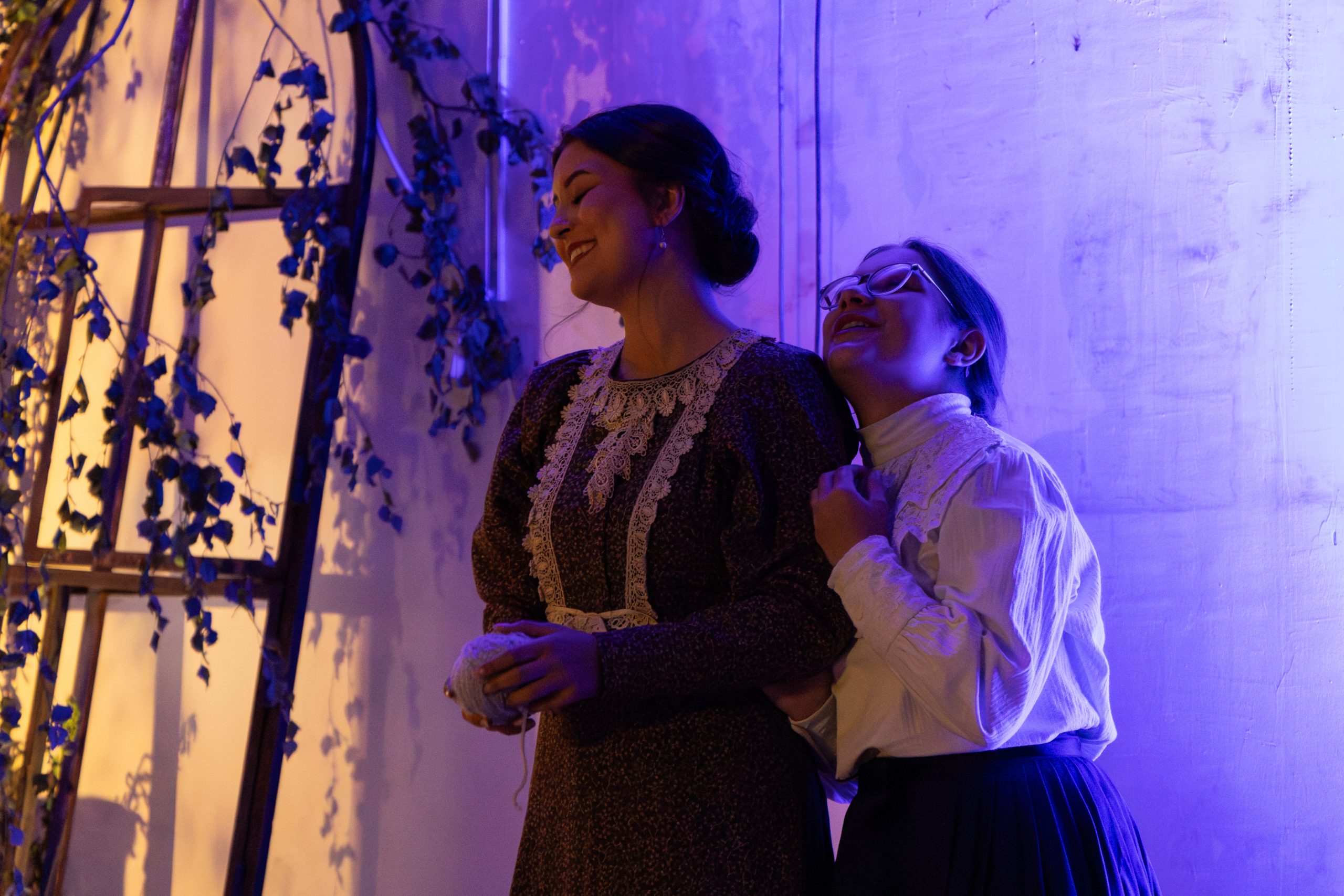
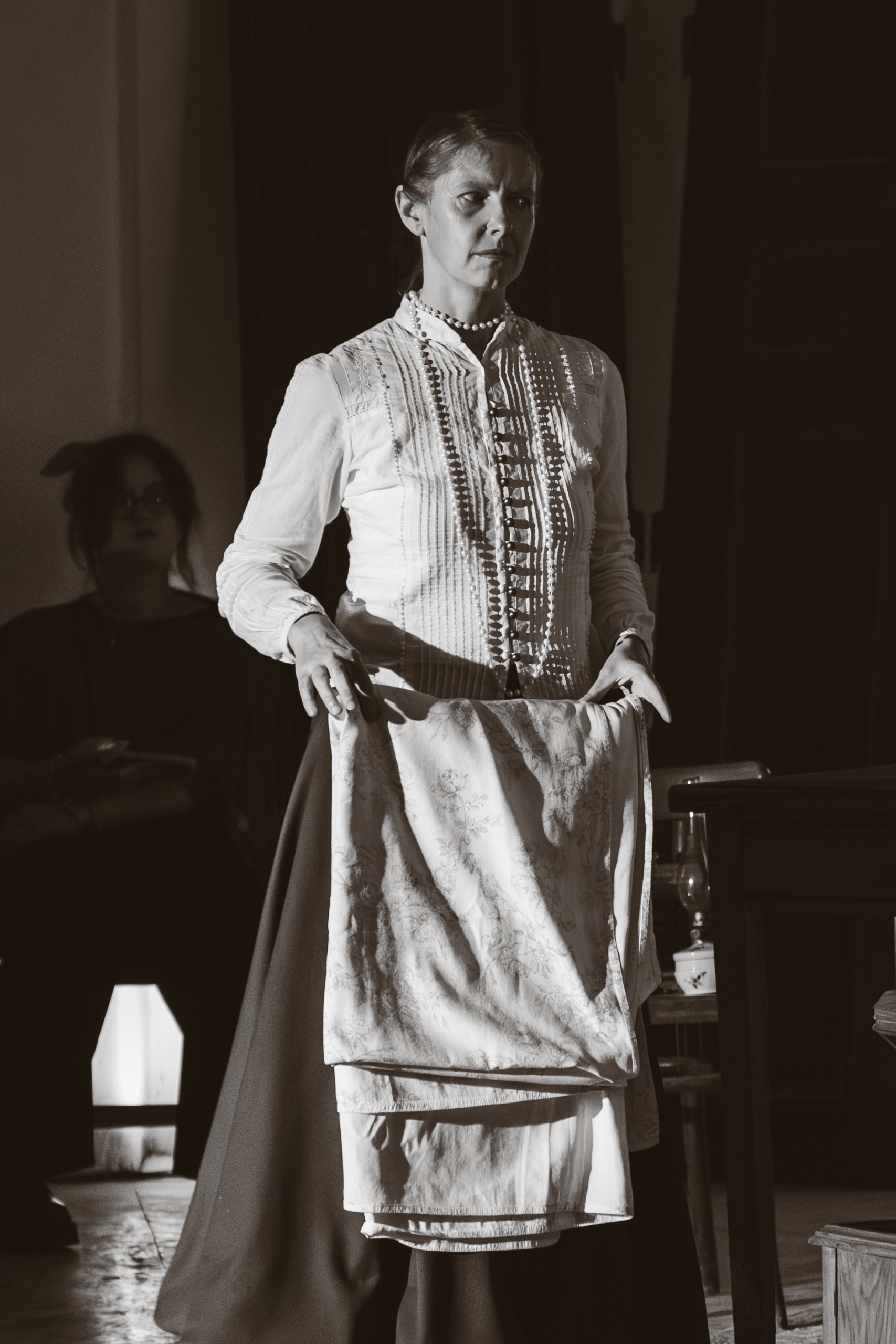
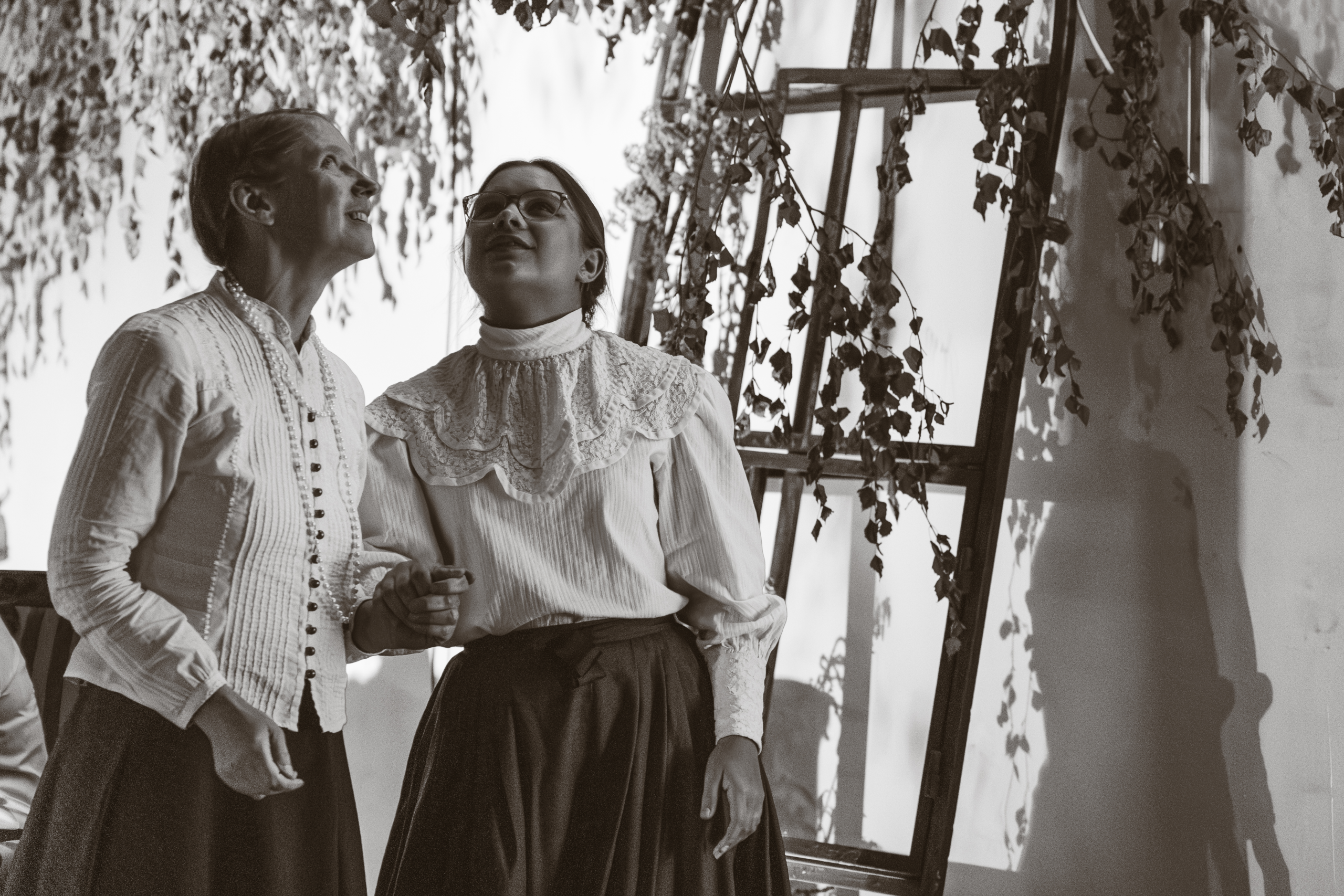

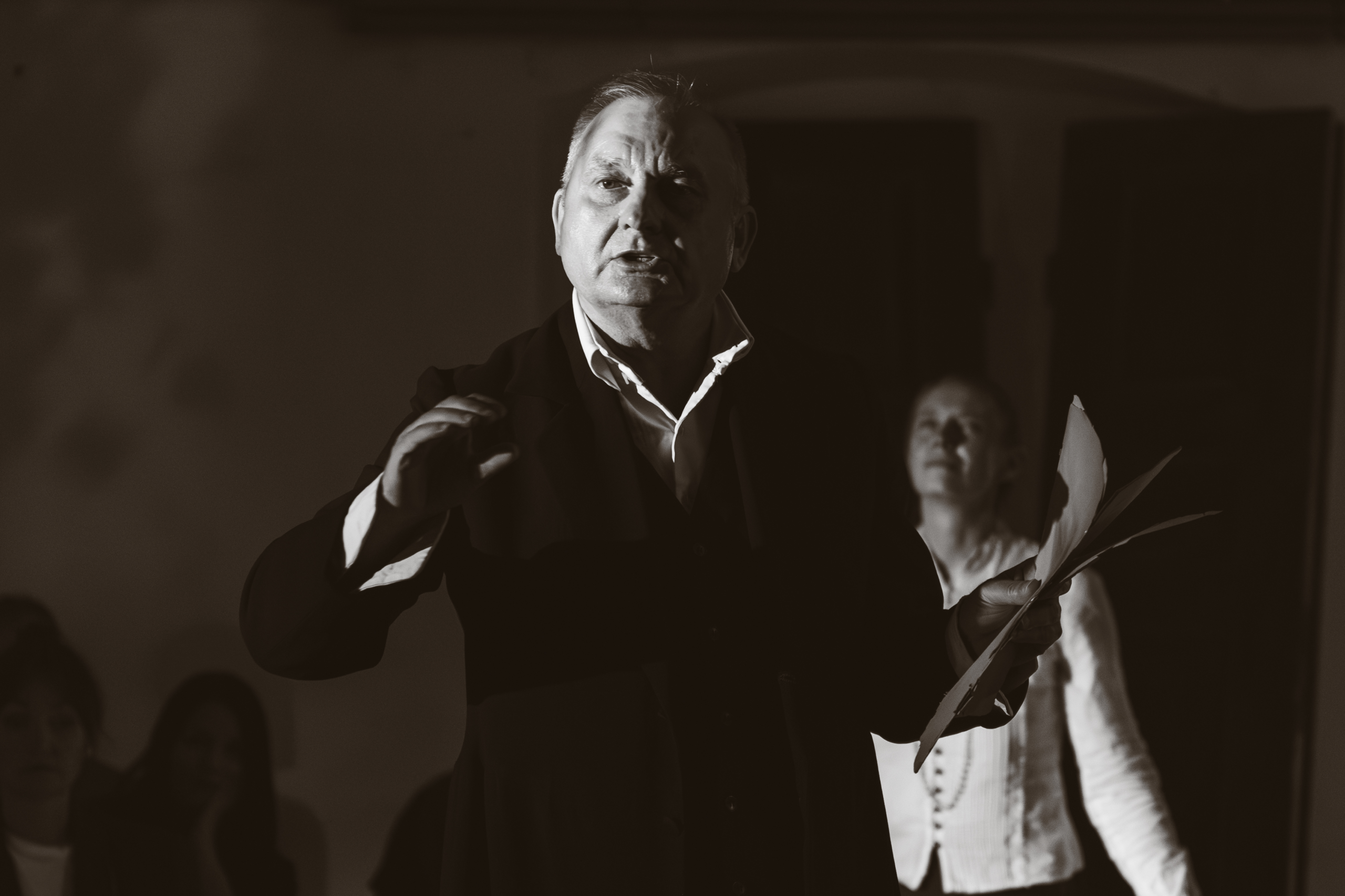
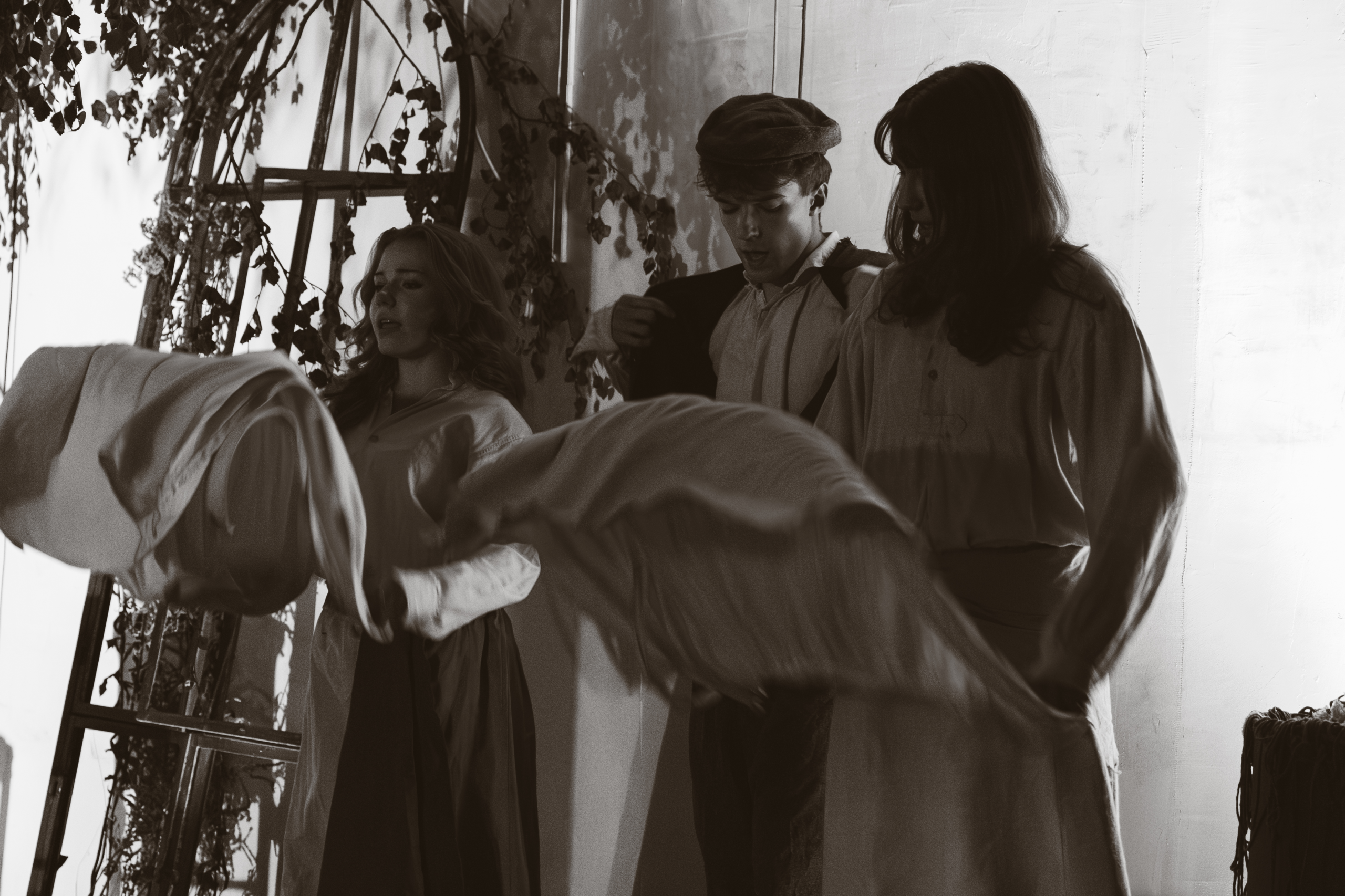
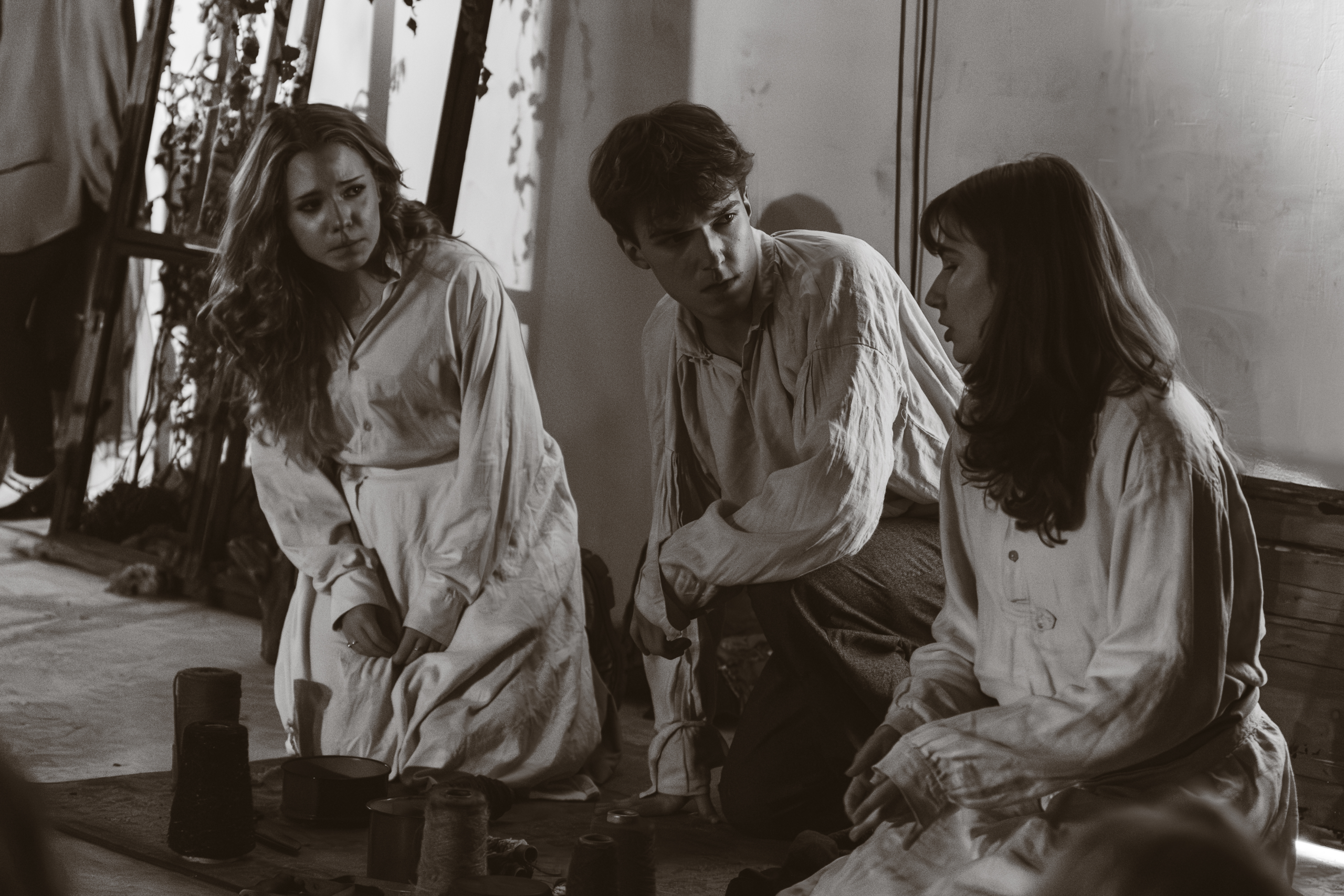

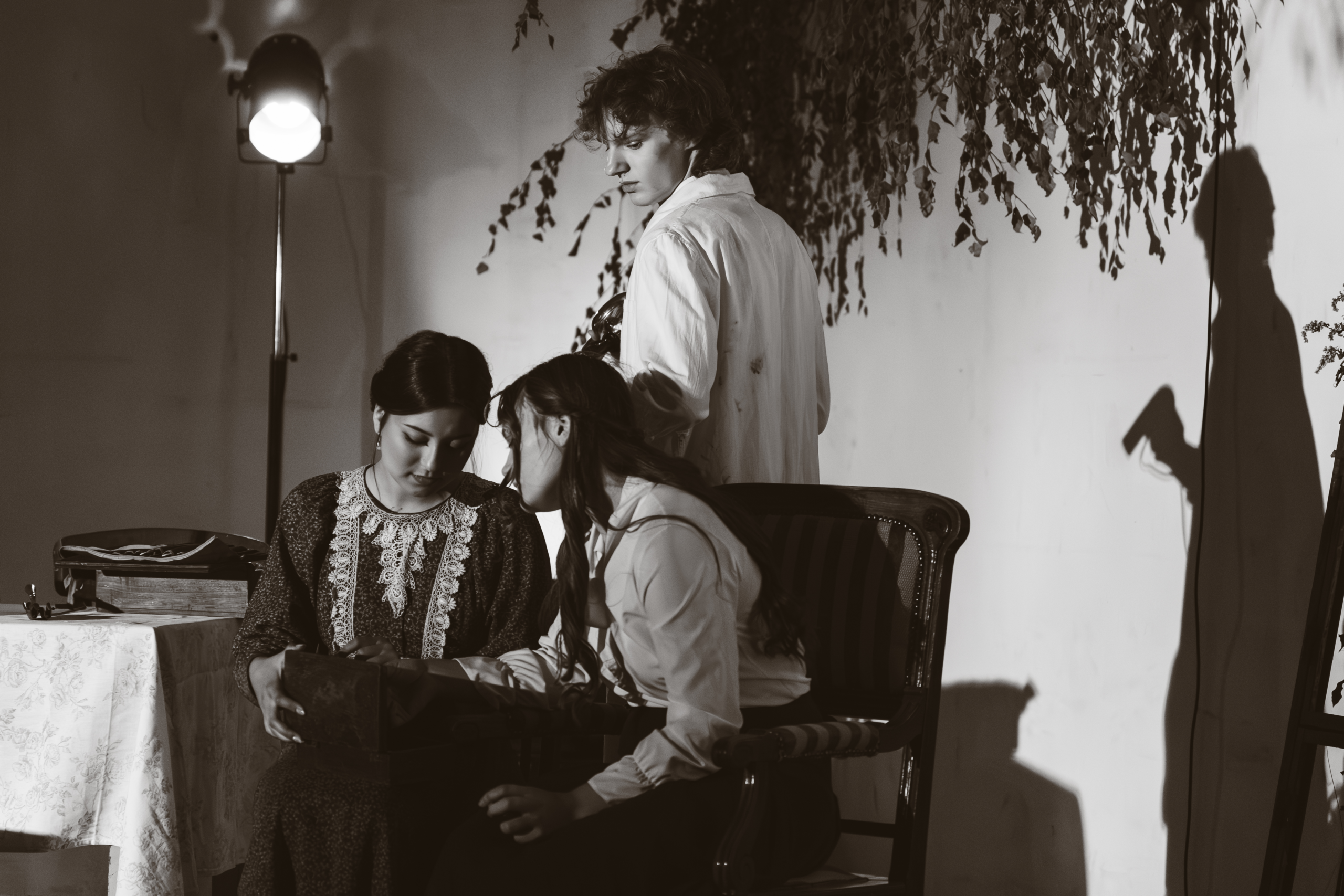
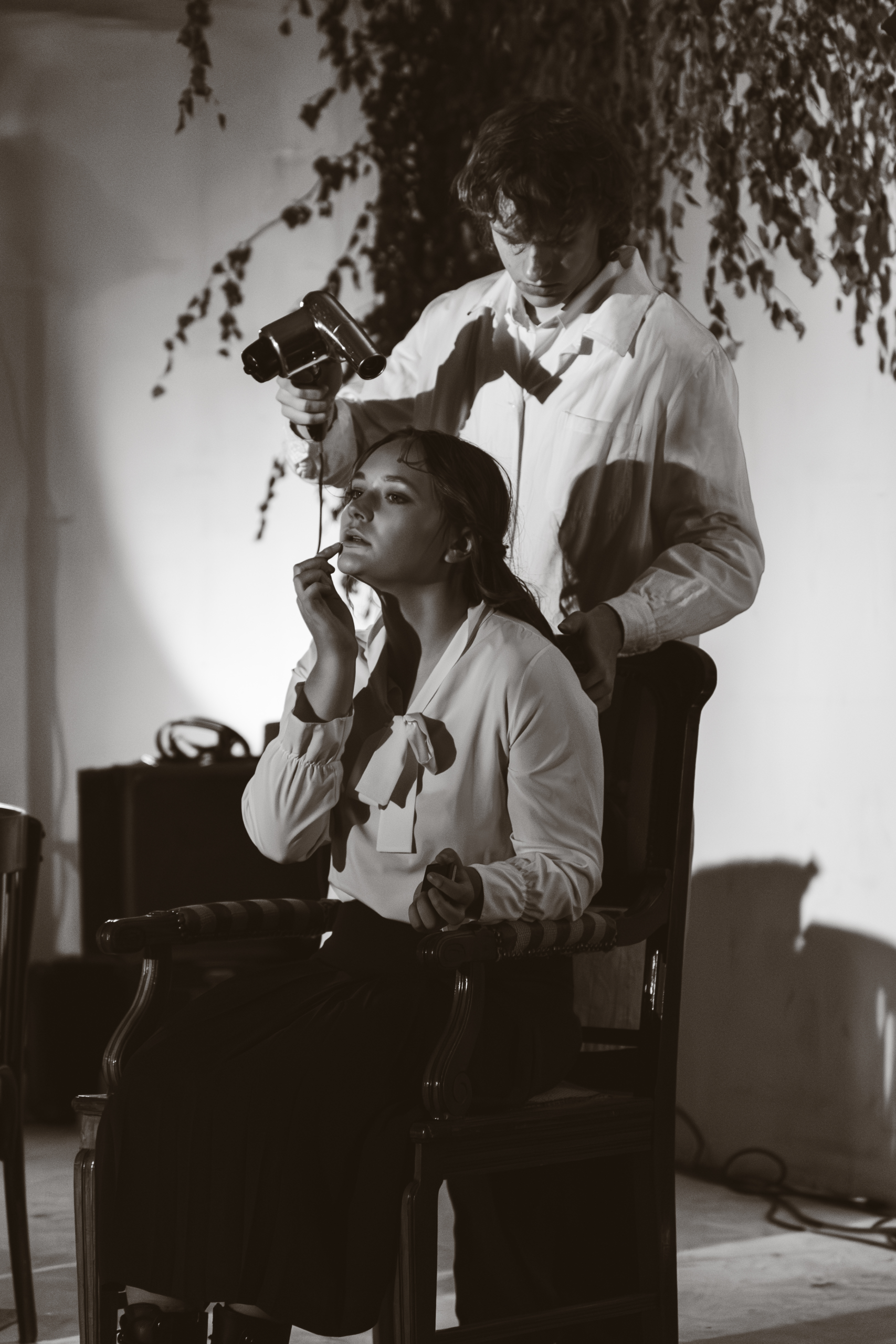

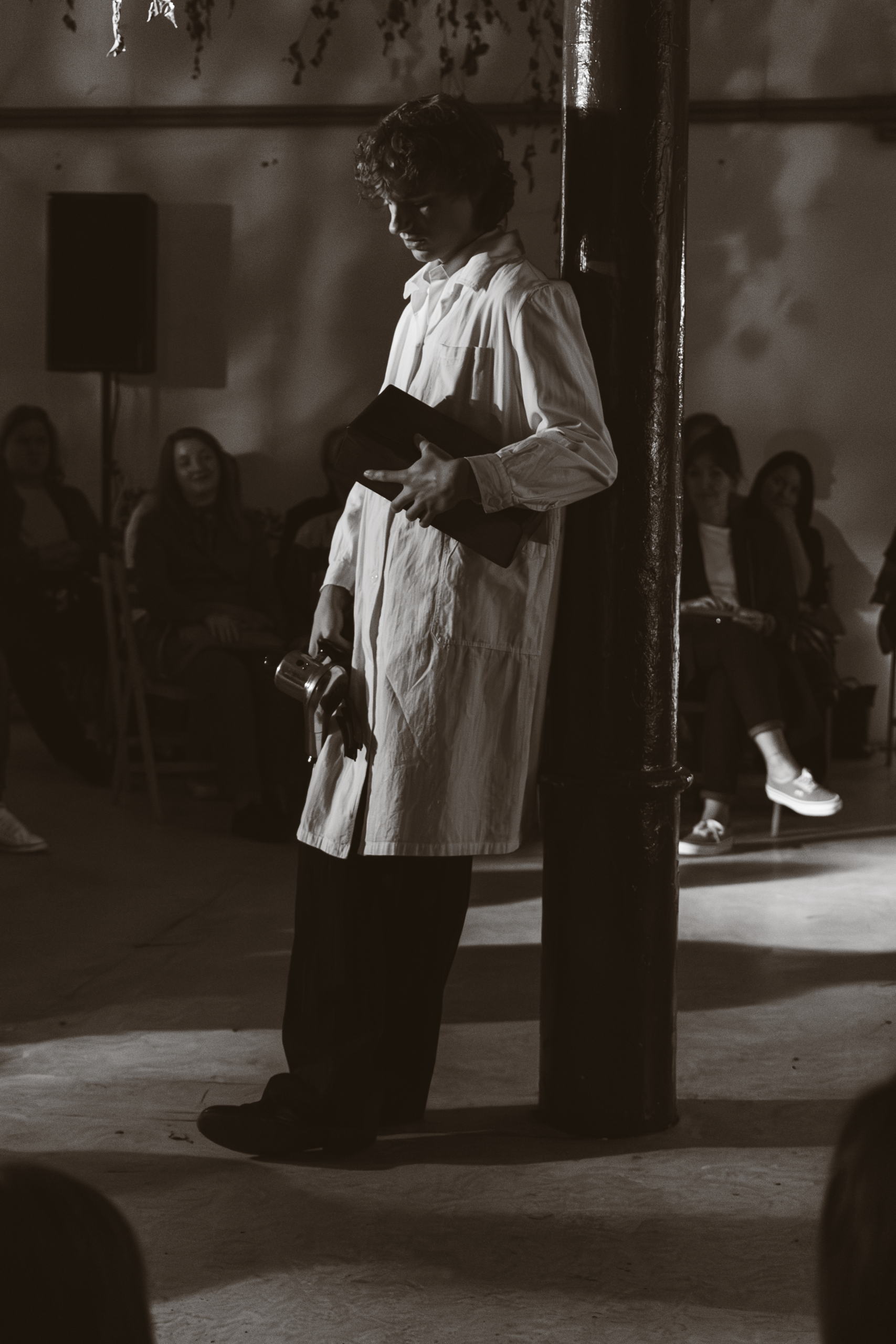
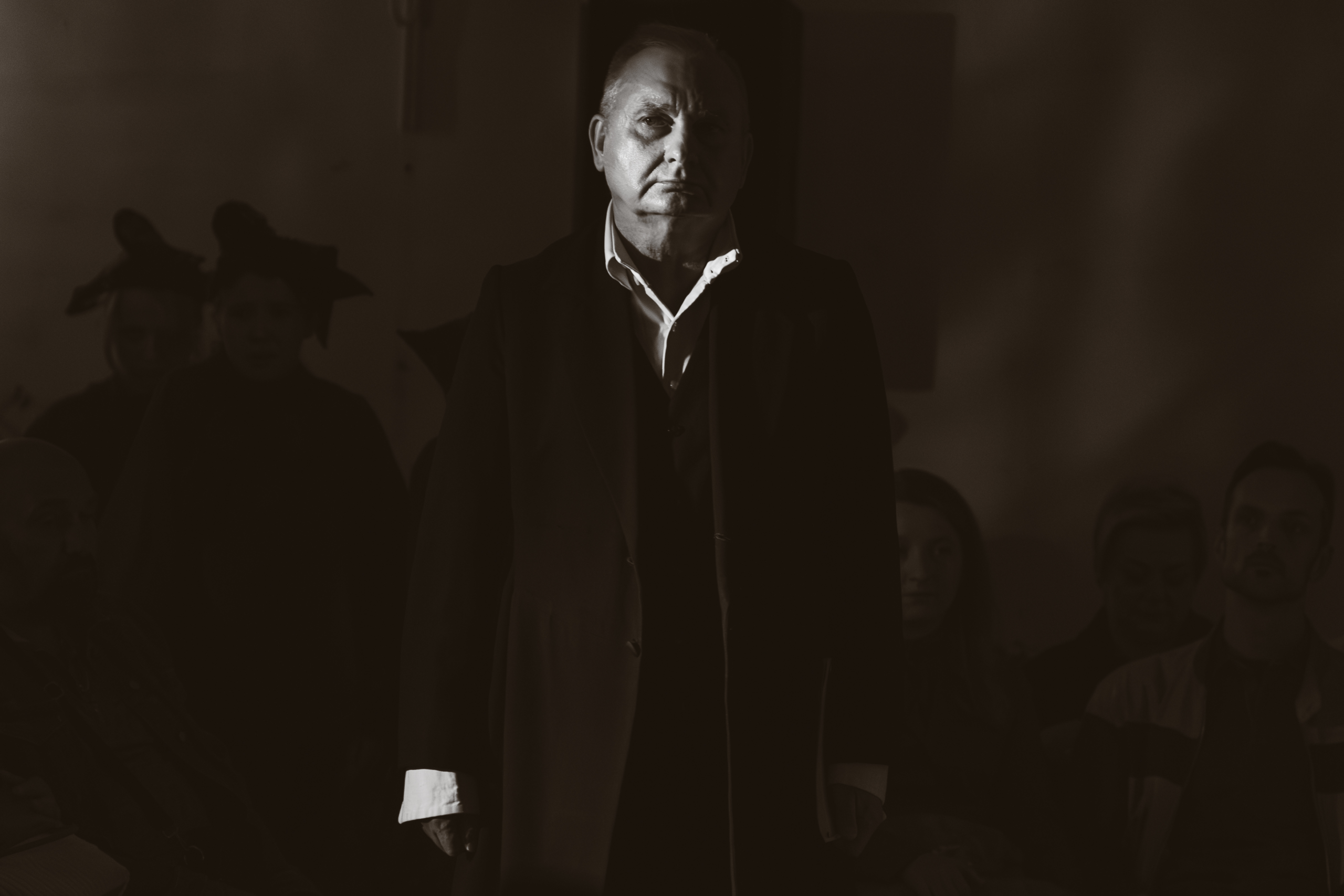
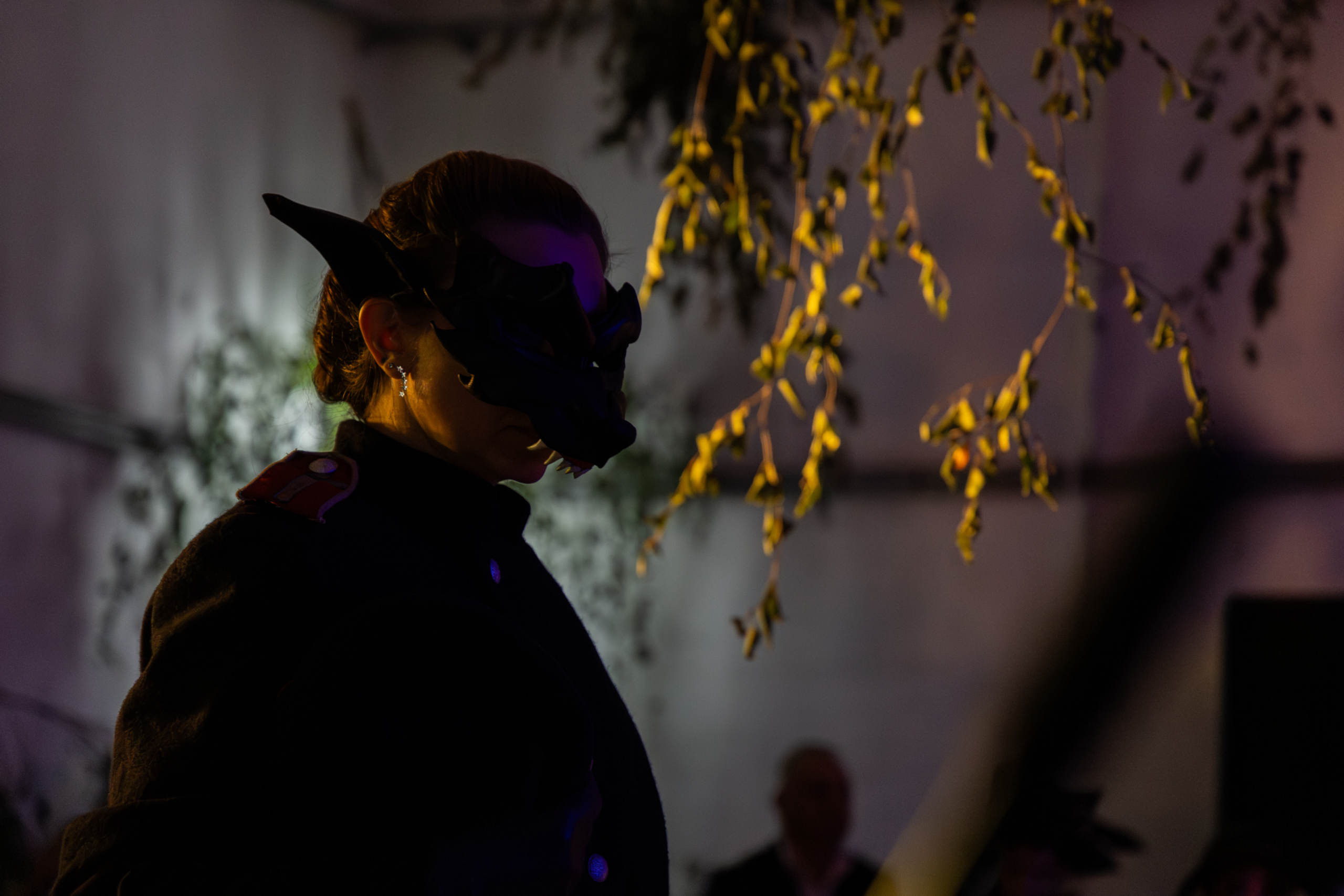
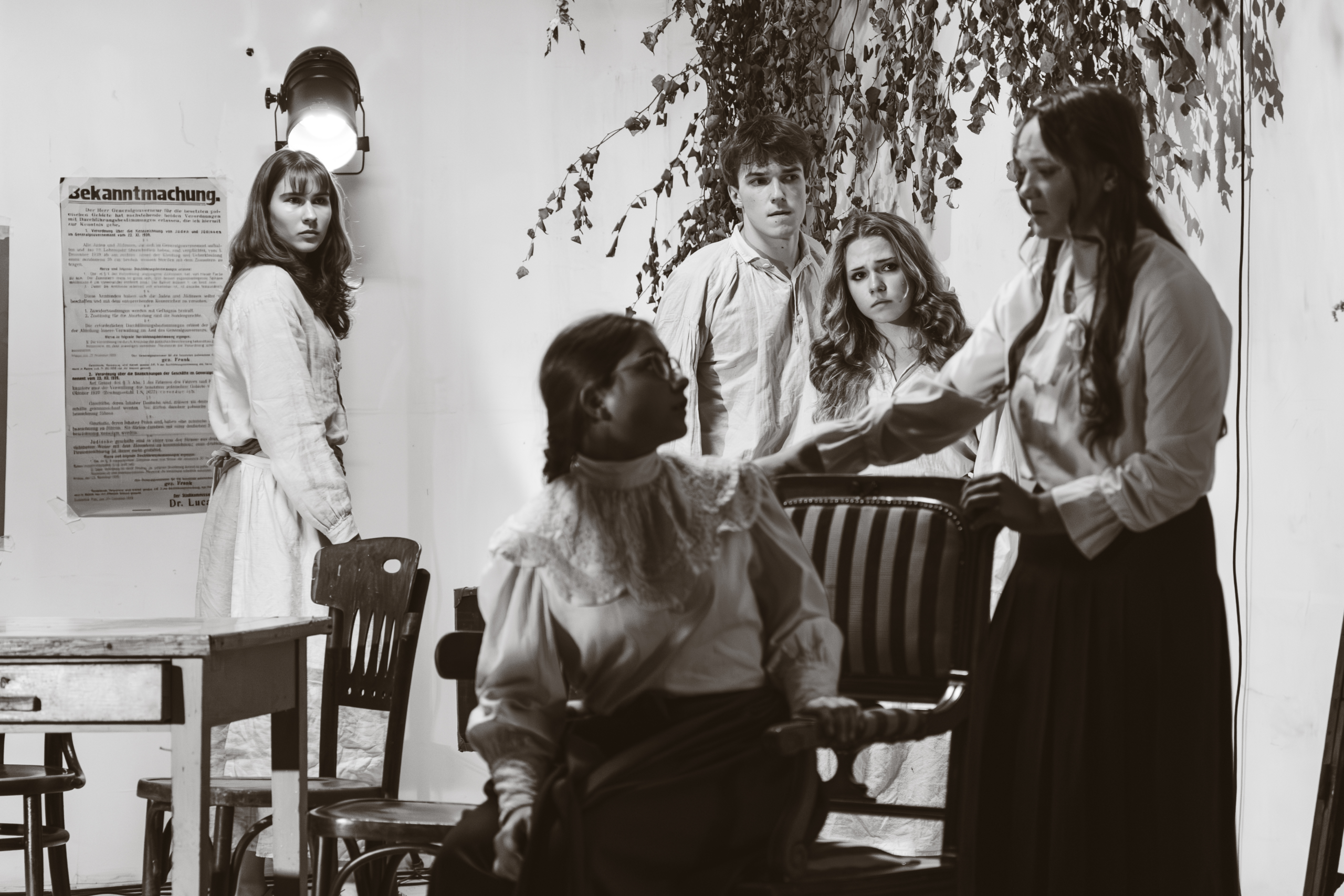
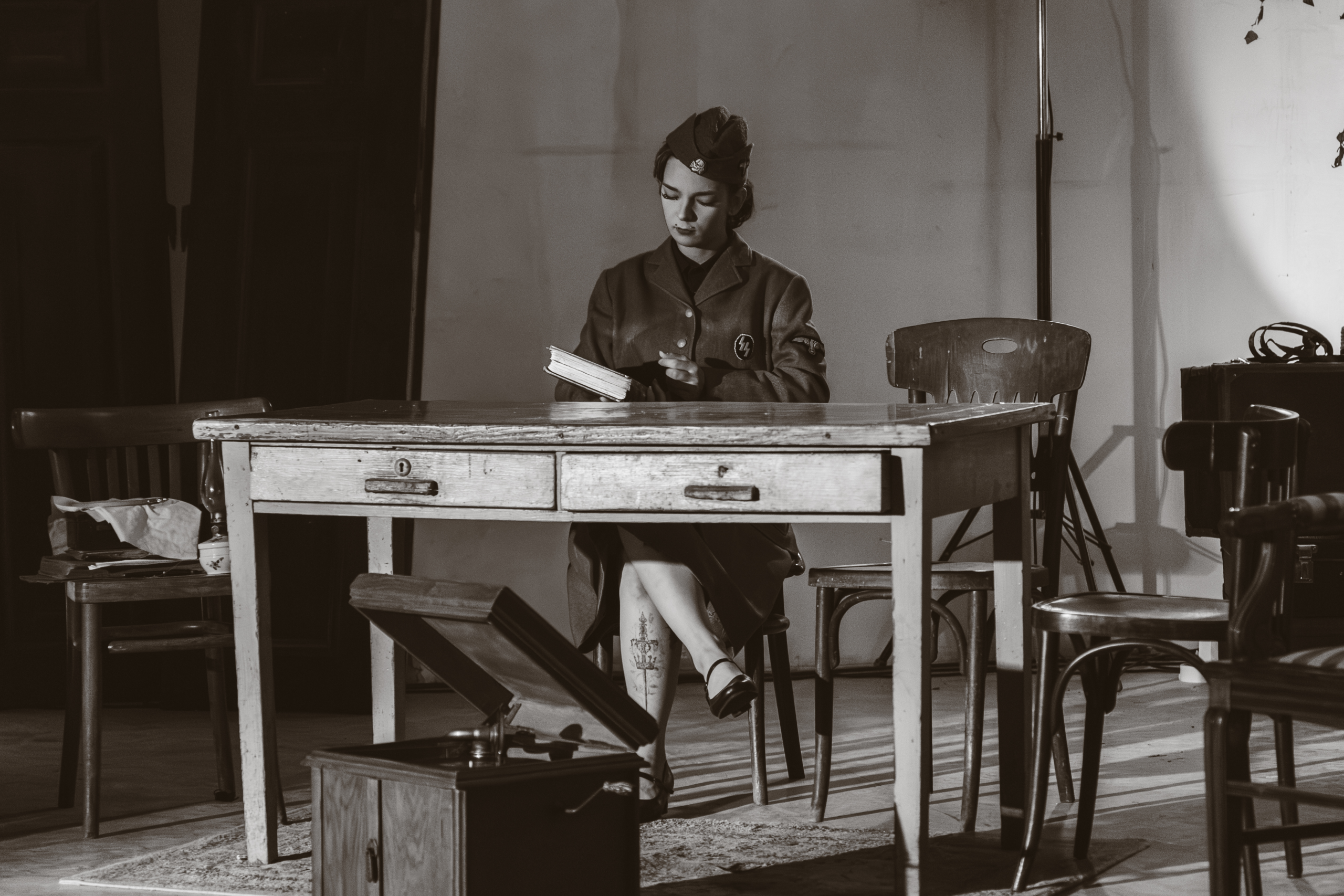
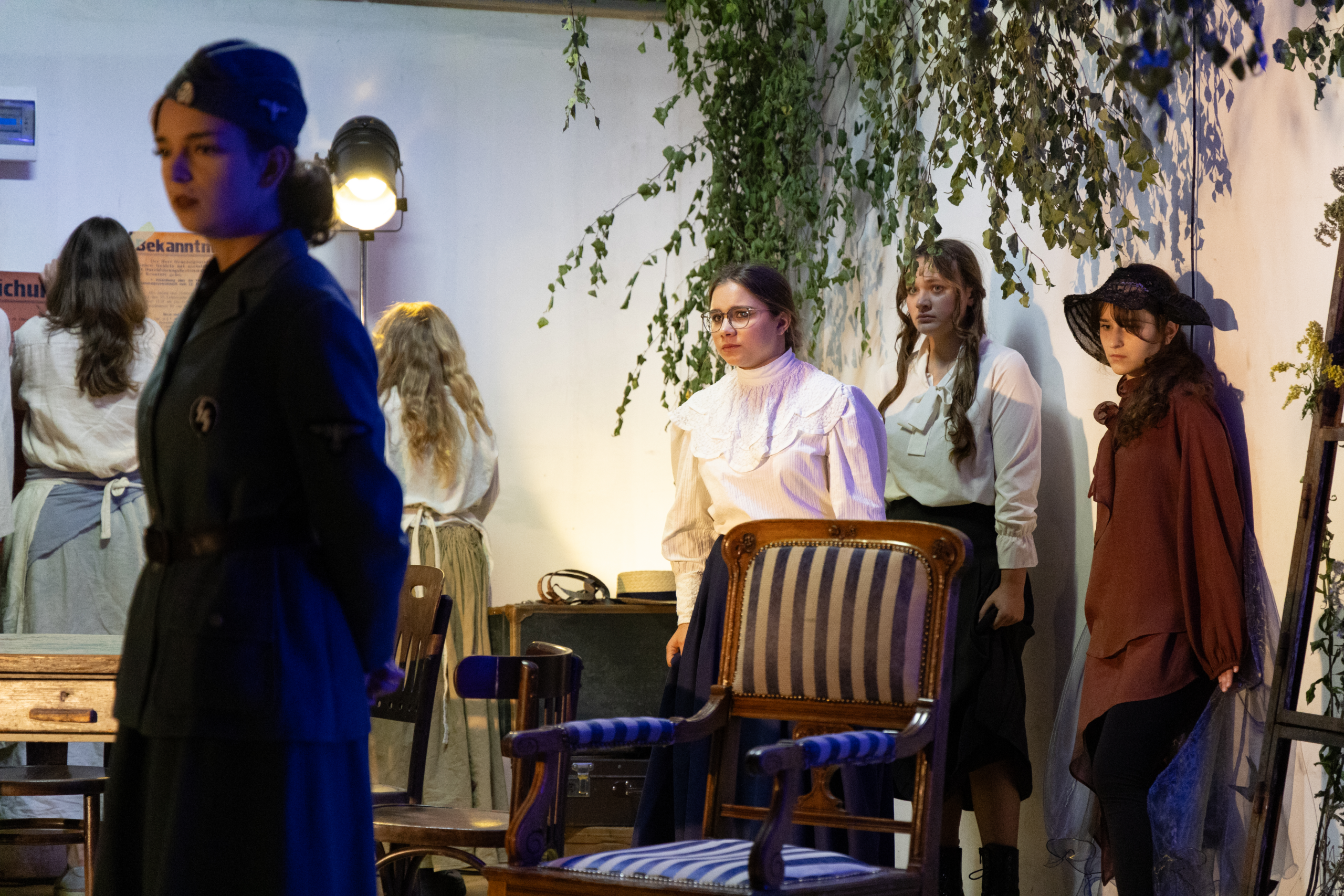
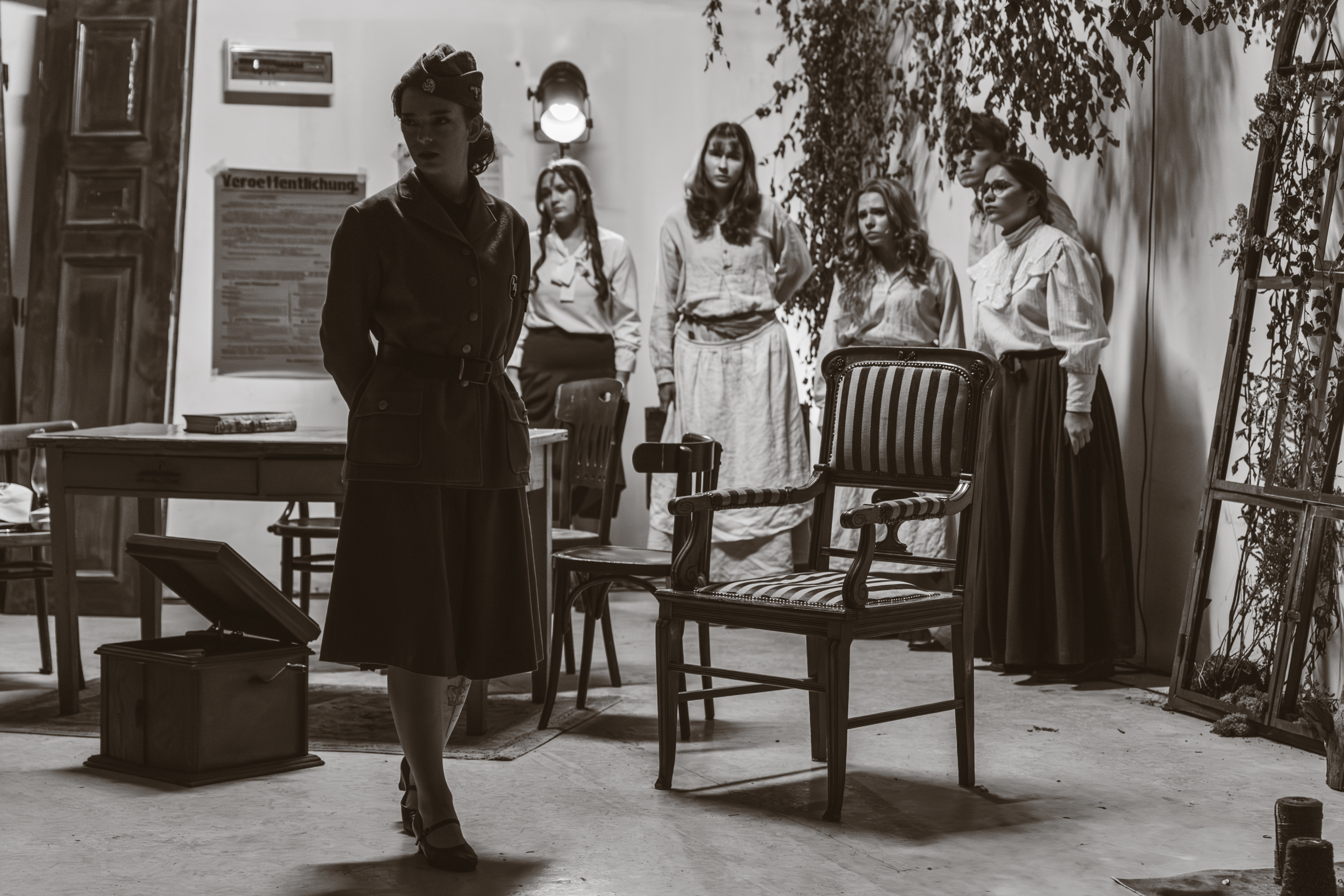
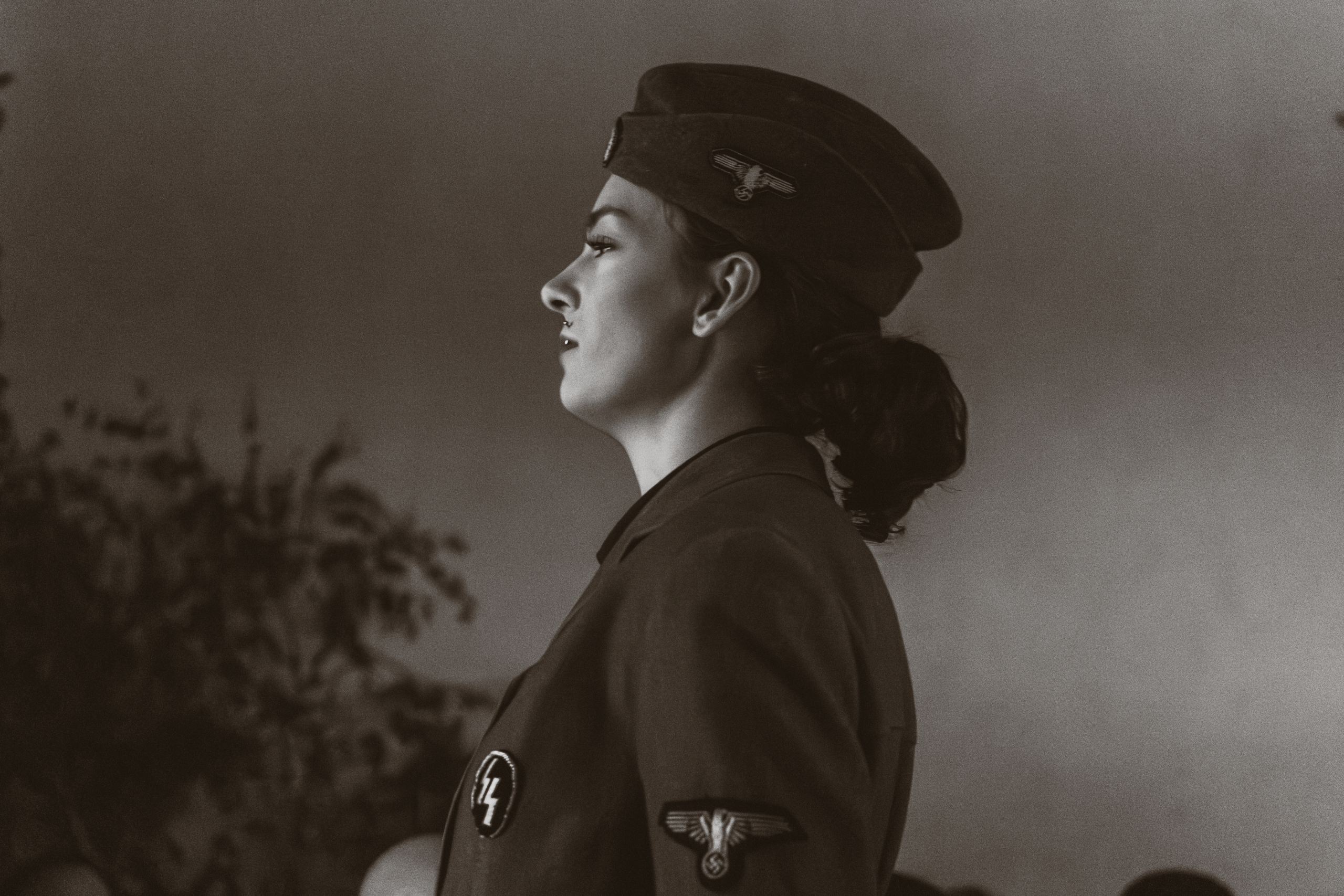
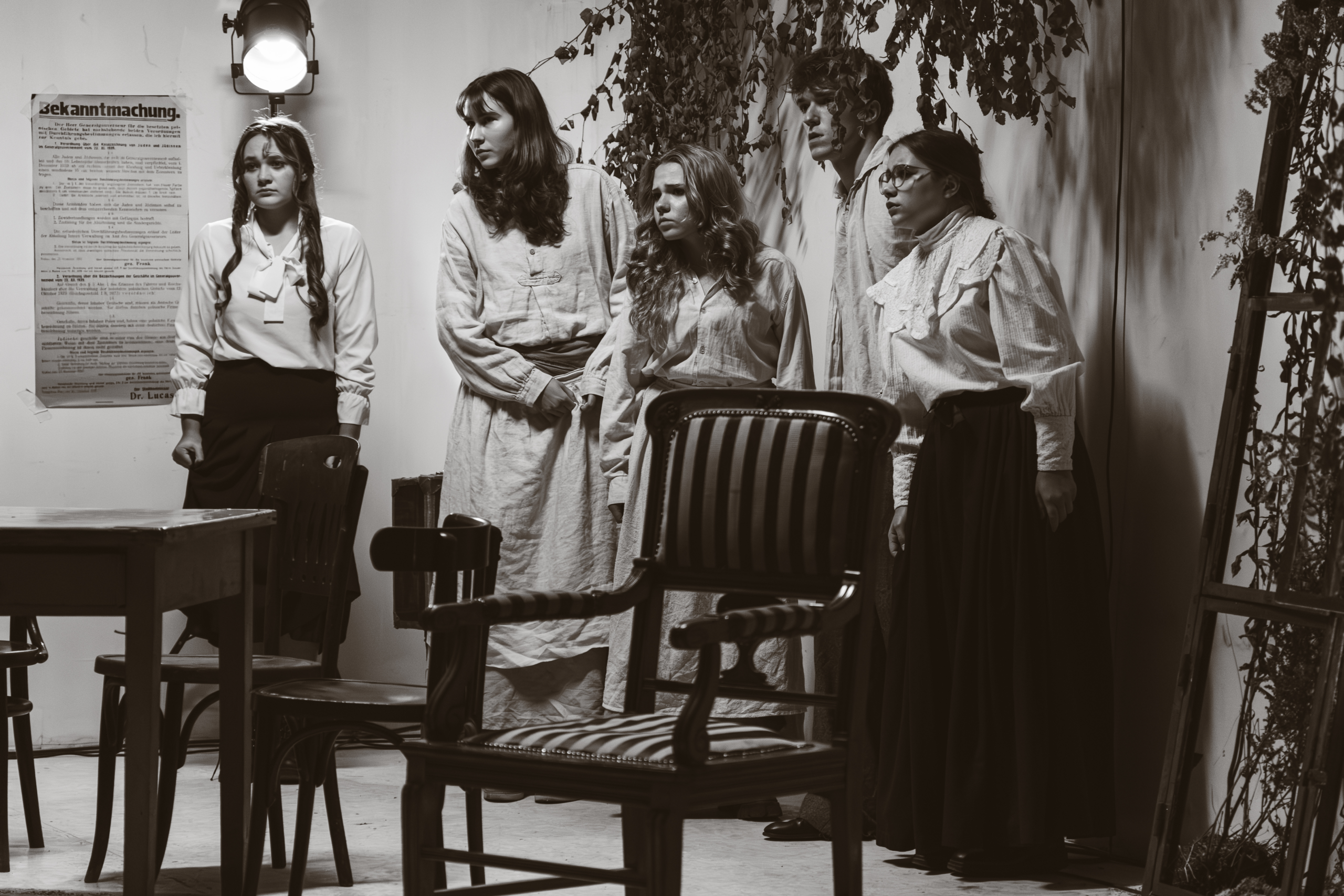
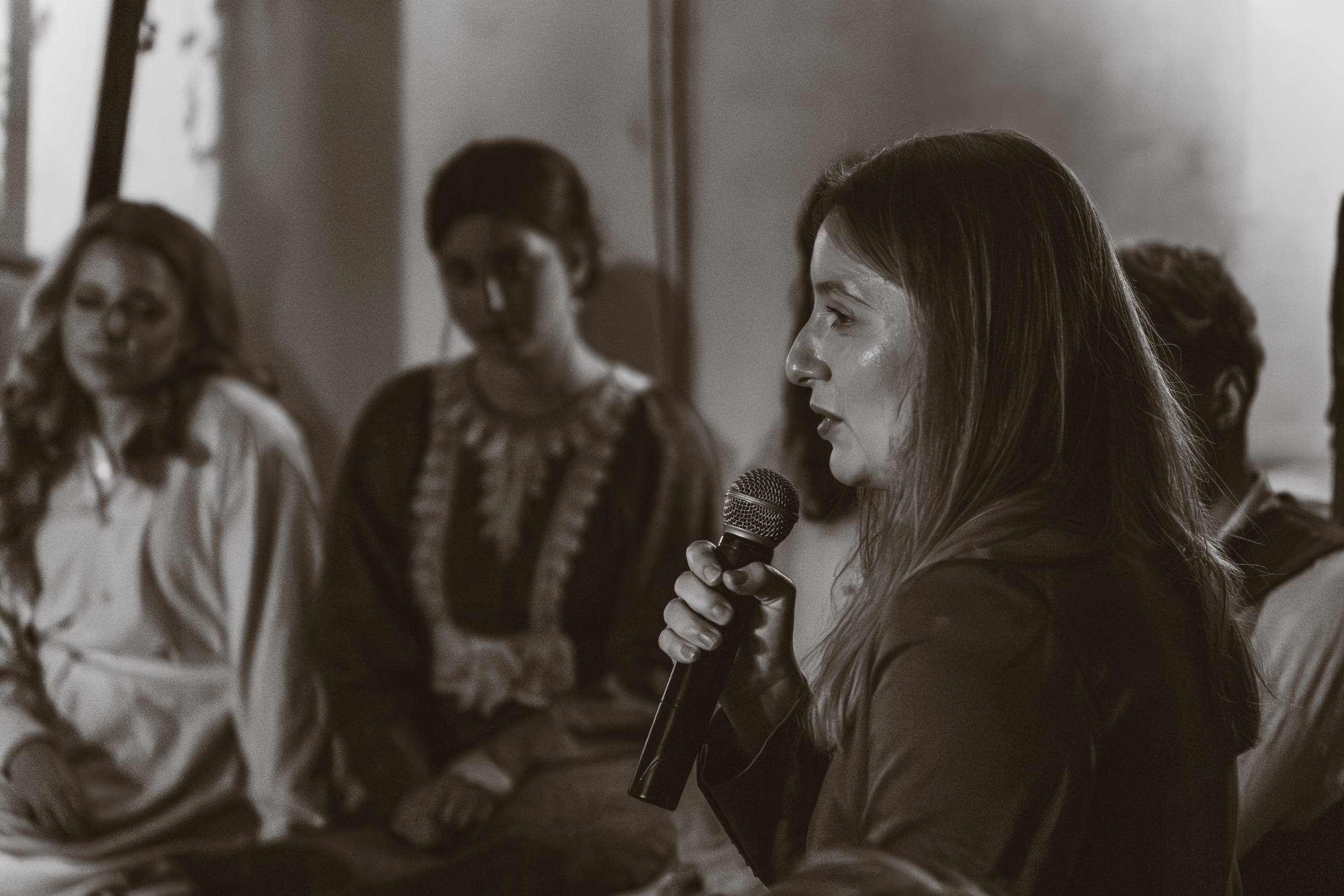
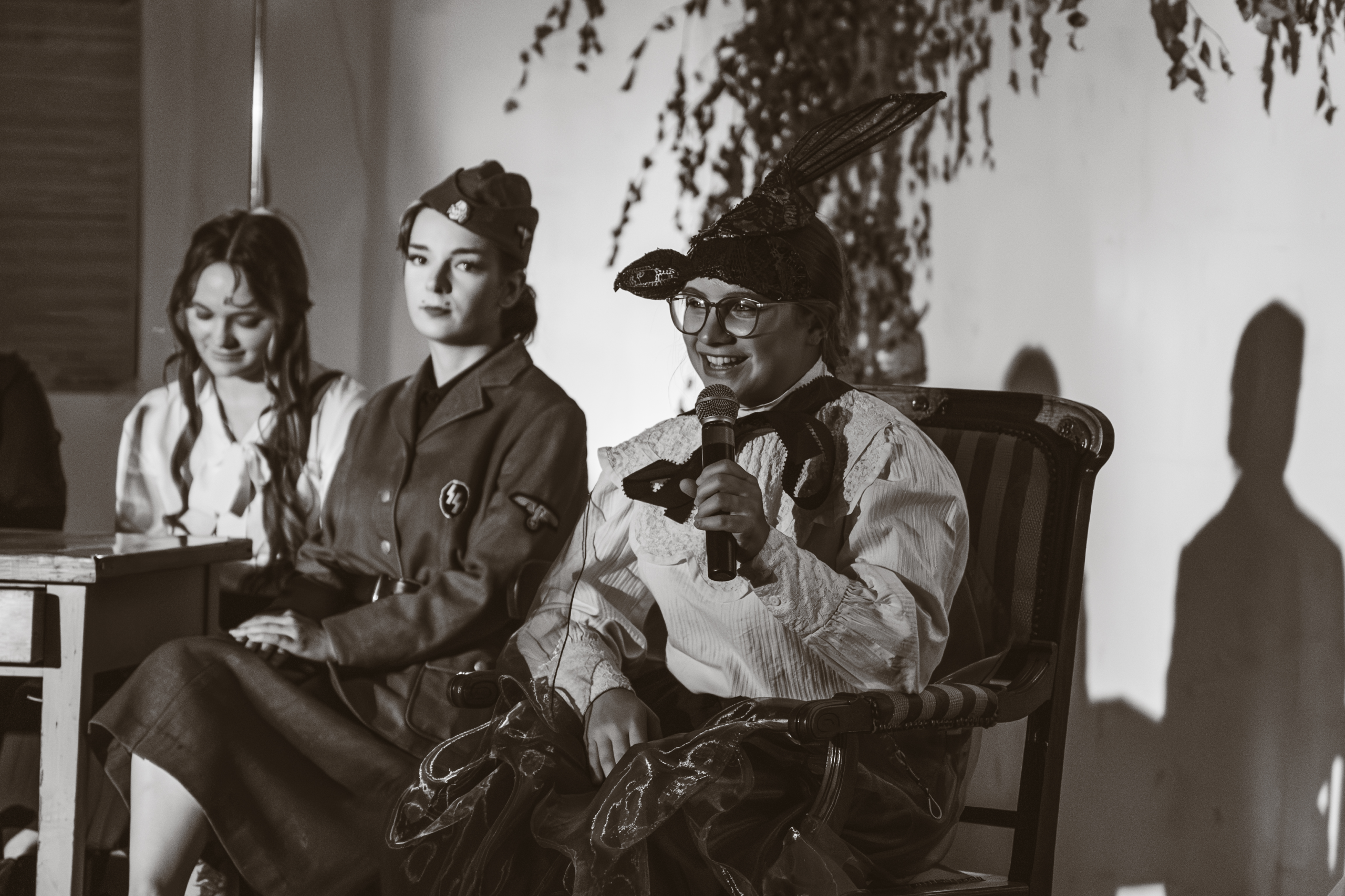
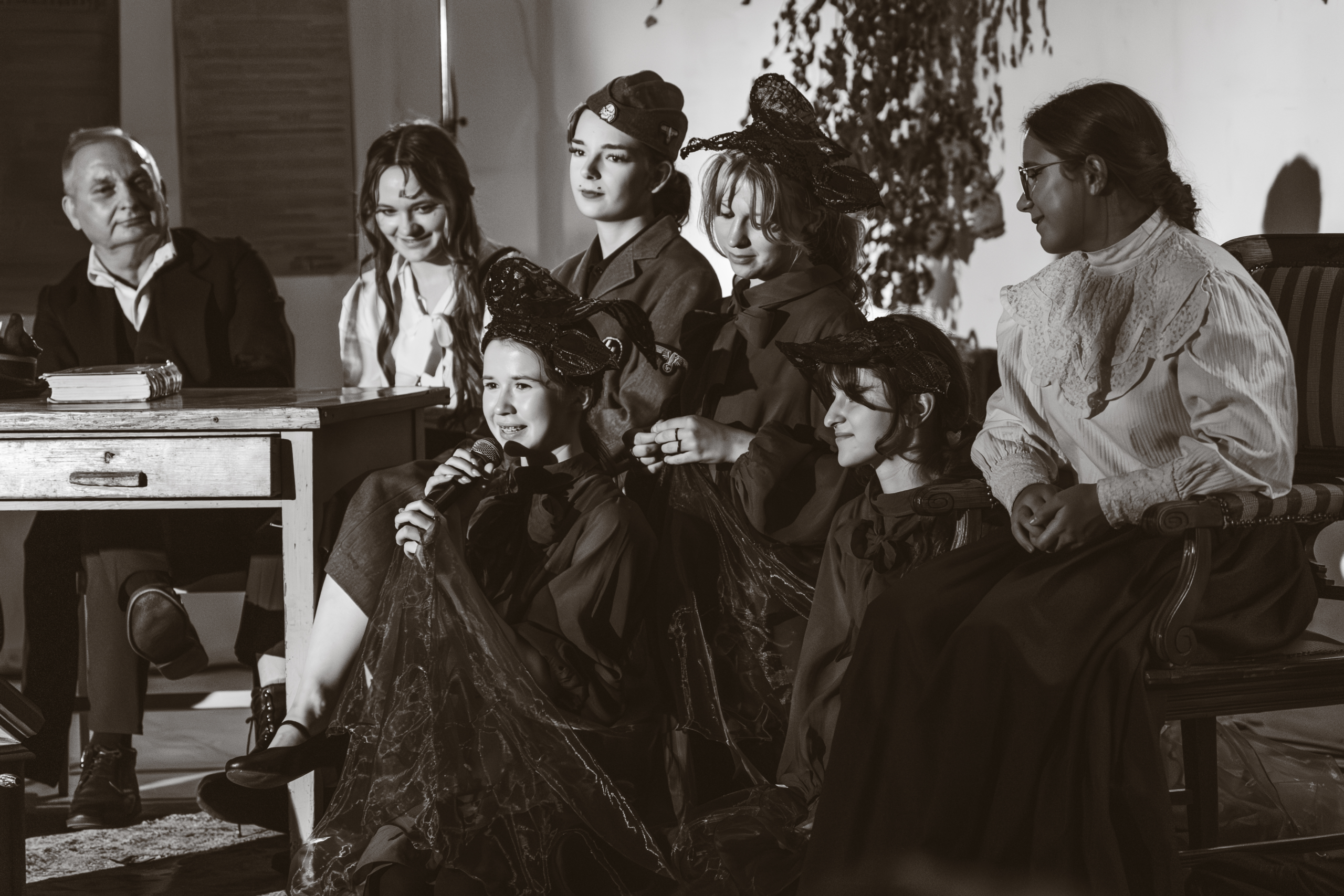
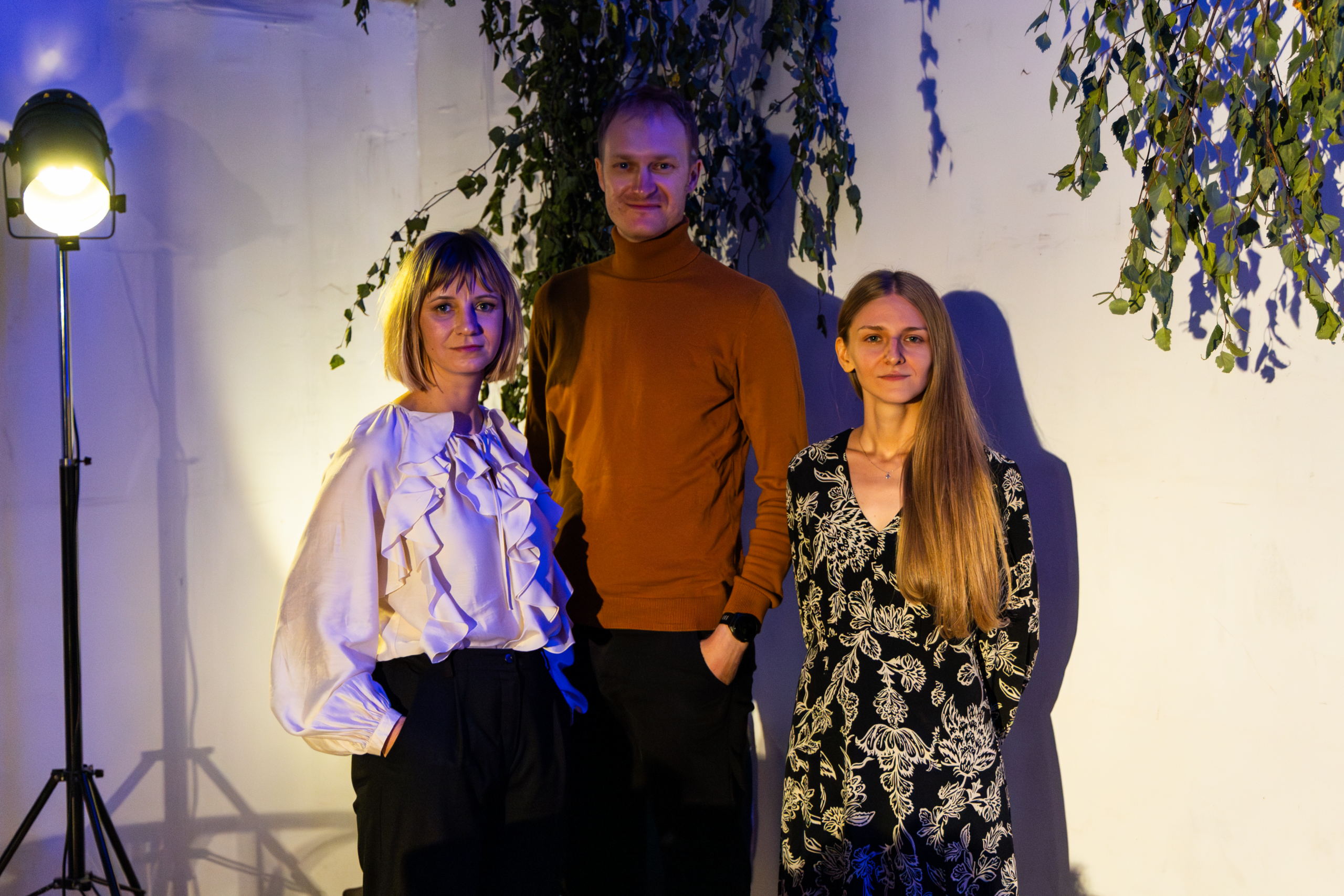
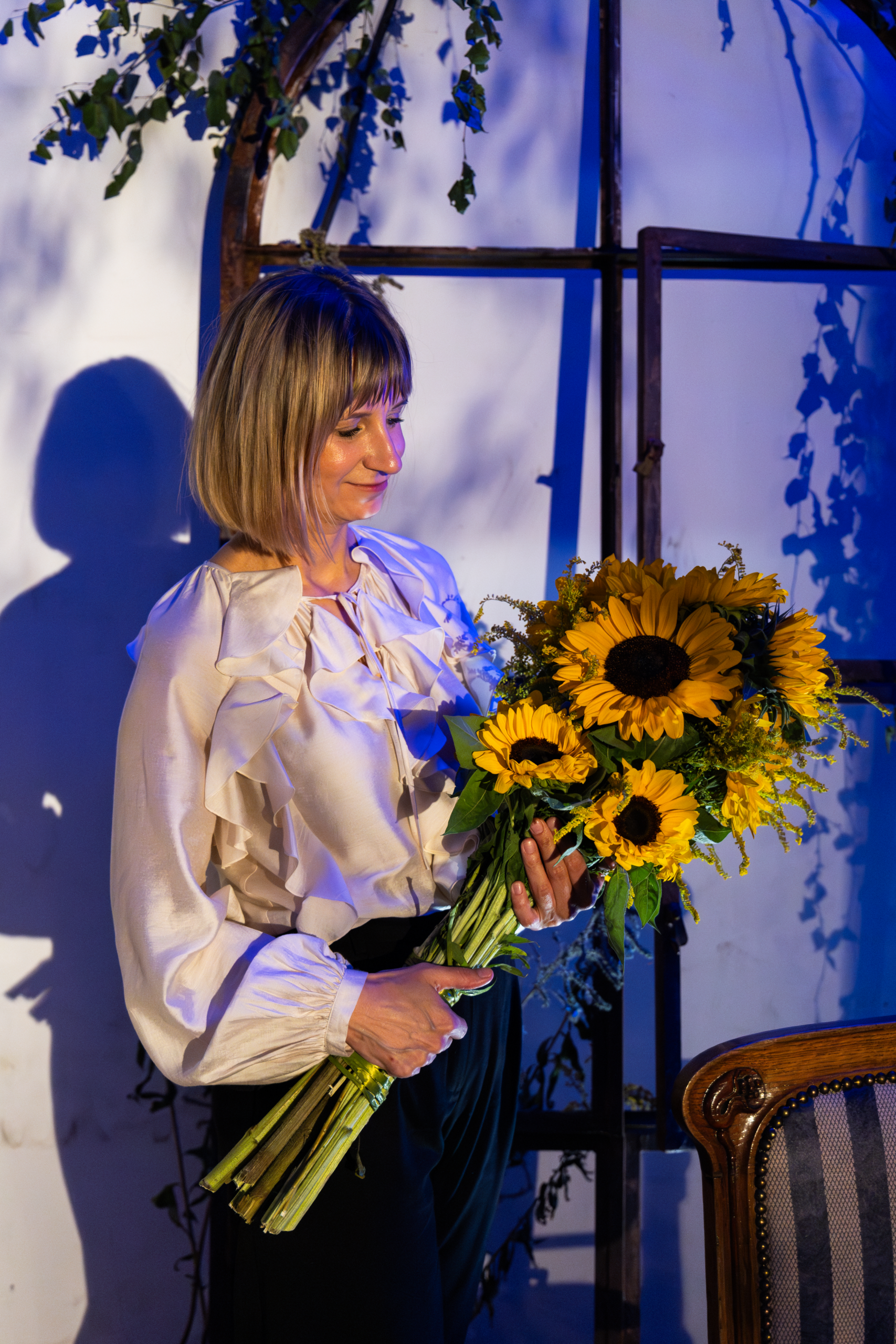
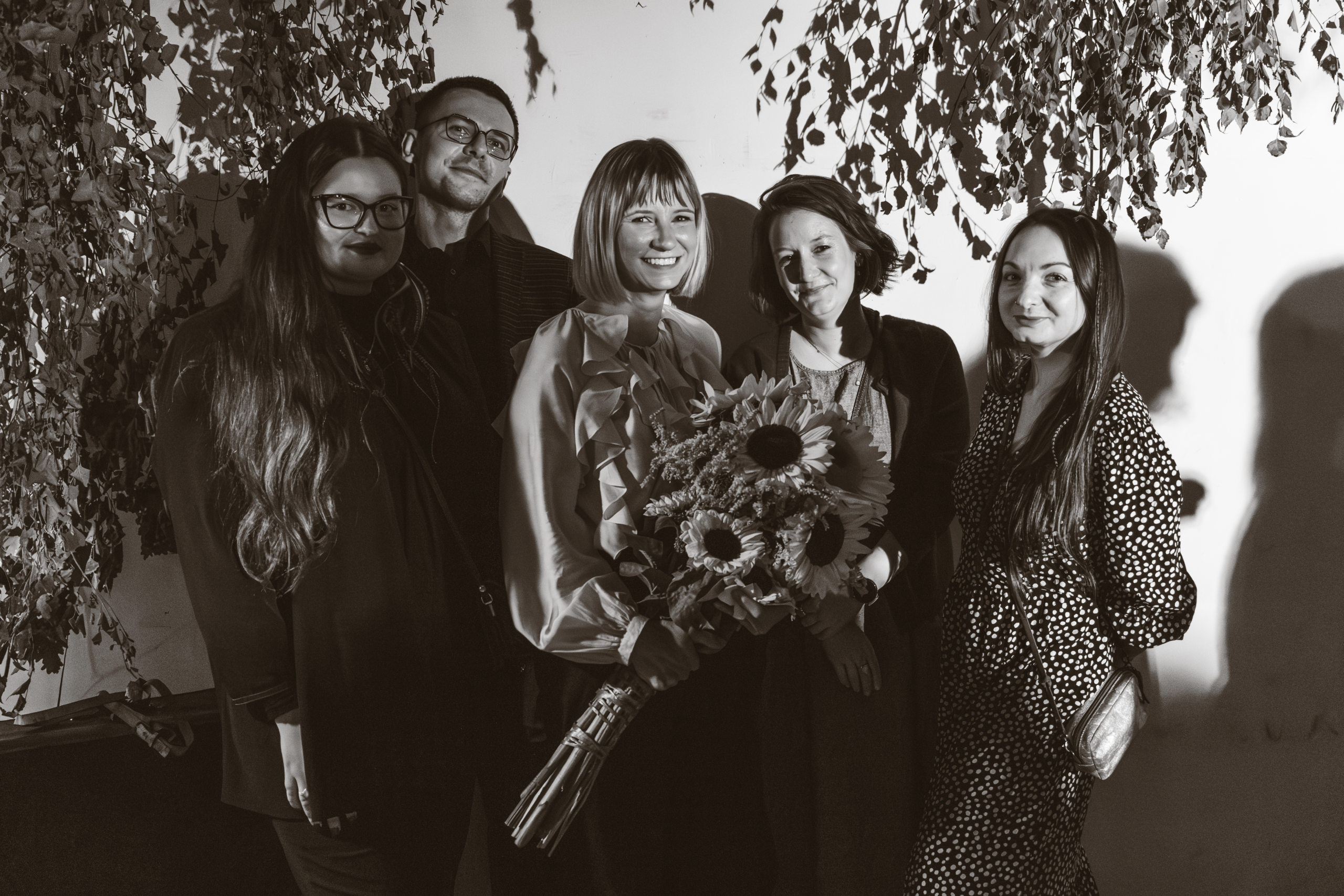
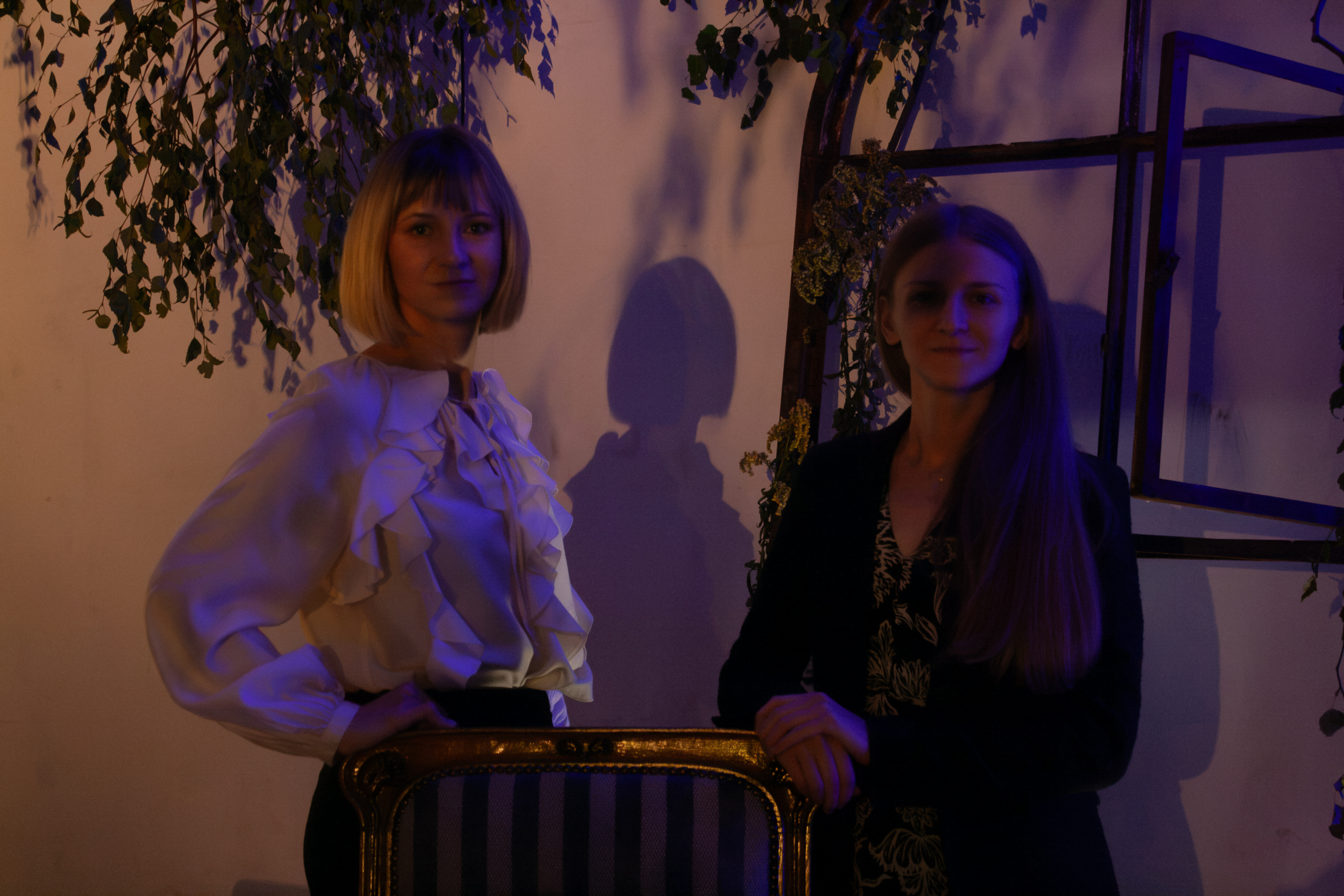
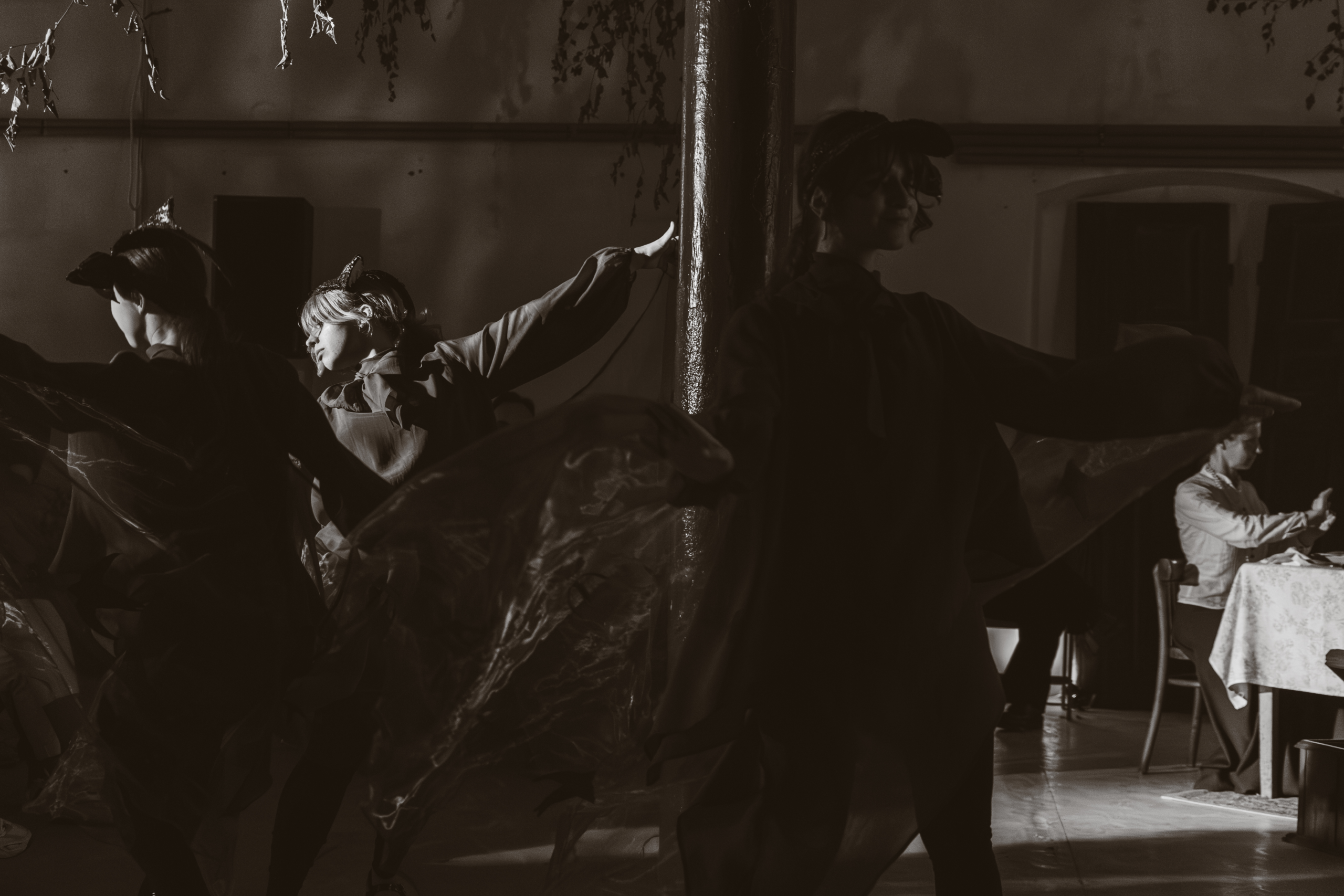
Backstage. Photo: Mateusz Majka

When Frieda Bornstein was born in 1885, Tomaszów was undergoing significant development – there was a boom in construction, the city’s main streets were paved with wide sidewalks, and a railway line was put into service. The Tomaszów wool industry was flourishing in those years; among the many new factories was the weaving mill of Dawid Bornstein, Frieda’s father. This mill produced coarse fabrics and cloth; the family lived in the city center at the time.
Frieda was the second child of Dawid and Sara. Herman was born first, followed by Frieda, and then: Pola, Salomon, Maurycy, and Zofia. At the turn of the 19th and 20th centuries, there were 9,330 Jews in Tomaszów – 46.7 per cent of the
town’s inhabitants, and among them the Bornsteins. In 1906, David and Abe Śpiewak purchased former factory plots near Wielki Staw (Great Pond), where the most thriving factories were located. The Bornstein Wool and Knitwear Mill began its operations, and the family moved into their new villa on Warszawska Street.
Shortly after the move, Frieda left Tomaszów. Her destination was Switzerland, where she began her studies at the University of Bern. The young researcher devoted her attention to birds, as evidenced by her dissertation On the Regeneration of Feathers and the Relationship Between Feathers and Scales, published in Berlin in 1911. However, before she received her degree, she faced several health problems and was therefore forced to interrupt her studies in Switzerland. For a time, she studied as an auditor at the Faculty of Philosophy of the Jagiellonian University until she resumed her studies in Bern.
Frieda Bornstein is a remarkable figure for many reasons. First and foremost, she is the first documented female student from Tomaszów. She studied at a time when access to higher education was limited, and for many people in the Russian partition, going abroad was the only option. Women had been studying in Bern since 1870. She developed her skills under the guidance of renowned researchers: zoologists, geneticists, physiologists, biologists, and ornithologists.

Patronage:



The project is co-financed by the Forum for Dialogue.

The project “Building a Network of Holocaust Educators in Poland” is supported through a grant provided by the U.S. Consulate General in Kraków.


Bądź pierwszym który skomentuje