

The play “Halinka”, directed by Justyna Biernat, was performed by students of Secondary School No. 1, formerly Gimnazjum Humanistyczne (Humanities Secondary School), and Tony Bernard, a son of the Tomaszów Survivor. Tony lives in Australia and the scenes featuring him were filmed when he visited Tomaszów in August 2025.
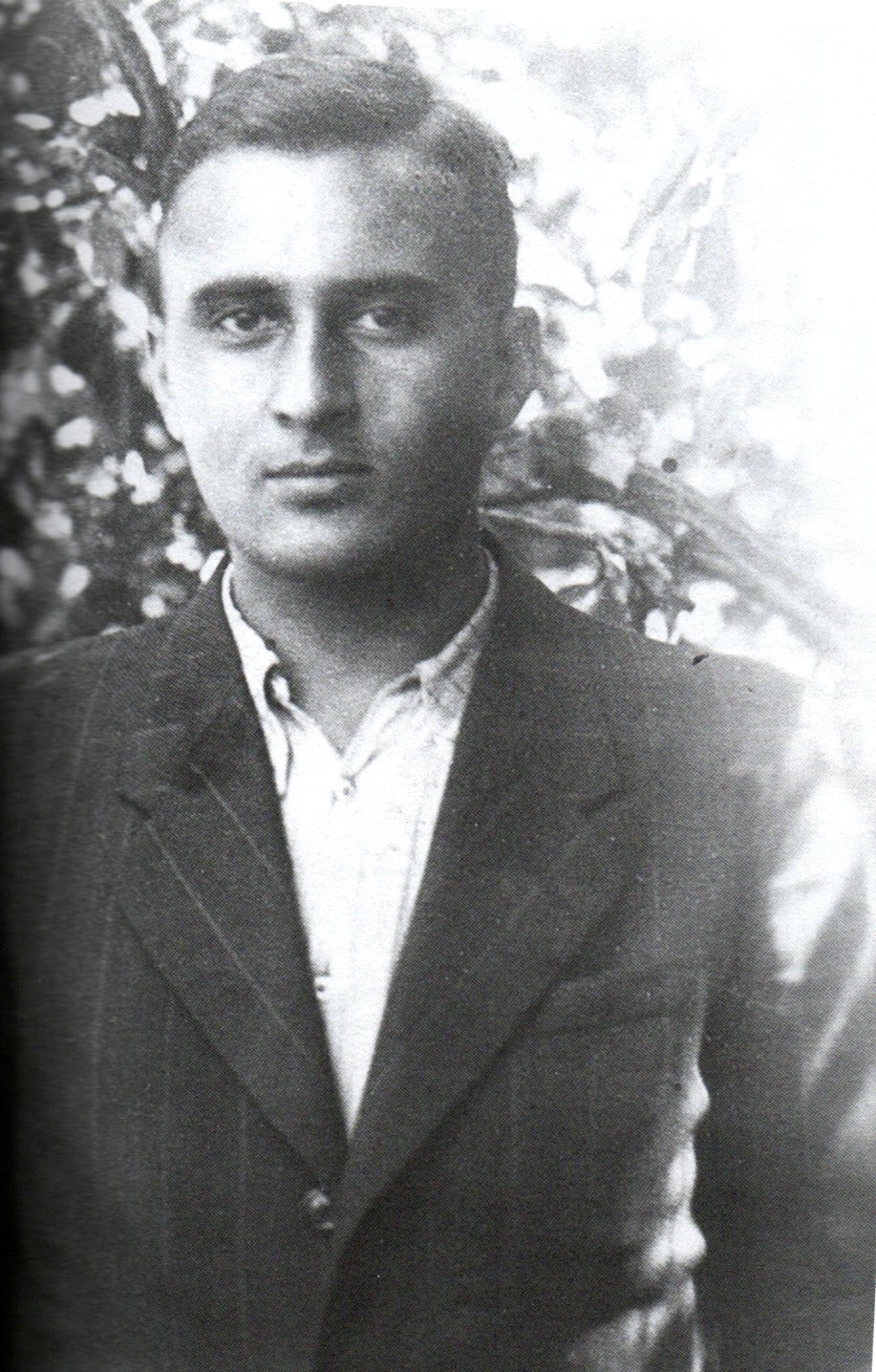
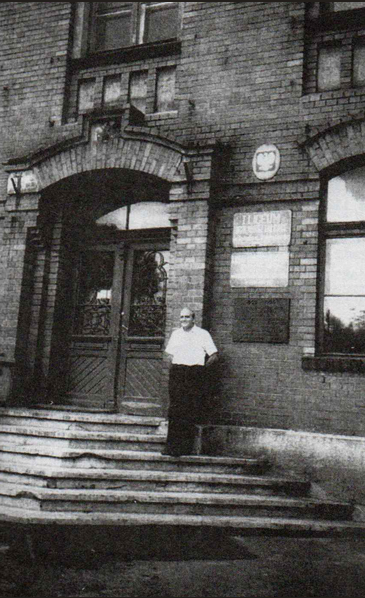
Tony Bernard’s father, Henryk Bierzyński, was a student at the Gimnazjum Humanistyczne. The play tells the story of Henryk’s class and his girlfriend, the titular Halinka. Tony played his fahter, while the students played Heniek’s schoolmates, as well as the faculty of the pre-war school.
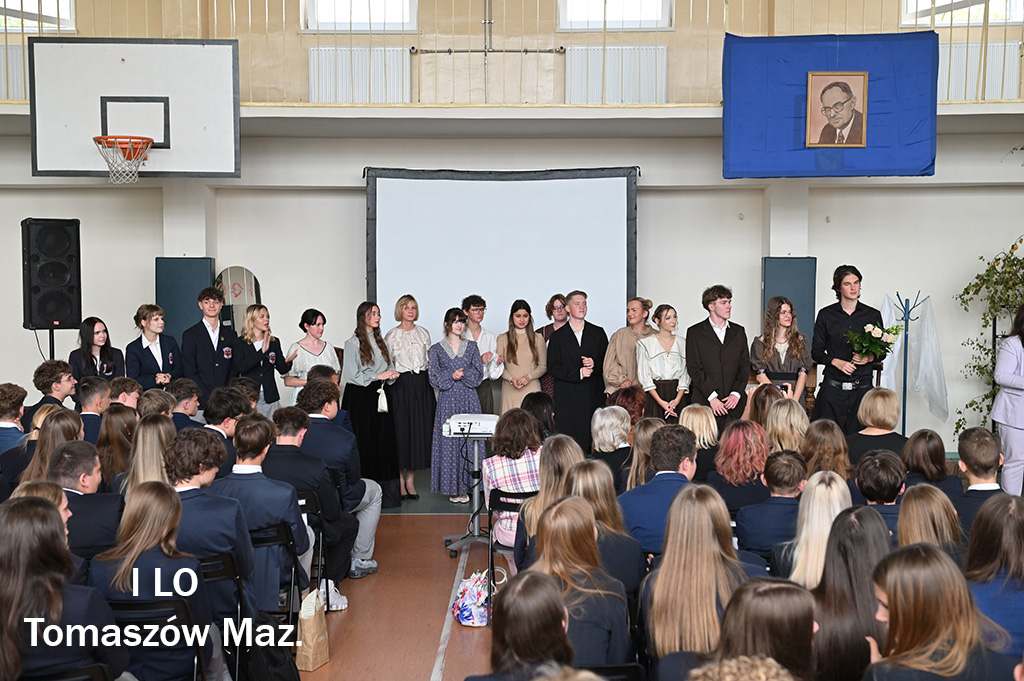
The premiere of the play took place during the National Education Day celebrations on 13 October 2025 at Secondary School No. 1 in Tomaszów Mazowiecki. An open show and a discussion with the audience moderated by theatre critic Dr Joanna Królikowska took place on 21 October.
The Spaces of Memory Foundation would like to thank the Principle of the Secondary School, Ms Ewa Męcina, for entrusting us with the task of preparing the performance.
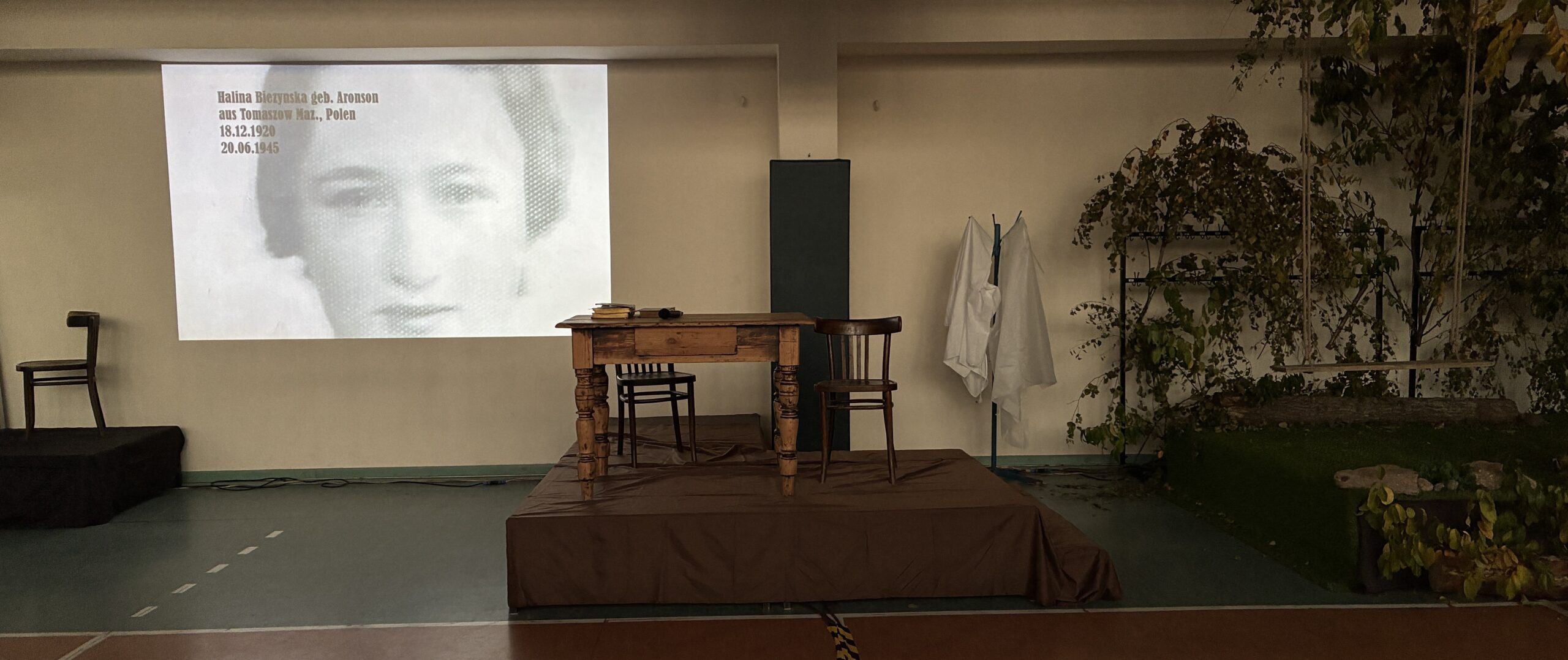
Written and directed by: Dr Justyna Biernat (Institute of Art, Polish Academy of Sciences, Spaces of Memory Foundation)
Cast: Tony Bernard as Henryk Bierzyński (Henry Bernard), Pola Buczyńska as Zofia Grębecka, Wiktoria Chudzik as Joanna Grunert, Julian Dobrzyński as Erwin Pallas, Paweł Goździk as Georg Boettig, Jakub Grzyb as Principle Adam Pawłowski, Julia Grzejszczyk as Halina Aronson, Kornelia Kawecka as Diana Rubin, Mateusz Majka as Tadeusz Grębecki, Julia Pabianek as Bronka Rajgrodzka, Zuzanna Stępień as Lydia Boettig, Magdalena Rytych as Roma Kartuz, Oliwia Włodarczyk as Aniela Neufeld-Nowicka
Video: Barłomiej Błędowski
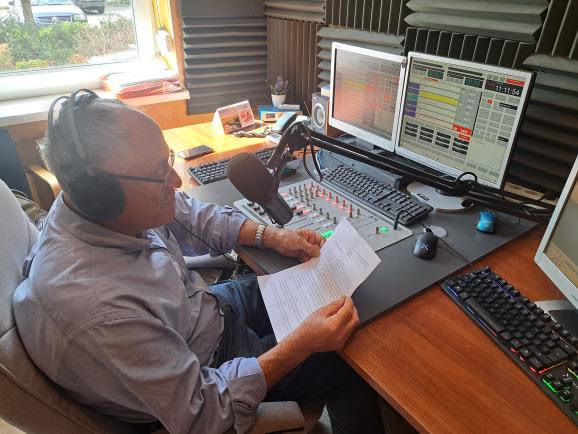
Audio: Emilia Kleszczewska and Radio Fama
Set design collaboration: Tomasz Dorociński, Aleksandra Kulis, Rafał Sobczak, Magdalena Pawelska, Zofia Zielńska, Duch Puszczy, Arkady Gallery
Sound system: Alan Dumin, Adam Grałek, Antoni Krotosz, Norbert Owczarek, Paweł Śliwiński
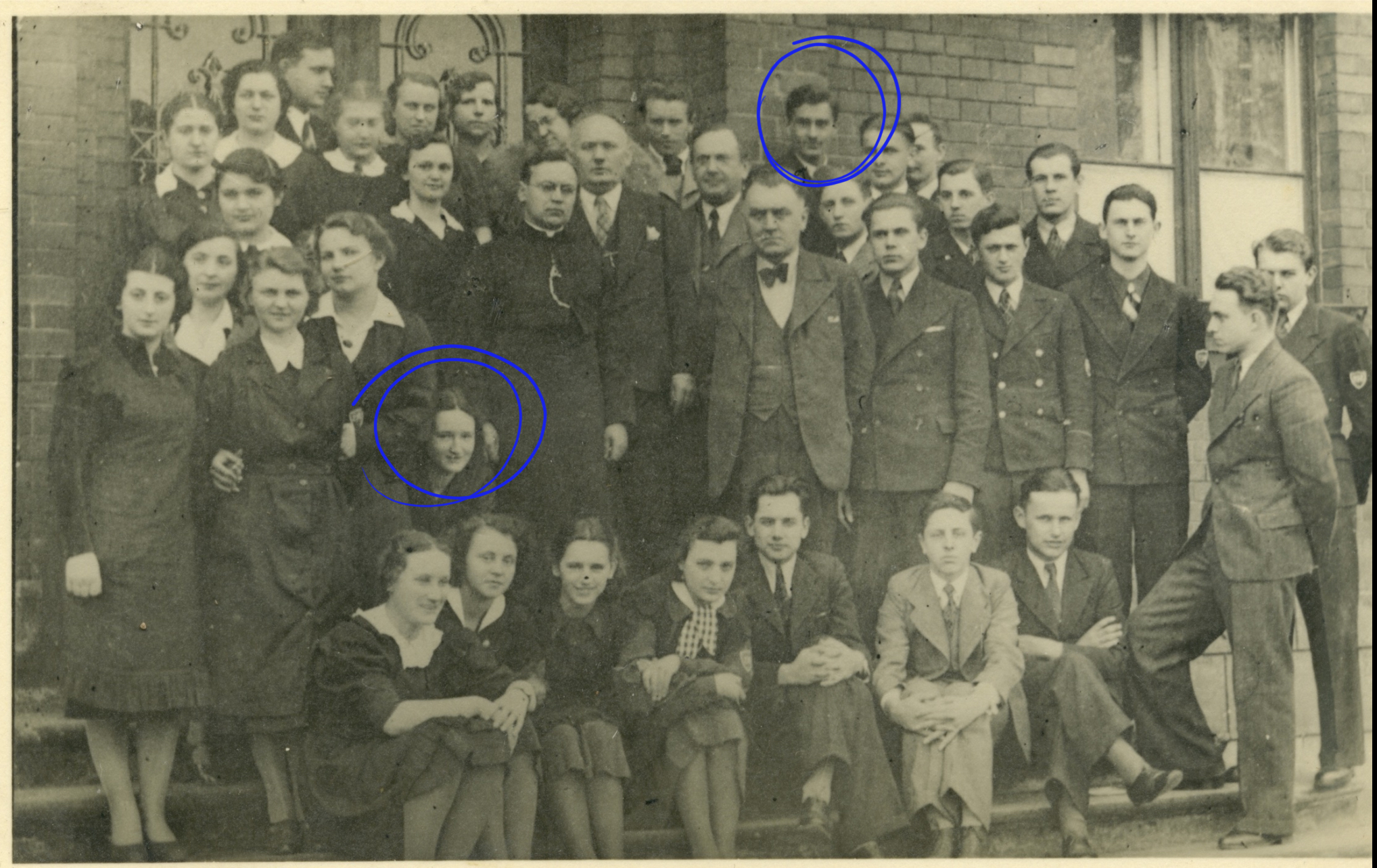
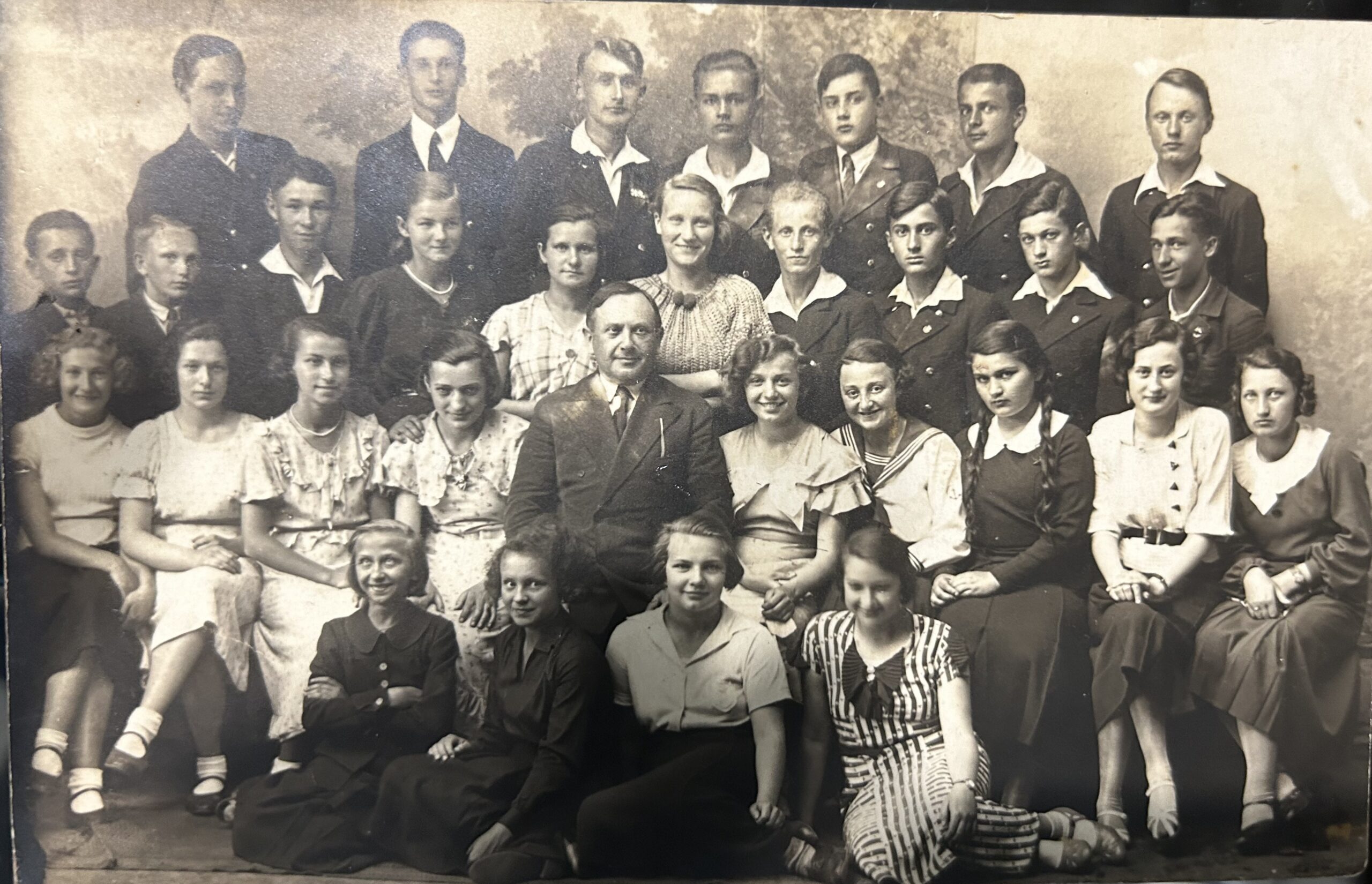
It is 1938, at the Gimnazjum Humanistyczne in Tomaszów Mazowiecki. She is barely visible in the final class photo, hiding among her friends. Her boyfriend is standing in the back row, looking directly at the camera. Both have cheerful expressions on their faces and are smiling gently.
Who is the girl in the old photo?
She is the daughter of a Jewish industrialist from Tomaszów, the best student in the secondary school, and an art lover. A longing for youth.
Halina’s story in the play is told by her boyfriend, Heniek. He recalls the story as a Holocaust survivor, many years after the memorable class photo was taken.
Heniek’s stories mention the Bornstein villa, where the titular Halina lived with her cousin Bronka Rajgrodzka. Bronka was in the same class as Halina and Heniek, as was her boyfriend Erwin Pallas. Heniek’s school memories also feature Lydia Boettig, with whom he shared library duties, and Lydia’s brother Georg. He also mentions his classmates, Joanna Grunert and Diana Rubin (who left their signatures on the back of the photo), and teachers: senior teacher Aniela Neufeld-Nowicka, Polish language teachers Zofia and Tadeusz Grębecki, and the Princile Adam Pawłowski. Heniek also mentions Roma, Halina’s sister – this character opens and closes the performance.
After passing his school-leaving exams, known as matura, Heniek left to study medicine in France, while Halina went to Warsaw to study art history. Just before the outbreak of the war, they returned to their hometown. The war set drastic boundaries – the Bornstein, Aronson, Rajgrodzki, Rubin and Bierzyński families were resettled to the ghetto. Heniek, together with his brother and parents, moved into the home of his teachers, the Grębeckis, while they, together with their son, moved into the Bierzyński family home at 8 Antoniego Street.
Halina Aronson and Henryk Bierzyński were married on the day of the Tomaszów ghetto’s liquidation, 31 October 1942, at 5 p.m. They managed to arrange a meeting with Icek Warszawski, who performed their religious wedding ceremony – the last one in Tomaszów Mazowiecki. Warszawski, along with approximately 15,000 Jews from the Tomaszów ghetto, was deported to the Treblinka extermination camp.
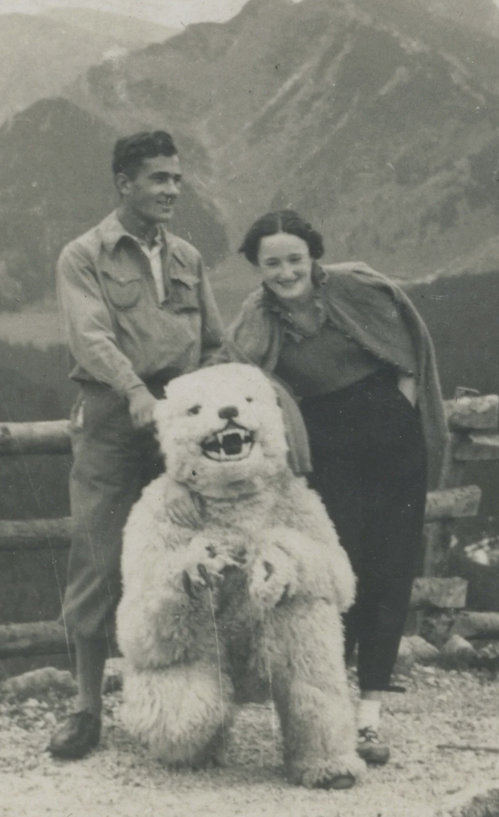
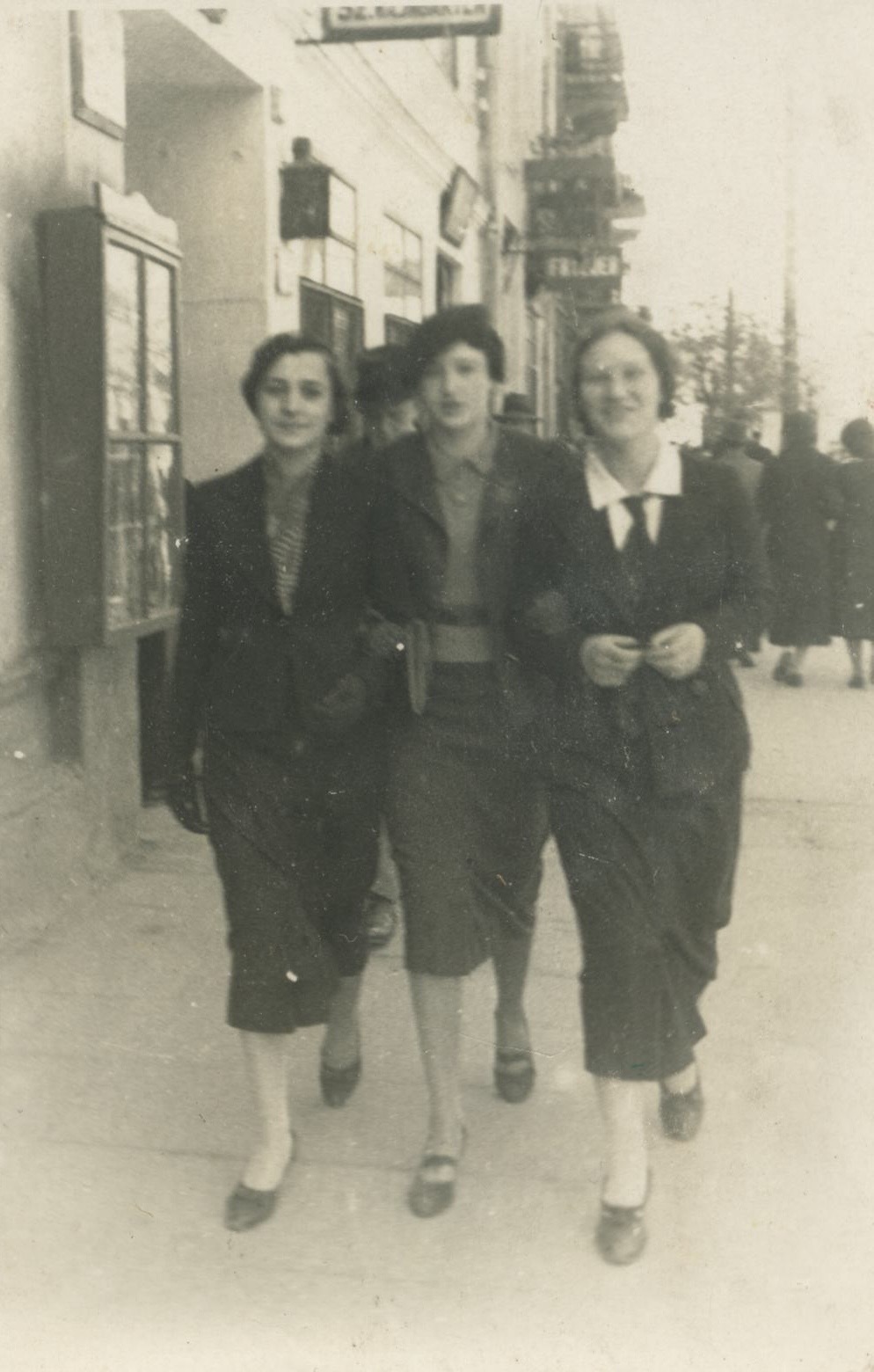
Only a small part of the Jewish community remained in Tomaszów in what was known as the “small ghetto”, from which they were subsequently deported to various labour camps (Bliżyn, Starachowice, Pionki).
Heniek does not directly appear in the play. The stage is a space for his memories – school experiences, emerging love, medical ambitions, longing and war trauma. Heniek took up a position as a policeman in the Tomaszów ghetto, but he left this job during the deportation of Tomaszów Jews to Treblinka. He lost his mother then; his father had died of typhus a year earlier.
Heniek survived the war, but he did not get to meet Halina. They were separated by the war. Halina died a month after the liberation of Neustadt-Glewe, where she was staying with her older sister Roma and her mother Zofia Bornstein.
After the war, Heniek emigrated to Australia with Roma and her mother. There, he started a family, had three children and worked as a doctor. Roma and Zofia settled in New Zealand.
Tony Bernard, who played his father, also became a doctor. He works as an emergency doctor at Northern Beaches Hospital in Sydney. Tony visited Poland and Tomaszów many times with his father. After his father’s death, he published his memoirs (“The Ghetto Policeman: The Story of Dr Henry Bierzynski”) and his own book, revealing the search for his roots (“The Ghost Tattoo”).
In the play, the characters on stage become a visualisation of the narrator’s memories and thoughts, an offstage voice. The worst memory is Georg Bettig, a Gestapo officer during the Nazi occupation. Heniek was the key witness during the 1970 trial in Darmstadt against Bettig, who was sentenced to six years in prison for his crimes.
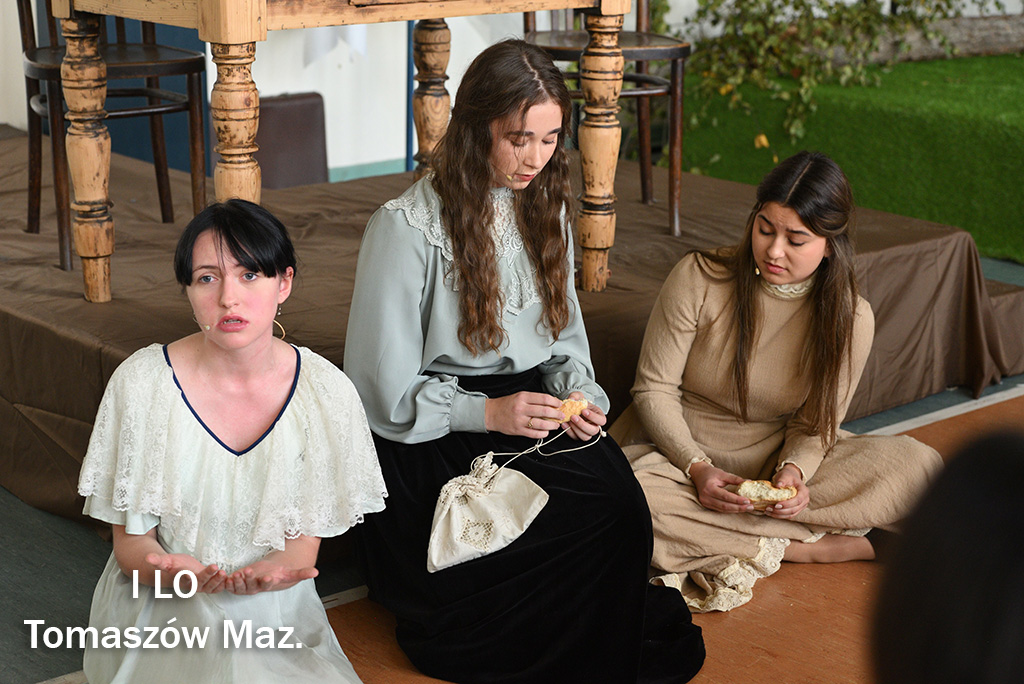
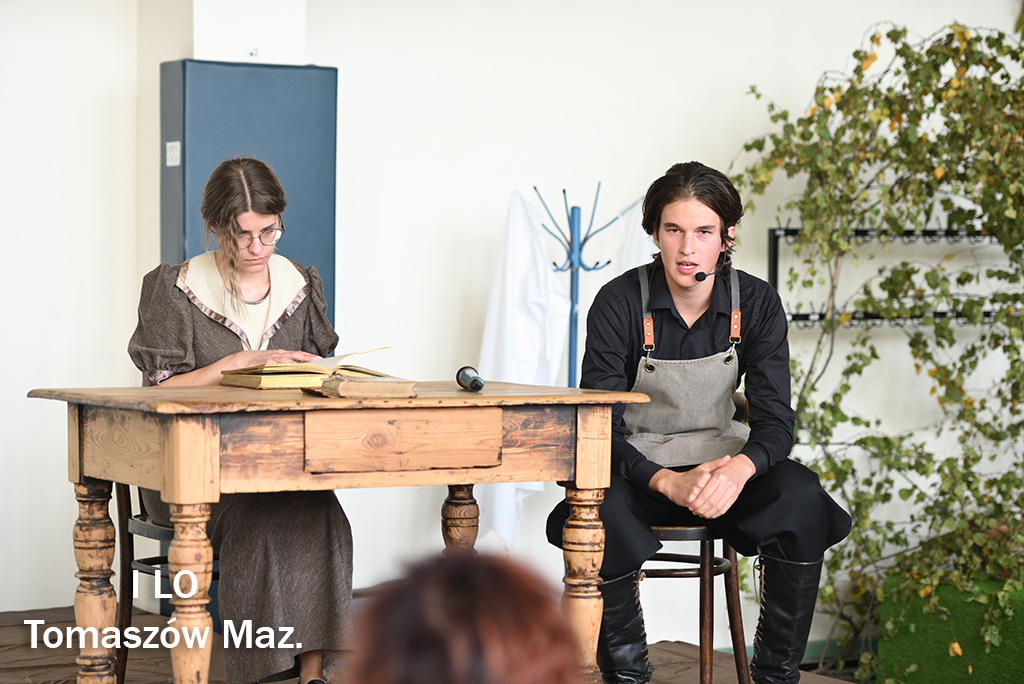
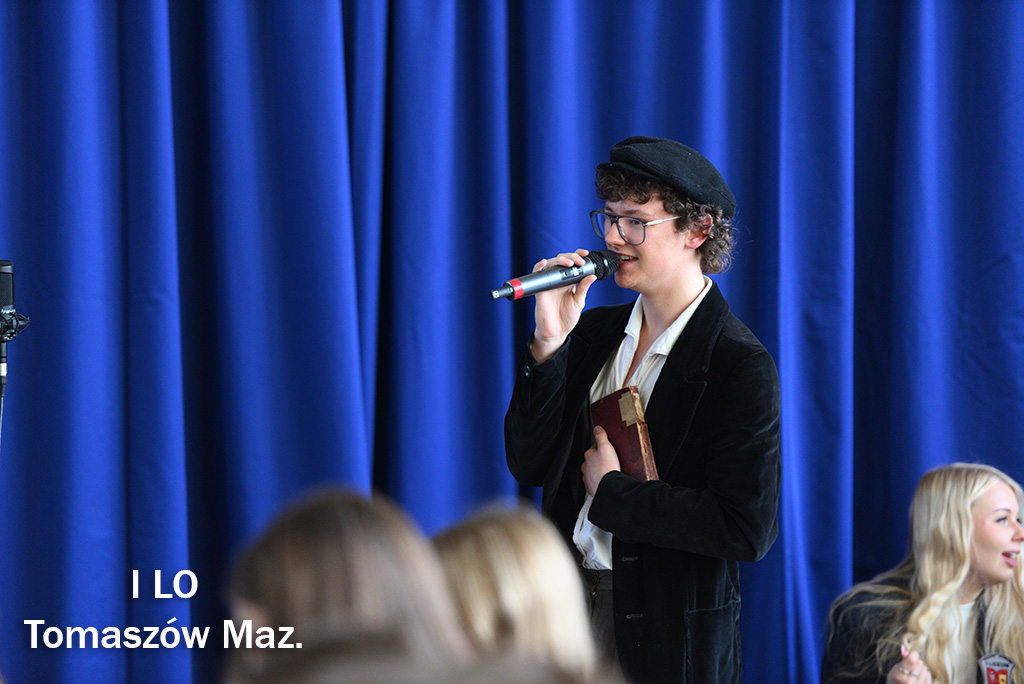
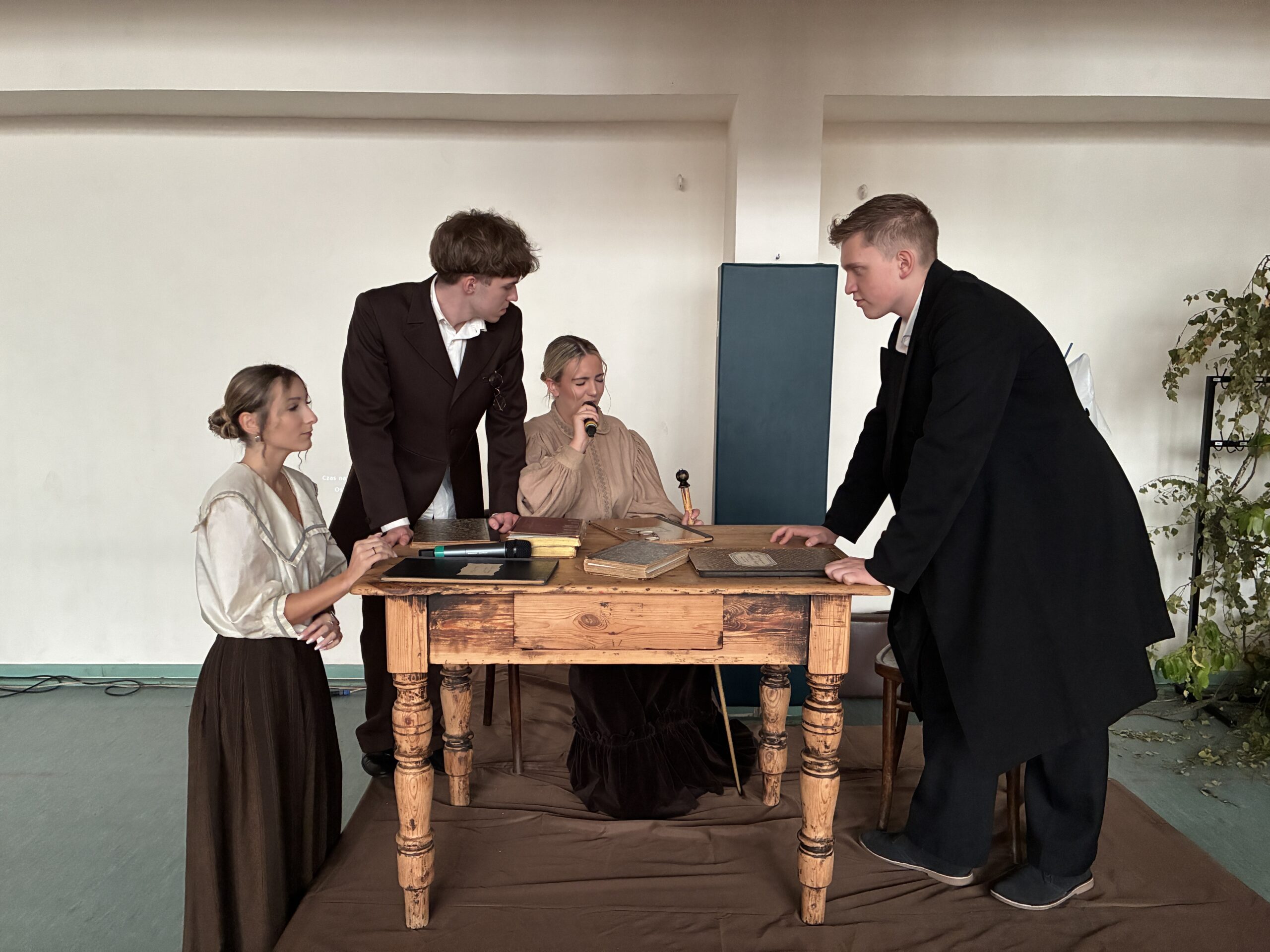
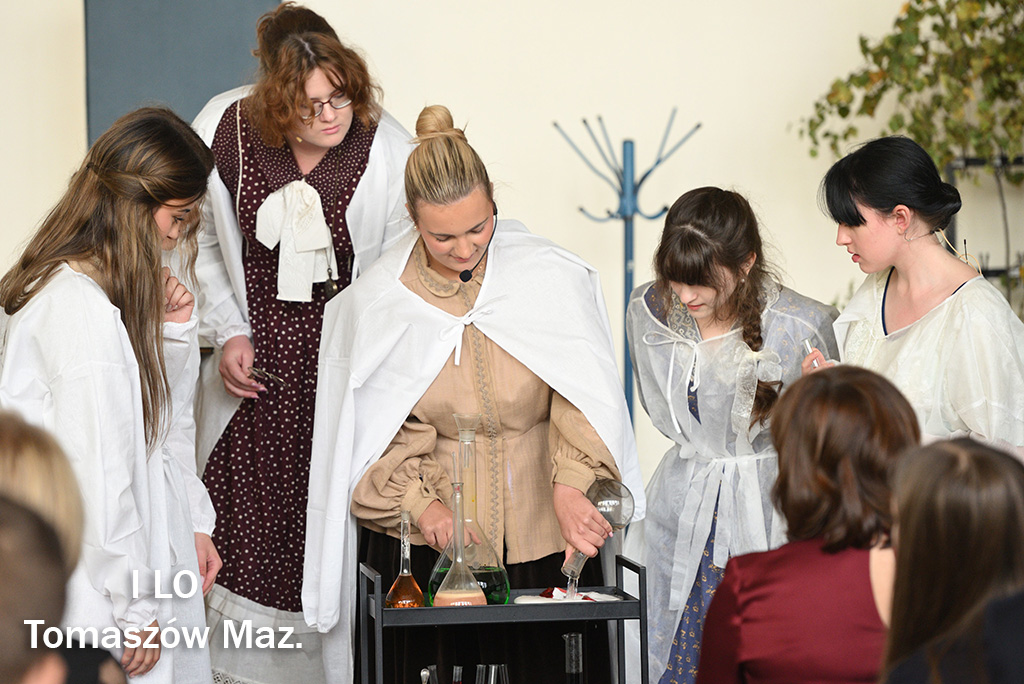
While working on their roles, the actors and actresses received archival materials: registration files, applications for identity cards, photographs and notes on historical figures. The narrative framework of the play is provided by Henryk’s post-war memories, and the language of youth used on stage is the poetry of Julian Tuwim. His wife, Stefania Marchew, came from a Tomaszów Jewish family.
The performance uses pre-war school diaries from the Gimnazjum Humanistyczne, a pre-war book belonging to the Bierzyński family, and a pre-war wooden table from Zakościele – the place where Tuwim spent his dream holidays as a young boy and where his love for Stefania was born.
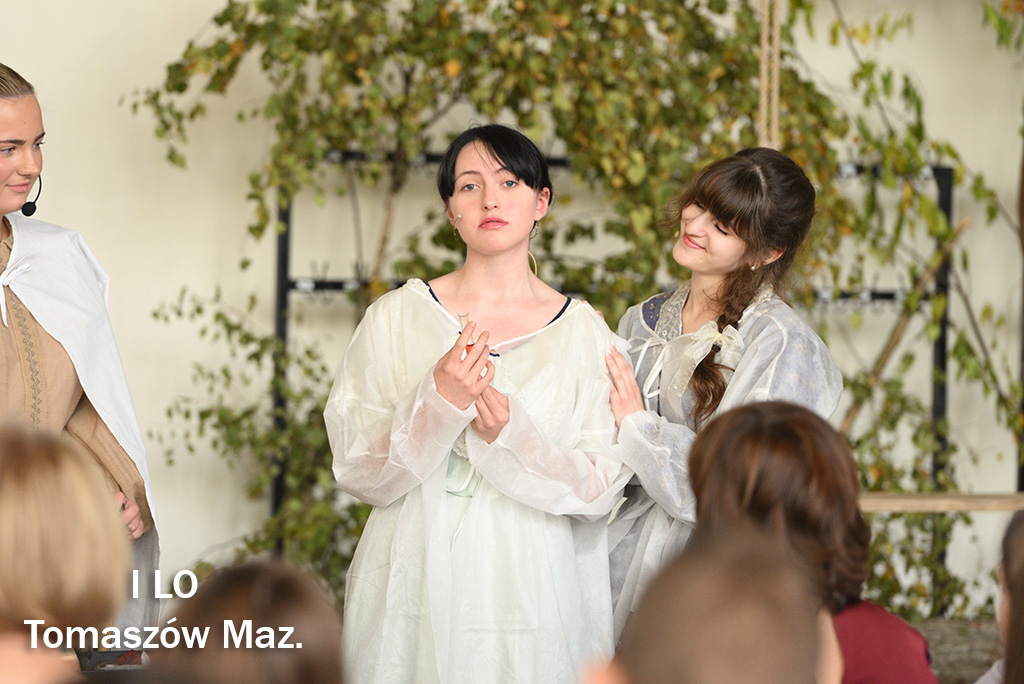
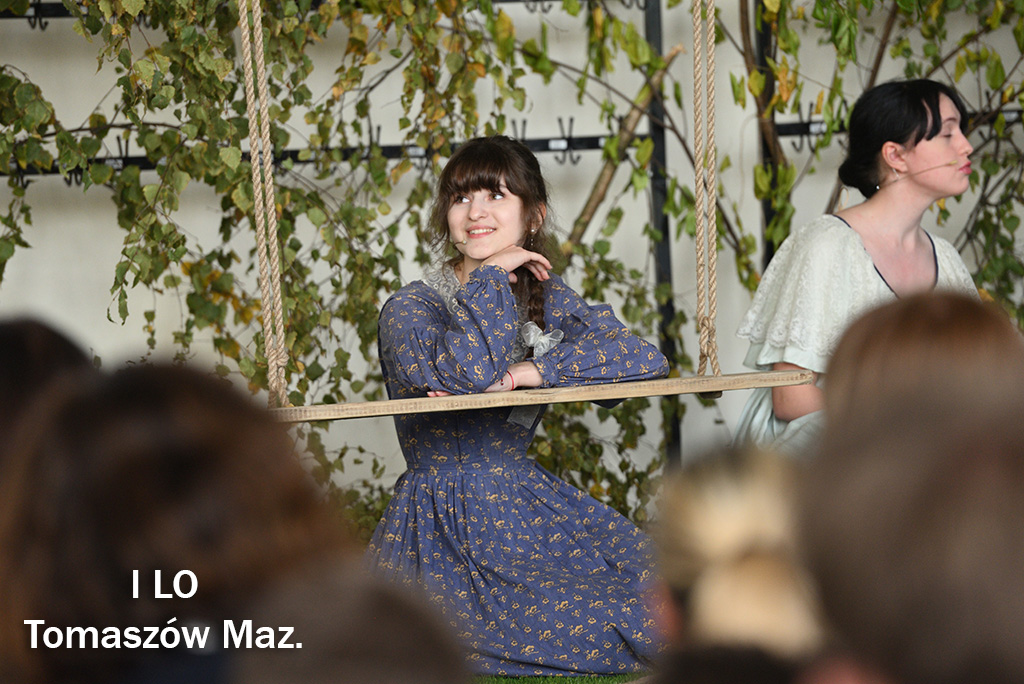
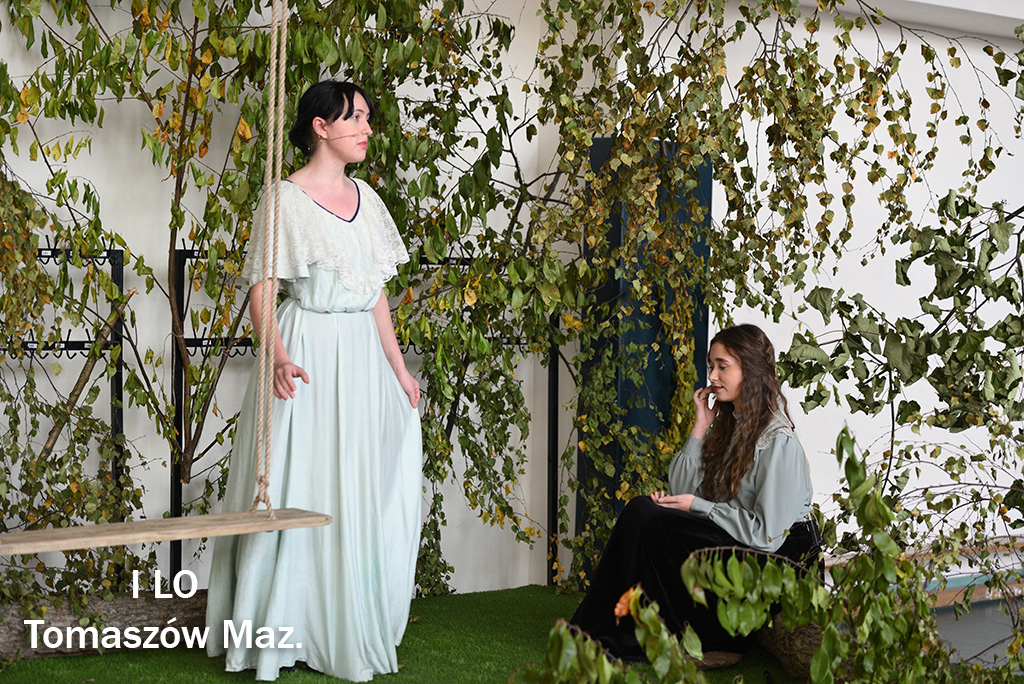
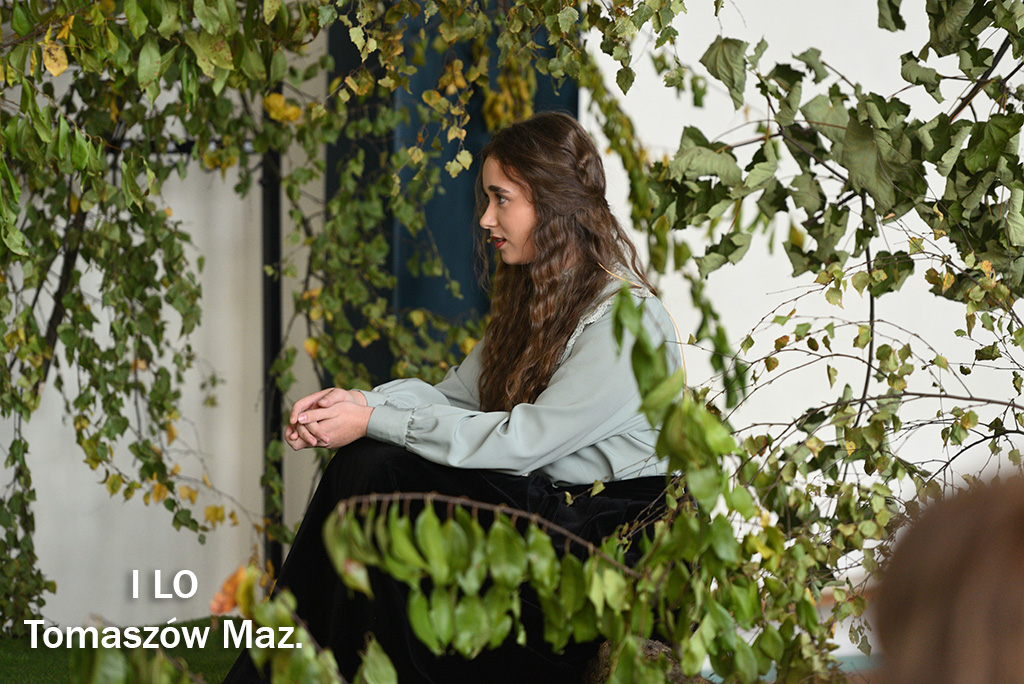
The central space of the performance and the heart of the set design is a forest: grass, tree trunks, stones and pine cones, forest chandeliers. A handmade wooden swing was placed in the forest. Tuwim’s metaphors, rich in greenery, found their visualisation, and the forest became a locus amoenus – a place of love and longing. As the events on stage unfolded, it took on mortuary functions, filled with despair and death. The natural landscape absorbed every story and made it eternal with its unfading memory.
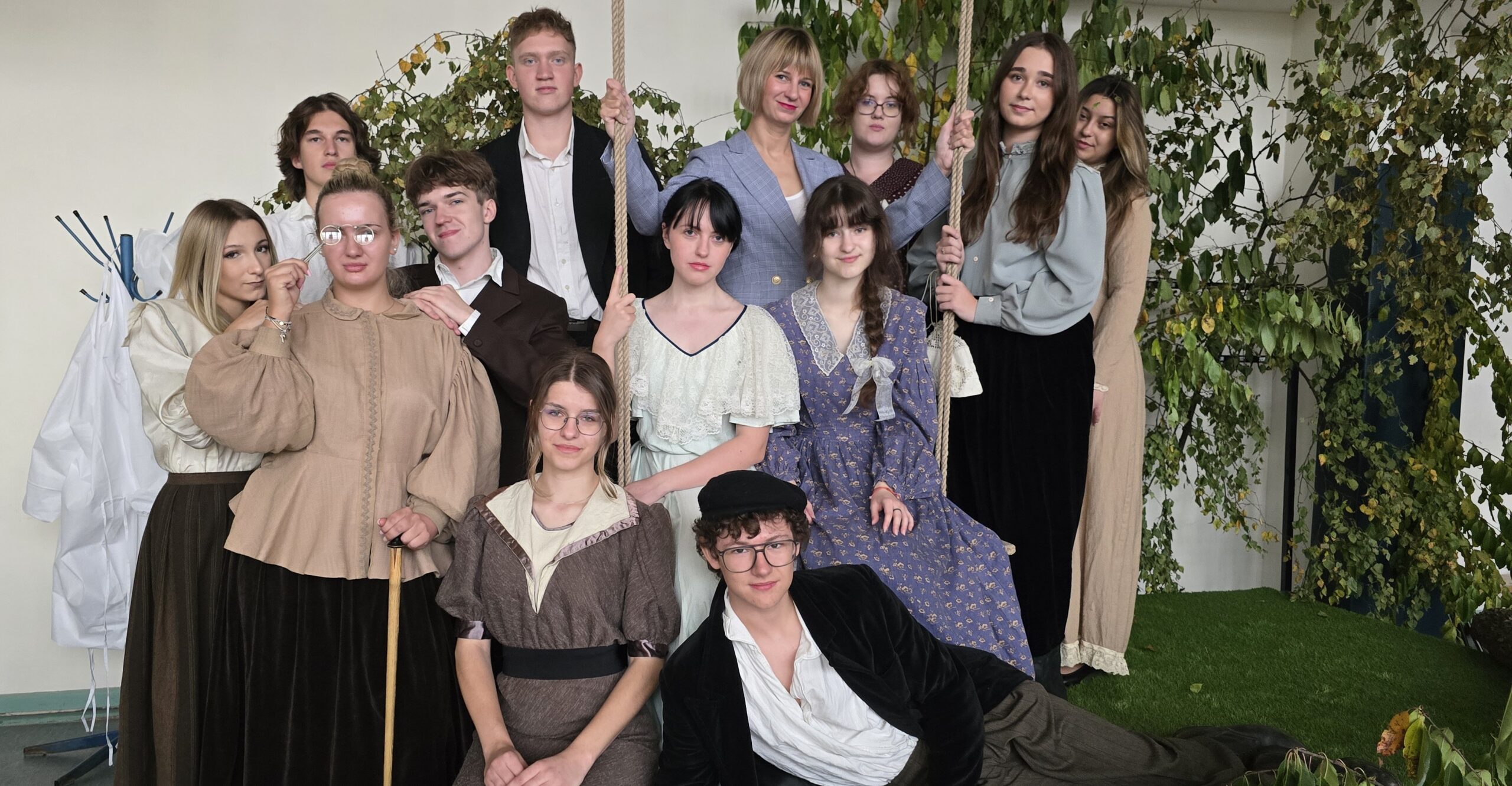
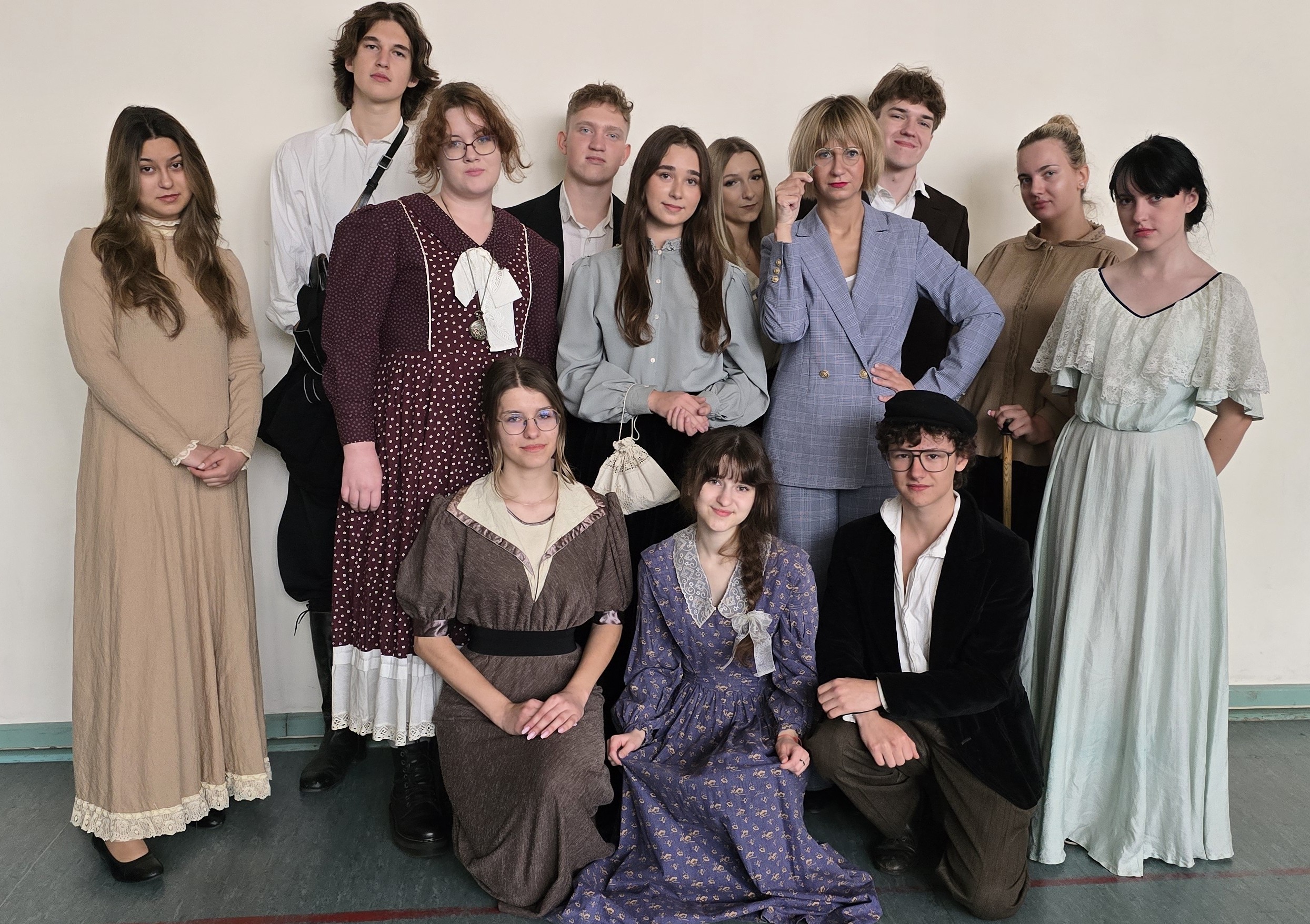
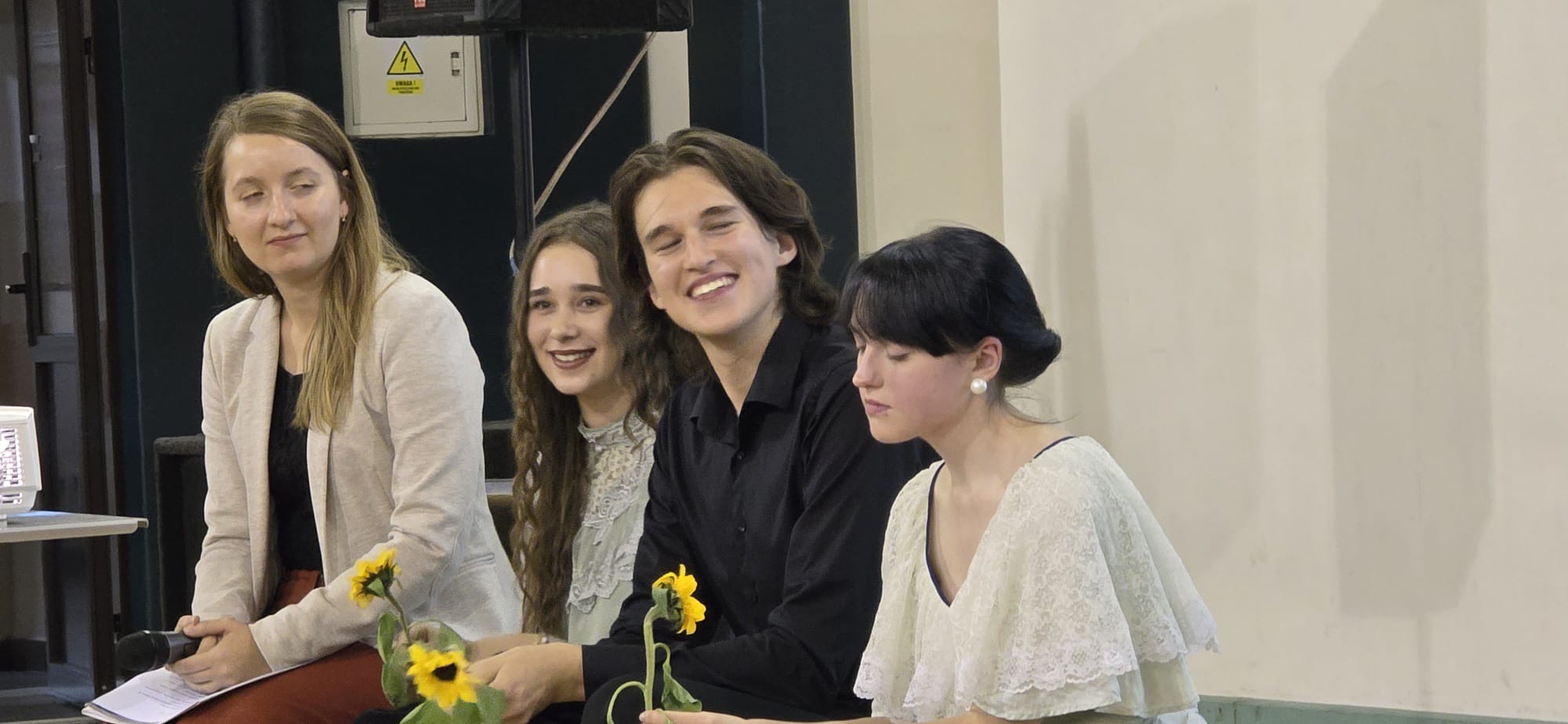
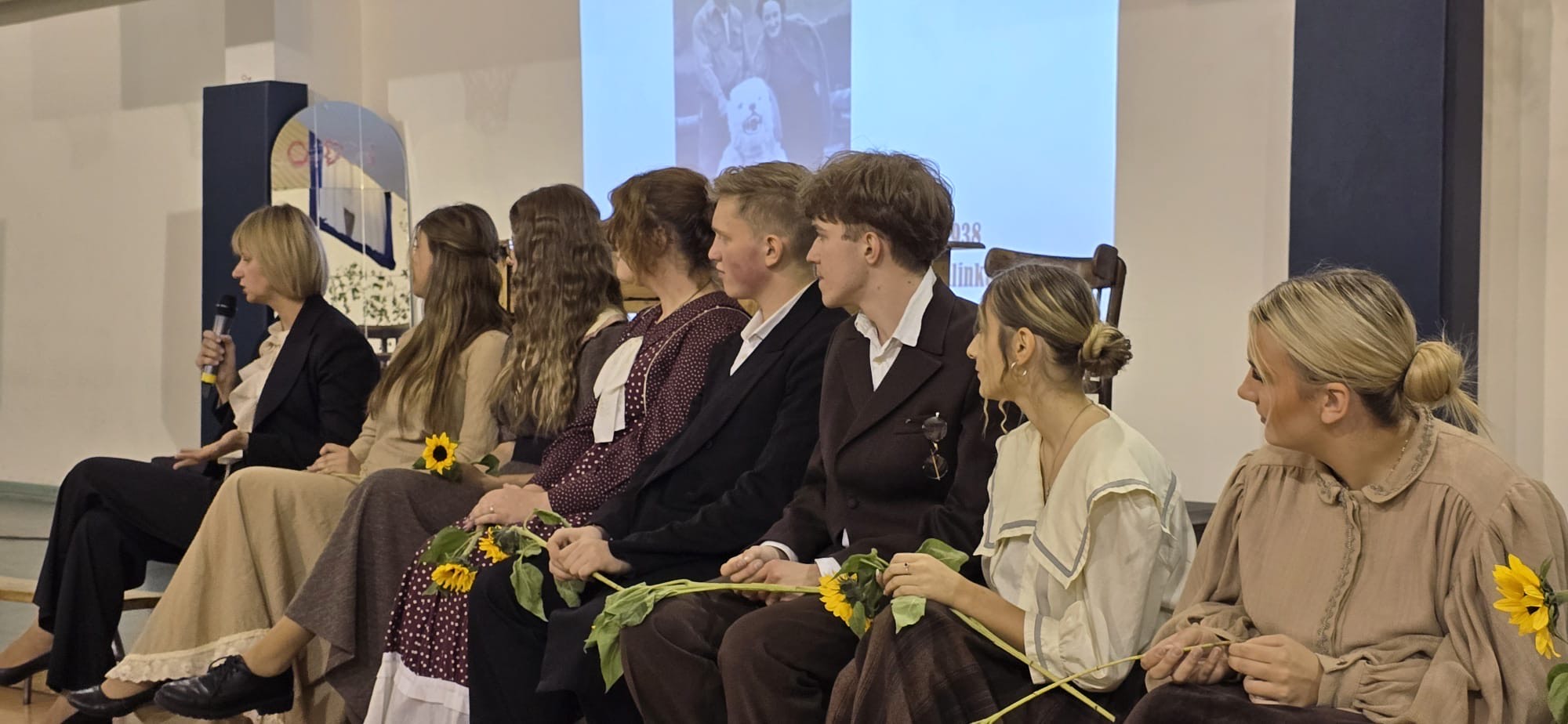
A note by Dr Joanna Królikowska:
“Halinka” is primarily a play about youthful love, tragically interrupted by the events of war. Students from the secondary school in Tomaszów play their peers who are experiencing their first serious feelings. It is a bridge between the past and the present – the universal experience of first love. A story from 80 years ago materialises in young people who, after all, also fall in love, dream and plan their lives and futures, just like Halinka and Heniek. The characters in this story are only distant in time, but emotionally close. The second link is the place – the story of Tomaszów is told in Tomaszów by the people of Tomaszów, in the very same school that the characters in the play attended, and which is now attended by the students playing these roles. This could probably be turned into a spectacular Hollywood film, with a huge budget and famous names in the cast, targeting wide distribution and high profits. Instead, the result is an intimate, poetic play set in the local community, preserving the memory of the people of Tomaszów and entering into dialogue with the place and its inhabitants. Perhaps this is how stories from our own backyard should be told – with an awareness of who is speaking to whom and why.
-
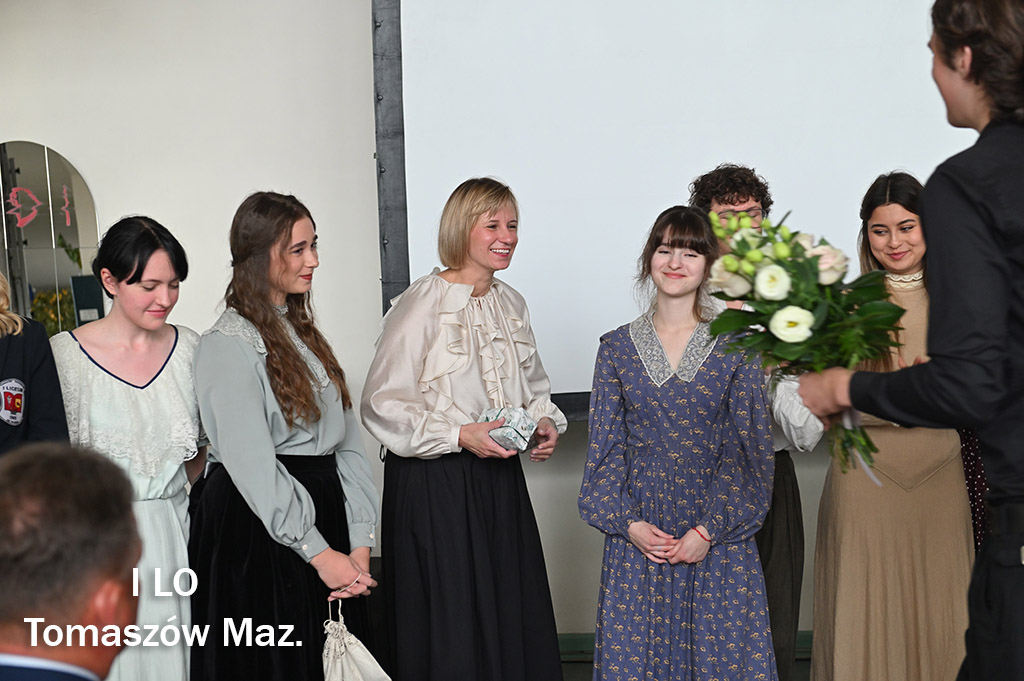
- One of the final scences
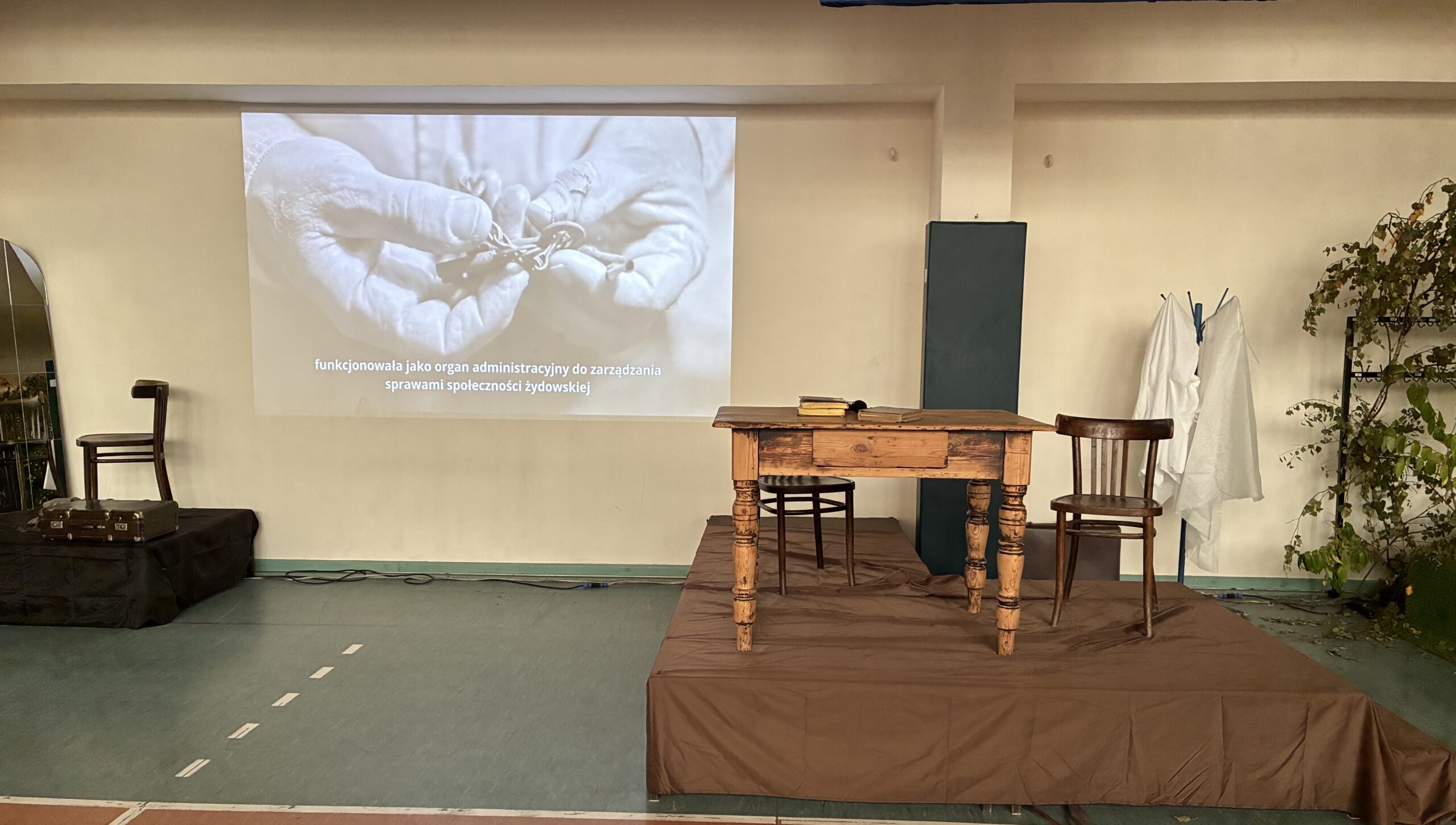
-
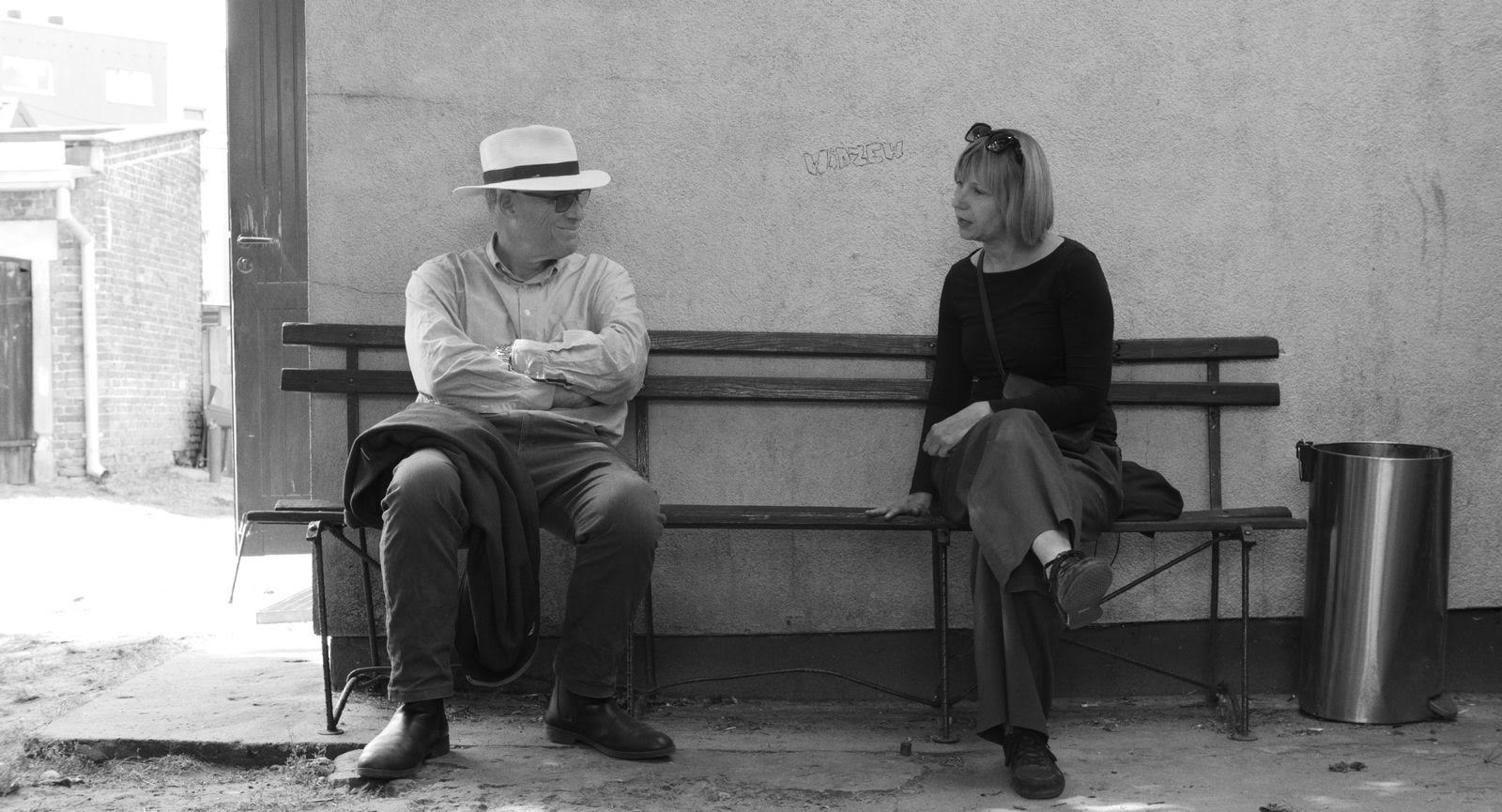
- Tony Bernard and Justyna Biernat
-
- Tony Bernard at the Fama Radio

Hi Justyna,
I wanted to contribute to help get the play into a digital recording so it can be shared.
Thanks for all your hard work in bringing Henry and Halina’s back to life.
Merry Christmas
Tony
Thank you as always!